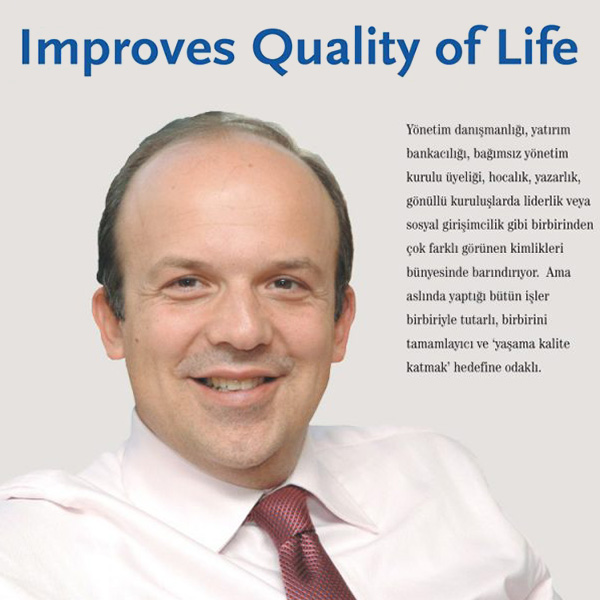
“Trust is the essence of good governance and foundation of sustainable development.”

Trust is the essence of good governance and foundation of sustainable development
Call for Good Governance at UN by Dr. Yılmaz Argüden
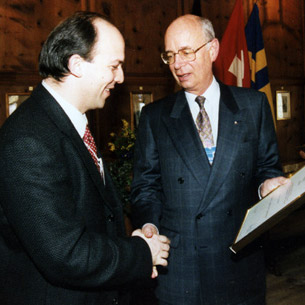
Selected by WEF as
“Global Leader for Tomorrow”
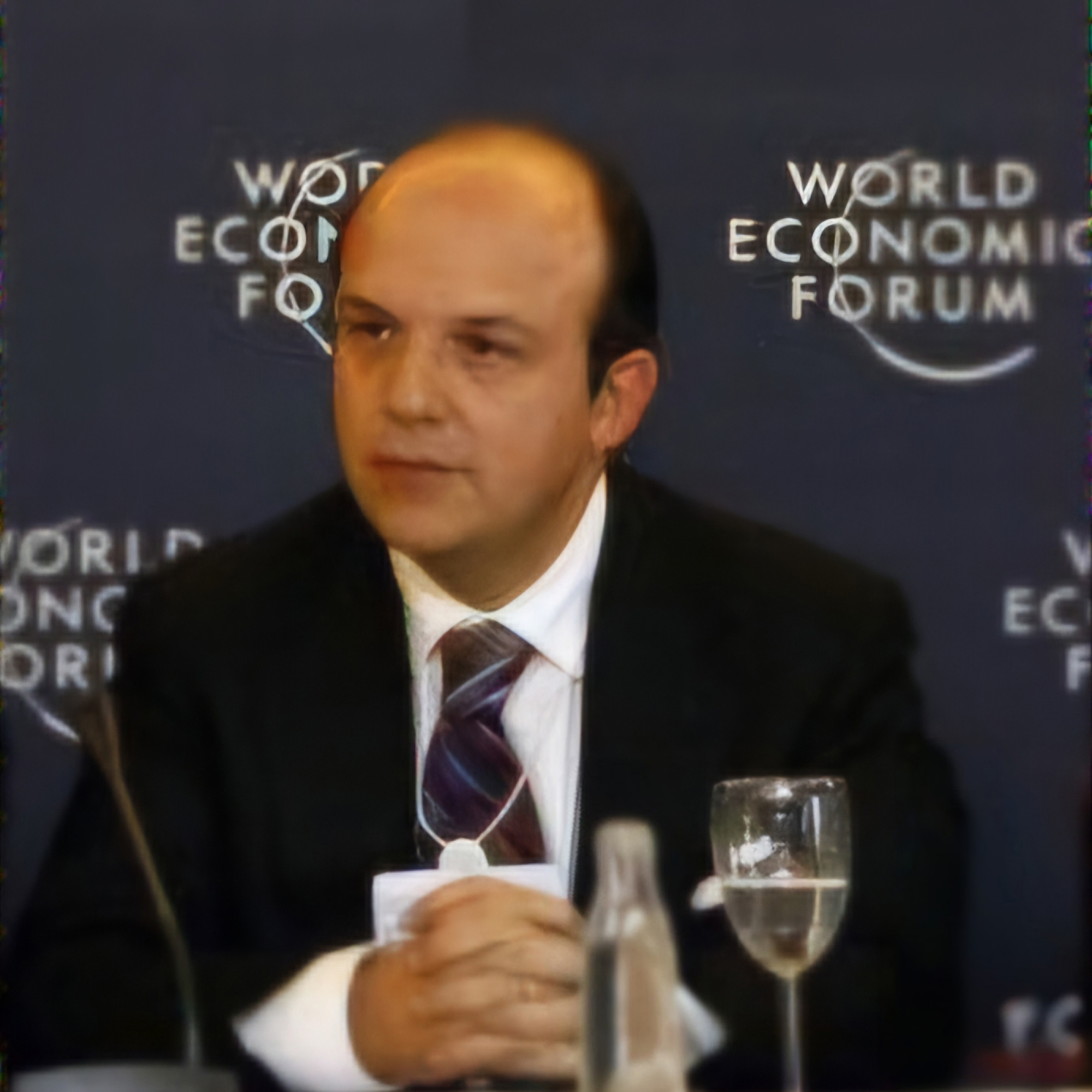
Dr. Argüden has been selected as one of the “100 Global Leaders for Tomorrow” by the World Economic Forum for his commitment to improve the management quality throughout the community. He is a member of the Professional Services Group Governors and also served on the Digital Divide Task Force of the World Economic Forum.
Global Leaders For Tomorrow
World Economic Forum (WEF) has brought the leaders of today and the leaders of future together in Davos. There are artists, politicians, executives, members of non-governmental organizations, journalists among the 100 young people chosen for the Global Leaders for Tomorrow (GLT) Program. Turkish people are also among those.
Cansen Basaran, Meltem Kurtsan, Yilmaz Argüden, Mehmet Öz… These are some of the names of the Global Leaders for Tomorrow. They were not chosen by us. They were nominees of other “leaders” and they were chosen among hundreds to participate in the World Economic Forum (WEF) meetings.
The most important leaders of politics, arts, economics and non-governmental organizations were again hosted by WEF in Davos, Switzerland, this year. WEF is bringing the leaders of today and the leaders of the future together under the same roof since 1993. Every year, 100 hundred young people are chosen from the areas of economics, politics, arts and NGOs for the Global Leaders for Tomorrow Program.
To be a nominee, the age limit is 40 and the person’s engagements have to do with something adding value to his/her institution, area of work, and to the society. People having contacts with WEF suggest persons they know with these qualifications. These people are interviewed during long WEF committee meetings. Under the light of these interviews hundreds of people are evaluated and elections are made. Taking male/female rates, countries and occupations into account, 100 hundreds people chosen throughout the world. These people are invited to WEF. They are welcome to attend the Forum meetings for two years and if they do active work, they can go on participating in the Forum for 5 years.
Cem Boyner, Boyner Holding General Manager, Ugur Bayar, Chairman of Privatization, Meltem Kurtsan, President of Kurtsan Ilaçlari, Cansen Basaran Symes, President of PricewaterhouseCoopers (PwC) Turkey, Dr. Yilmaz Argüden, the founder and partner of ARGE Danismanlik, Prof. Dr. Mehmet Öz, Director of Presbyterian Heart Transplantation Center Newyork-Columbia, have been among the Turkish GLTs till now. Till last year GLTs have only been observing the meetings. In 1999 groups have been formed to work on important projects concerning environment, health, technology, economics.
Dr. Yilmaz Argüden has been visiting Davos for 4 years. He has been elected for the GLT Program last year for the first time. He is now leading the group working on a project concerning education. The objective of the group is to make the scaling and comparison of all education systems possible, and to support the improvement of technological use in education.
Hürriyet İnsan Kaynakları, 13.02.2000
“Atom ant of our thought life.”
Gila Benmayor
“You are truly a
productivity miracle. “
Georg Kell

UN Global Compact
Global Chair of Local Networks
Dr. Argüden has been appointed to the Board of the United Nations Global Compact, the world’s highest public-private Board, Chaired by UN Secretary-General as a result of his election as the Chair of the Local Networks Advisory Group (LNAG). The LNAG represents over 100 National Networks of Global Compact signatories.
Local Networks Advisory Group was established last year to empower Local Networks with a greater say in the initiative, thereby maximizing the positive impact of the Global Compact’s global-local reach, knowledge, expertize, and dynamics.
The Local Networks Advisory Group (LNAG) consists of 7 members representing the Americas; Africa; Eastern Europe; MENA; South, Central and North Asia; South-East Asia and the Pacific; and Western Europe.
Dr. Yılmaz Argüden, the National Representative of Global Compact Türkiye, is a strategist and governance expert who has demonstrated commitment and leadership to improve the quality of life by improving the state of the world throughout his career. He has been serving as the Turkish National Representative of the Global Compact as well as the Representative of Eastern European Countries at the Local Networks Advisory Group. He has been instrumental in developing best in class examples for broadening the implementation of the Global Compact principles by innovative strategies such as: (i) Sectorial Deployment Strategy and (ii) Leveraging Natural Allies such as the media, banking sector and brand owners with broad value chains.
14.02.2014
“Atom ant of our thought life.”
Gila Benmayor
“You are truly a
productivity miracle. “
Georg Kell

IFC Corporate Governance
Advisory Group Member
Dr. Argüden, Chairman of ARGE Consulting and Rothschild – Turkiye, is selected to the Private Sector Advisory Group of the International Finance Corporation. Dr. Argüden said “Serving in this capacity to help improve governance is exciting. Improving the quality of governance is one of the best means of improving the quality of life throughout the globe.”
Global Corporate Governance Forum was founded in 2001 by the World Bank and the OECD to promote initiatives to raise corporate governance standards and practices using the OECD Principles of Corporate Governance as the basis for its work. The Private Sector Advisory Group of the International Finance Corporation is chaired by Peter Dey, and the members are leading global figures promoting corporate governance throughout the world such as Ira M. Millstein and Mervyn King.
Dr. Yılmaz Argüden is a leading strategist, advisor, and board member of major public and private companies, and NGOs. He is the Chairman of ARGE Consulting, a leading management consulting firm based in Istanbul; Chairman of Rothschild investment bank in Turkiye; and an Adjunct Prof. of Business Strategy at the Bosphorus University and the Koç University. He has served on more than 50 different boards in a number of different jurisdictions as chairman or member. He is currently serving on the governance committees of Coca Cola Icecek, Inmet Mining, Vestel, and Yazıcılar Holding boards.
He was selected as a Global Leader for Tomorrow by the World Economic Forum. He is also the National Representative of the Global Compact in Turkiye. He is a graduate of the Pardee RAND Graduate School, and an Eisenhower, Fulbright, and NATO Fellow. He has published books such as “Boardroom Secrets” and “ARGE Corporate Governance Model” and serves on the Advisory Council of the Corporate Governance Association of Turkiye (TKYD).
Founded in year 2003, The Corporate Governance Association of Turkiye is a non-profit organization established for disseminating best practices of corporate governance, through developing the culture and assisting the implementation. Over 500 directors and top level executives meet in TKYD to discuss and shape the future of governance in the country.
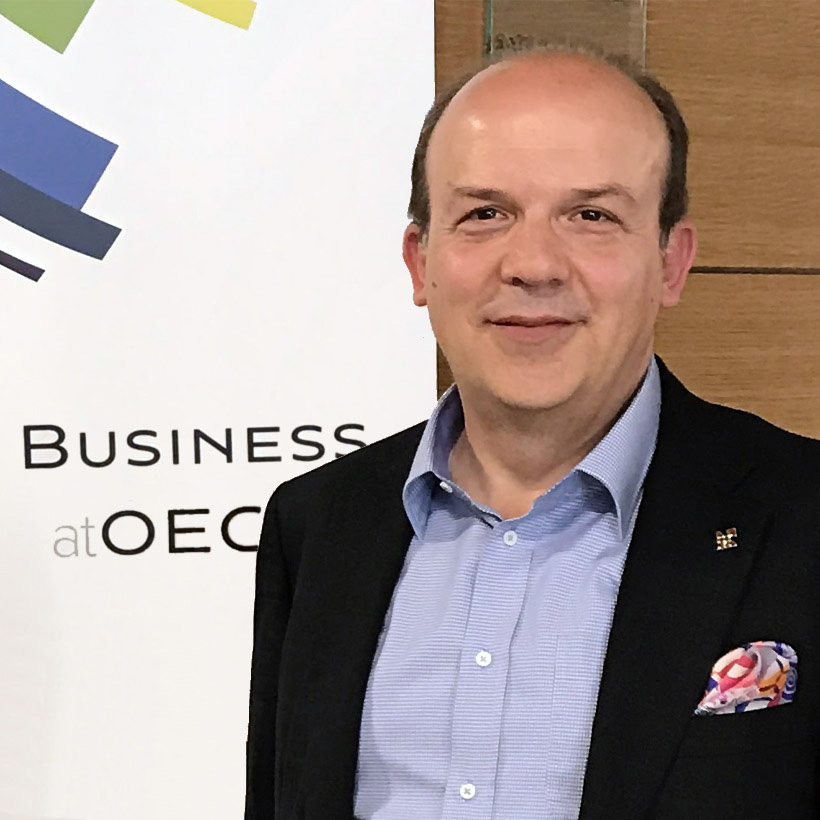
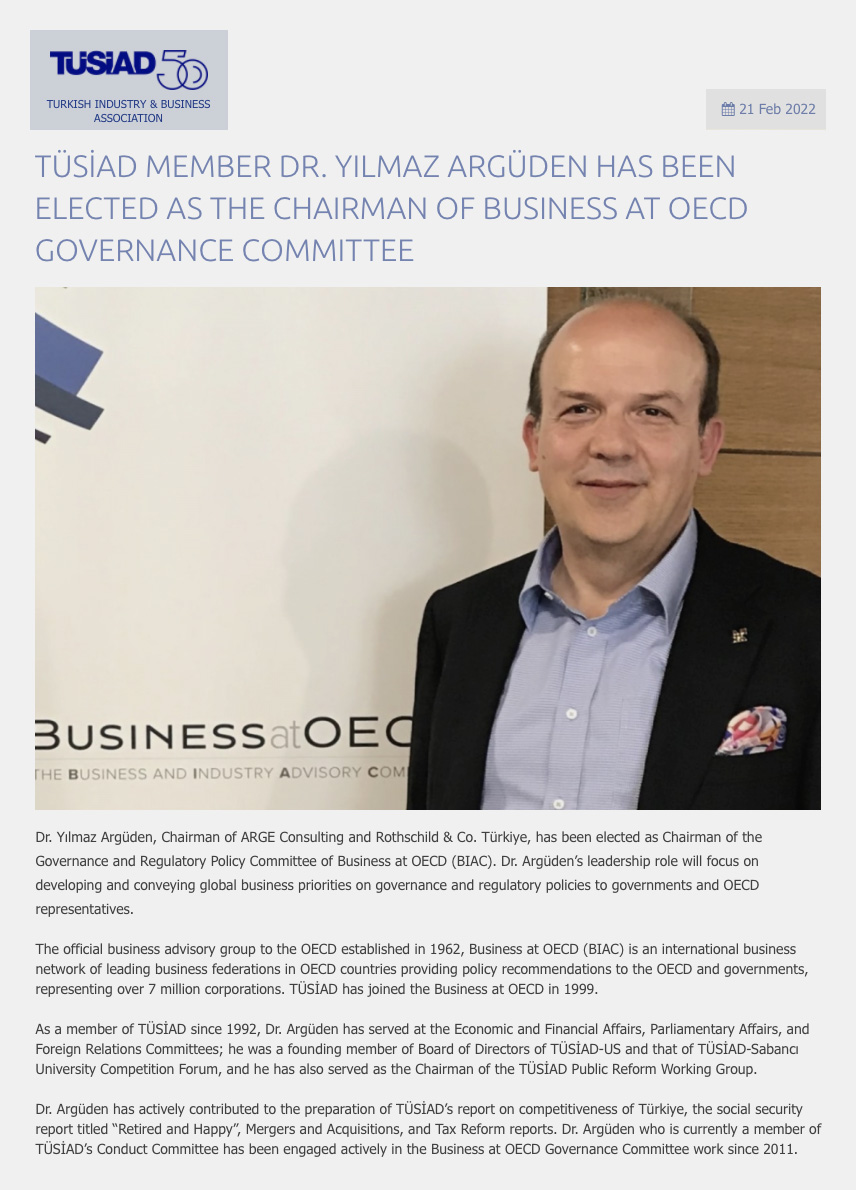
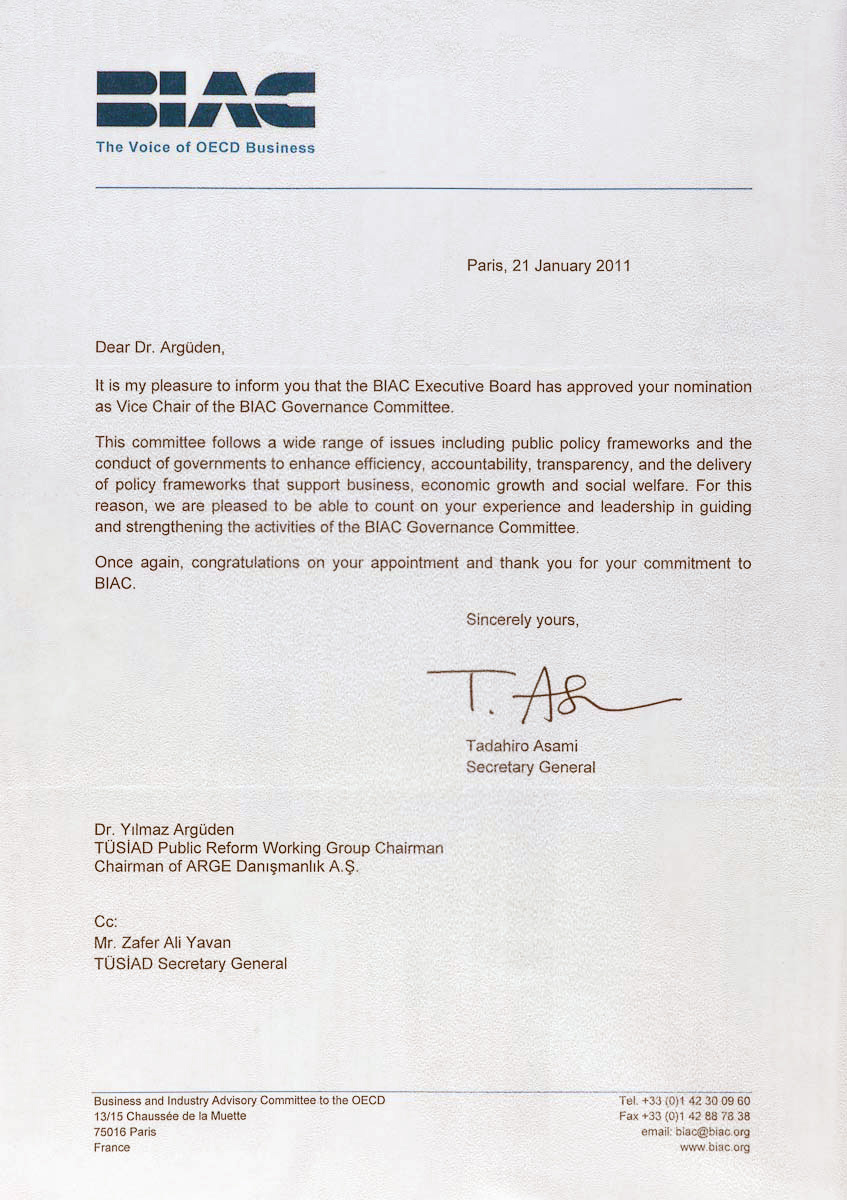
Business at OECD,
Chair of Governance Committee
Served as the Chairman of the Governance Committee of the Business and Industry Advisory Committee (BIAC) to the OECD. Contributed to the OECD guidelines for good governance.

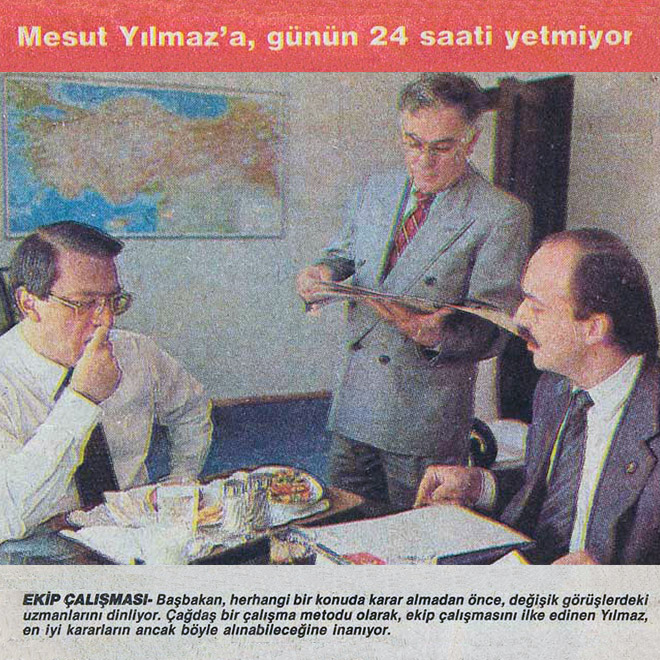
Chief Economic Advisor
to the Prime Minister
Dr. Argüden served as the Chief Economic Advisor to the Prime Minister Mesut Yilmaz in 1991.
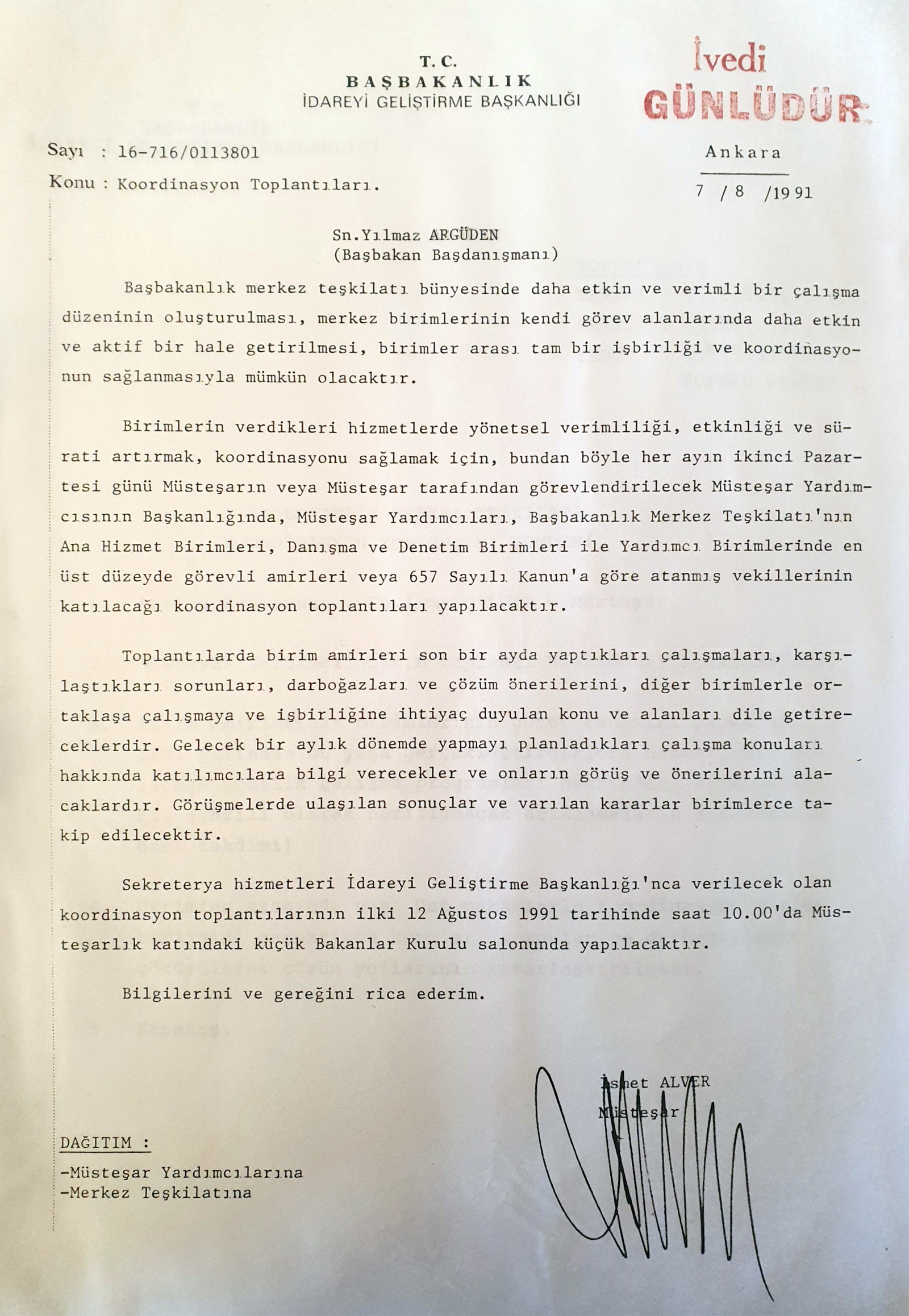

State Planning Organization
Chairman, Advisory Council
He chaired the State Planning Organization’s (SPO) ‘Development Strategies Advisory Council’, comprising former economy and finance ministers, secretaries of treasury and State Planning Organization, academicians, representatives of business world and professionals with experience in international organizations such as OECD, to help define Türkiye’s vision for 2020.
State Planning Organization Development Strategies Advisory Council (2006)
1- Dr. Yılmaz ARGÜDEN (Chairman)
2- Dr. Ahmet TIKTIK (Undersecretary of SPO)
3- Yıldırım AKTÜRK
4- Cansen BAŞARAN
5- Rüştü BOZKURT
6- Dr. Ege CANSEN
7- Dr. Rauf GÖNENÇ
8- Prof. Dr. Seyfettin GÜRSEL
9- Hüsamettin KAVİ
10- Faik ÖZTRAK
11- Dr. Ekrem PAKDEMİRLİ
12- Prof. Dr. Erol TAYMAZ
13- Prof. Dr. İlhan TEKELİ
14- Prof. Dr. İnsan TUNALI
15- Dr. Güngör URAS
16- Salim USLU
17- Uğur YÜCE
18- Zafer YÜKSELER

Leadership of
the Privatization Program
At his Government’s invitation, Dr. Argüden returned to Turkey in 1988 to lead the Privatization Program until 1990. It was during his tenure that the first foreign direct investments were attracted to the Turkish Privatization program, and the public offering of the Government’s shares in industrial enterprises helped the Istanbul Stock Exchange to flourish. In addition, the Turkish buyers improved the competitiveness of the privatized companies, and the Turkish investment banking industry was established.
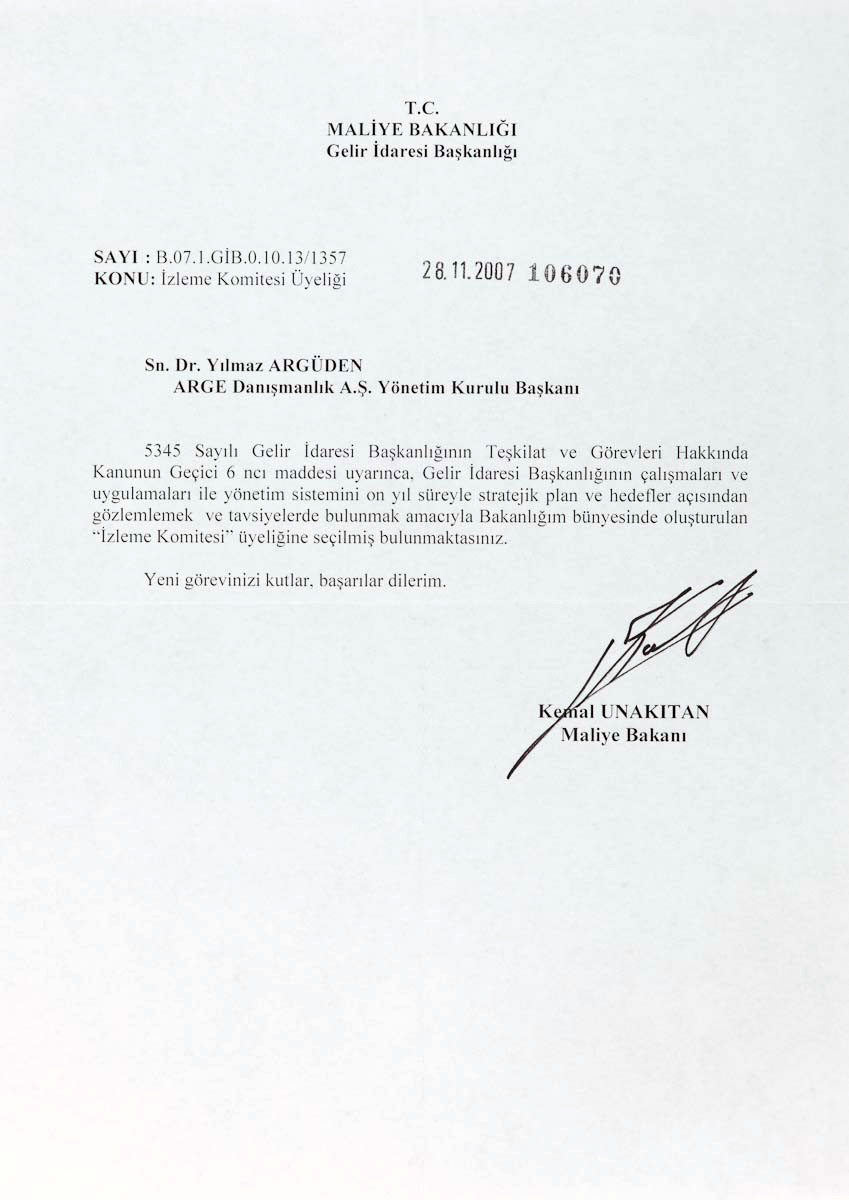
Turkish Tax Authority
Oversight Committee Member
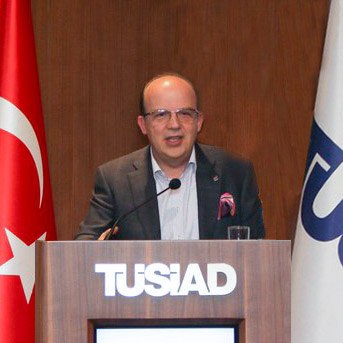
As the Chairman of TÜSİAD’s Public Reform Working Group, in collaboration with the Tax Council, Dr. Argüden led the efforts to publish the “Re-engineering of Turkish Revenue Administration” report. Later, he was selected as a member of the Advisory Council of the Revenue Administration in order to provide oversight and advice to the Ministry of Finance’s strategic objectives.

Key Insights by
Trusted Advisor

Exclusive Trusted Magazine Q&A with Dr. Yılmaz ARGÜDEN, Founder & Chairman of ARGE Consulting
You have been selected by the World Economic Forum as one of the 100 Global Leaders for Tomorrow, before you were 40. Could you please describe your career path before this achievement?
I have always been a very disciplined person who has adopted the motto of
“Sell not virtue to purchase wealth, nor liberty to purchase power.
Lose no time. Be always employed in something useful”
Benjamin Franklin
As a result, I have become the top student academically in all the schools I have graduated from. At the same time, I have been both a playmaker of high school and university basketball teams that won the National Championships as well as always striving to create value for my social network, country, and humanity through volunteer work every week. For example, the first SportsFest, an international mini-university Olympics to help improve understanding between European Universities was organized while I was the President of the Sports Committee at the Boğaziçi University.
I have started my career at the newly established R&D Center of the largest Turkish conglomerate, Koç Holding, and worked at the RAND Corporation as well as at the World Bank, before accepting my government’s invitation to lead the Turkish privatization program. Then, I have served as the Chief Economic Advisor to the Prime Minister before establishing ARGE Consulting when I was 33, which since then has become a globally recognized Turkish management consulting firm that has served as a B20 Knowledge Partner, EFQM Certified Advisory Organization, International Integrated Reporting Council’s Training Institution, first Turkish signatory of UN Global Compact, and recognized at the European Parliament with its CSR program for ‘Shaping the Future’.
Also, I have started to serve as a board member of major companies such as Petkim and Sümerbank before I was 30 and as the Chairman of the largest Turkish steel company Erdemir during my late 30’s. In line with my commitment to improve quality of life throughout the community, during this period in my career, I have also been among the founders of Turkish Education Volunteers Foundation (TEGV), Turkish Economic and Social Studies Foundation (TESEV), Corporate Volunteers Association; as well as having served as the Chair of Boğaziçi University Alumni Association (BÜMED) and Turkish Quality Association where I had the honor of leading the establishment of the National Quality Movement.
Since then, you have assumed numerous international leadership roles. What are the most important success factors for your leadership?
I am a curious person who loves to learn, share, and teach others the ways and means of creating and delivering value. Therefore, my top motivation is not to assume a role to be something, but to create value in every endeavor I get involved with. First step in creating value is to have a vision, then to make a plan, identify appropriate stakeholders, convince them to act together, and implement the plan with discipline. Keys to disciplined and sustainable implementation is to align the incentives of all stakeholders with the vision and once results begin to appear, to promote good examples and write about the methodology as well as about the good examples, to help motivate others and disseminate the benefits.
Let me share a few examples to be more concrete. In 1999 at Davos, then Secretary General of the UN, Kofi Annan, gave a moving speech to make a call for corporate, NGO, and academic leaders to take responsibility along with the governments for a more sustainable future. Next year, UN Global Compact was launched for this purpose. Due to my experience in all these sectors, this call has motivated me to become the first Turkish signatory of the UN Global Compact both as ARGE Consulting as well as KalDer, an NGO I was chairing at that time. ‘Walking the talk’ and becoming an example is one of the best ways of convincing others to join a movement. Therefore, later I became the chair of the Turkish Network of UN Global Compact and developed a number of innovative approaches such as Sectoral Deployment Strategy and Aligning Incentives with Natural Allies Strategy which worked very well to bring the best Local Network Award to the Turkish Network. Later, I was elected as the Global Chair of Local Networks and had the honor of serving on the Board of UN Global Compact.
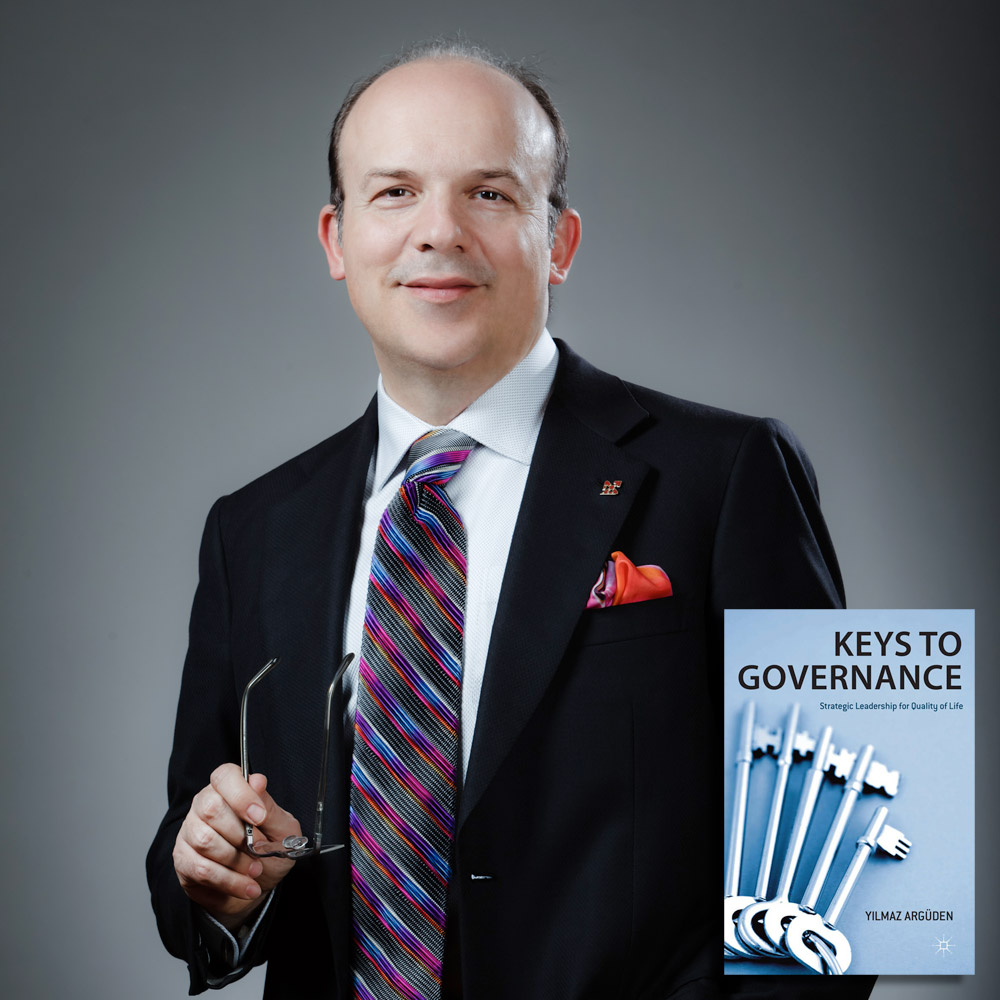
Having assumed responsibilities at the public sector, private sector, and NGOs throughout my career, my awareness of the importance of good governance was greatly enhanced. Therefore, I have published numerous books and articles to share the how and why of good governance, notably “Boardroom Secrets” and Keys to Governance” and articles about diversity and measuring quality of governance at prestigious publications such as HBR and INSEAD Knowledge. Therefore, these efforts led me to be elected as a member of IFC Corporate Governance Advisory Group, as well as serving as Vice-Chair of Governance Committee of Business at OECD, and as B20 Knowledge Partner on Governance and Sustainability.
You have established a non-profit foundation, Argüden Governance Academy, to promote good governance in all kinds of institutions. What was your motivation?
I have worked with over 500 institutions as a management consultant, served on over 70 boards as a non-executive member, founded and/or led numerous NGOs as a volunteer with social conscience, and assumed many public sector leadership roles. These experiences led me to appreciate the importance of “good governance for the sustainable success of institutions”.
There are two basic reasons for forming institutions: (i) more effective utilization of resources and (ii) better risk management. Yet if the institutions are not trusted by their stakeholders, they cannot achieve these goals economically. Governance improves quality of management and trust of stakeholders. As lack of trust is like a high coefficient of friction; everything you do just costs more. Good governance is a culture and a climate in which trust for institutions flourish. We founded Argüden Governance Academy to improve quality of life and sustainability of the future by improving quality of governance. We target not only leaders of private sector companies, but also NGOs, public institutions, and international organizations; as well as individuals of all ages, from 7 to 77. We develop education programs such as “Governance for Kids” and “GOV101” for youth leaders as well as public, private and NGO leaders. We also develop unique methodologies to measure effectiveness of governance, as per the dictum “You cannot improve what you don’t measure.” Identifying and promoting good examples help speed up global learning from peers. Therefore, our research projects such as “Municipality Governance Scorecard” & “Sustainability Governance Scorecard” are widely recognized as impact-research for public good.
Trusted Magazine
January 18, 2022
Trust is the essence of good governance and foundation of sustainable development
Good Governance for
Quality of Life Interview
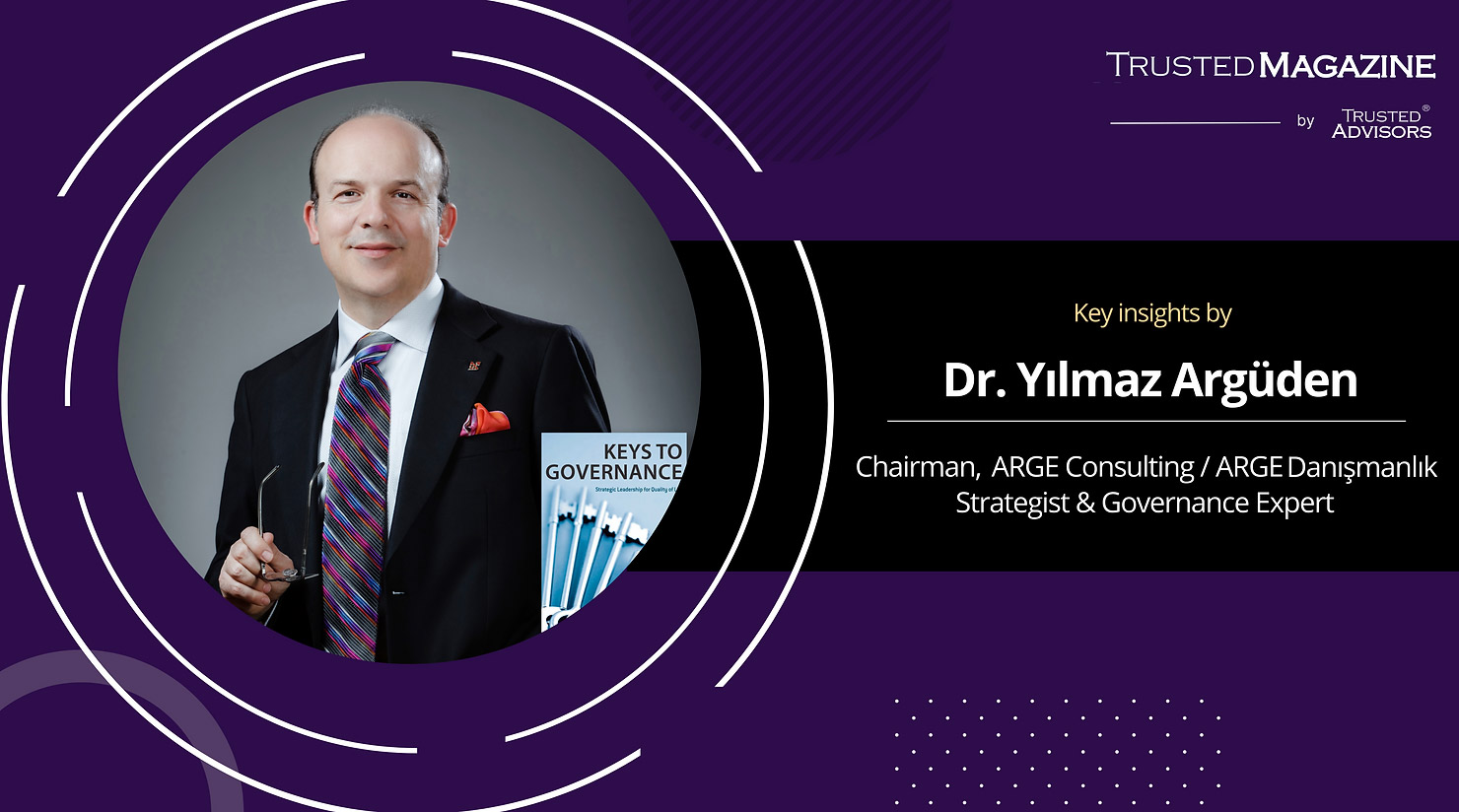
Exclusive Trusted Magazine Q&A with Dr. Yılmaz Argüden – Strategist & Governance Expert, Chairman, ARGE Consulting / ARGE Danışmanlık
Your “Keys to Governance” book was acclaimed by notable leaders including, a Nobel Peace Prize laureate, a Head of State, CEOs of major think-tanks, global companies, and institutions, as well as Deans of INSEAD and Harvard Business School. John H. Mc Arthur, Dean Emeritus of HBS, said that it is “A tour de force of a kind that comes along only rarely by a well-known and widely respected modern day renaissance leader and thinker.” What are the keys to good governance, and how can organizations embed good governance into their culture and operations?
“Good governance protects the humanity from the human beings.”
There are two basic reasons why people establish institutions: (i) more effective utilization of resources and (ii) better risk management to create sustainable value. Yet if the institutions are not trusted by their stakeholders, they cannot achieve these goals. Good governance improves quality of management and trust of stakeholders.
There are two important roles for governance: providing direction and oversight. Providing oversight is critical as per Lord Acton’s famous quote “Power corrupts, and absolute power corrupts absolutely.” When we delegate the power to make decisions for the institutions to individuals, either through elections or appointments, institutions become prone to potential deficiencies of those people, such as short-termism, ignoring externalities, over-confidence, selfishness, and even agency problems.
Good governance helps ensure separation of powers of providing direction and oversight from those of management decisions. As such it is an insurance policy for sustainability of good management as well as better strategic decision-making and management of risks.
Value creation is a function of strategic choices as well as effective utilization of different resources including financial, intellectual, manufactured, natural, human, and social and relationship capitals. Creating an effective value proposition requires successful strategic direction, efficient and effective utilization of resources, and ability to invest and innovate continuously. Independent review of strategic options developed by the management through a separate governance body improves the probability of success.
Good governance is about creating a climate where a culture for building value and trust is nourished. Good governance must ensure that the organization has the right people, processes, information, and values to create value and build trust.
In a nutshell, good governance is about sustainability of success by helping broaden our perspectives and ensuring checks and balances into our institutional decision-making processes.
Your 2015 speech at the UN General Assembly Hall referred to “Trust” as the core value that all institutions should embrace. WEF’s Davos theme in 2024 was “Rebuilding Trust” and a couple of years ago the OECD initiated a “Building Trust and Reinforcing Democracy Initiative”. Why is trust so important and how can we build trust?
“Trust is the essence of good governance and foundation of sustainable development.”
The essential principle driving modern human rights and democracy is this: people should have a say in shaping their own future and be able to contribute to the local, national, or global decision-making processes that influence their lives.
“Good governance” signifies a transformation from a type of relationship where a limited group of people have the ultimate authority to rule others to a set of relationships where mutual, inclusive engagement takes place to make desirable choices for all stakeholders. It involves the mechanisms, processes, and institutions that individuals, corporations, groups, and societies utilize in decision-making and implementation, in expressing their interest and in fulfilling their obligations, as well as in solving conflicts. In this context, governance points out to the nature of mutual interaction among social actors as well as between social actors and public administration, and it contains the meaning of assuming responsibility to help others realize their potential for improving the quality of life.
Good governance is much more than just the structure, processes, and rules of decision making and controls. Good governance is a culture and a climate of Consistency (predictability), Responsibility, Accountability, Fairness, Transparency, and Effectiveness that is Deployed (inclusiveness and subsidiarity) throughout the organization and society (the “CRAFTED” principles of governance.) Embracing them reinforces social trust for all kinds of institutions, public, private, non-profit, local, national, or global.
For truly effective results, management decisions should be data-informed and consistent with the purpose of the institution to ensure coherence and alignment with the rules and regulations and stakeholder expectations. Care should be taken to be inclusive and fair in participation, in decision making, and in implementation. Any institution adopting good governance principles has to act responsibly not only in identifying the priorities and mobilizing the resources, but also in protecting the physical, economic, environmental, and social interests of the stakeholders and future generations.
Only an institution which displays accountability throughout all phases of value creation can build a relationship of trust with its stakeholders. This can only be attained if information related to each step is shared in a data-based and transparent manner with the stakeholders. Engaging the stakeholders in an inclusive manner also helps effective implementation of the decisions and minimizes the enforcement and compliance costs.
Inclusive and meaningful stakeholder engagement in decision-making processes ensures greater representation and participation, aligns the incentives for the common purpose, produce fair and effective decisions, which in turn reinforces the trust between the institution and its stakeholders.
Thus, the essence of good governance is ensuring trustworthy relations between the institution and its stakeholders. If we are going to build trust and reinforce democracy, good governance is the recipe.
2024 is the 10th anniversary of Argüden Governance Academy that conducts impact research, unique education programs, advocacy programs to promote good governance, as well as pioneering Integrated Reporting among the NGOs and the public sector. The Academy promotes meaningful, inclusive stakeholder engagement as a critical aspect of good governance. How should organizations approach stakeholder engagement to ensure inclusivity and transparency?
“Stakeholder engagement is not just an action, but a process…”
In the current global context, preserving and promoting the democratic system is of utmost importance to improve the quality of life. Building trust for government institutions is the key to reinforcing democracy. Trust for democracy could only be built by adopting good governance with a (i) whole of society, (ii) whole of government, and (iii) whole the policy cycle approach that focuses on (a) informed, inclusive stakeholder engagement, (b) evidence-based decision making supported by ex-ante and ex-post impact analysis, and (c) integrated thinking to help consider material impacts to different stakeholders and to support continuous learning.
Sustainability of success can only be achieved by adopting a long-term perspective, considering the interests of all stakeholders in decision-making, and developing a continuous ability to invest and innovate. Sustainable success can be achieved through integrated thinking, effective implementation, and proper communication of value.
Therefore, stakeholder engagement needs to be inclusive and meaningful, and should be conducted not only at decision stages, but also at service design stages (design thinking), and in providing feedback. Hence, quality of participation, quality of information shared with the stakeholders, as well as the quality of engagement processes are critically important.
Argüden Governance Academy conducts impact research such as Sustainability Governance Scorecard©, Municipality Governance Scorecard©, and develops Local Development Guides to improve peer learning, globally. Our Scorecard methodology aims to measure the quality of participation, information shared, and processes, as well as aiming to identify and promote good examples to speed up peer learning, based on publicly available information.
The Academy also conducts good governance advocacy programs such as leading the process of awarding the European Label of Governance Excellence (ELoGE) and School on Participatory Democracy, in collaboration with international organizations such as the Council of Europe.
The Academy not only promotes adoption of Integrated Reporting in the public sector and NGOs, alongside the private sector, but also ‘walks the talk’ and has been the first Turkish institution to adopt Integrated Reporting and a global pioneer among the NGOs by reporting its activities as an Integrated Report since its founding.
You have assumed numerous international leadership roles such as being elected as the Chairman of UN Global Compact National Networks and the Chairman of the Governance Committee of Business at OECD. What are the new emerging governance challenges and how can organizations prepare for them?
“Good governance is building a culture of trust and protecting the climate in which such a culture nourishes; regarding the other, as you regard yourself.”
While change and challenge are continuous phenomena and one would need to write a book on this subject to address it properly, I would like to list four important areas: (i) Artificial intelligence, (ii) Misinformation and disinformation, (iii) Changing our perspectives on sustainability from an adjunct activity and to incorporate it into our strategic and daily decisions, and (iv) Understanding the importance of transformational governance for sustainable development.
Artificial intelligence is a transformative force that has significant impacts on all aspects of life from the economy to politics, to culture, and social life. Patterns of life, work, and sharing relationships are undergoing radical changes, those who are unable to catch up with this revolution are left outside the system at an increased pace. This development presents the danger of an alienated two-tier society in contrast to the exciting prospect of efficient governance patterns based on the principles of democracy and equity.
Unless we can provide an equitable distribution of knowledge and means of communication among the people, we cannot lead humanity to a world free of discrimination, prejudice, and animosity. This requires not only a reform in what and how we teach our children, but also a rethinking of the global priorities to make education of the masses the top priority.
The spread of mis- and dis-information poses a fundamental threat to the free and fact-based exchange of information that underpins our democracies. Active transparency and accountability, provision of trusted information, and, once again, education are keys to addressing this issue.
A sustainable global economy combines long-term profitability with ethical behavior, social justice, and environmental care. When we look at the state of the world today – climate change, deteriorating water resources, plastic waste, income inequality, gender inequality, and corruption – it is evident that institutions need to assume responsibility for sustainable development and act.
For corporations to truly contribute to a sustainable future, we need to widen the lens through which we view sustainability. Sustainability requires decision-making processes incorporating all potential impacts of a company, incorporating the positive and negative externalities into its decision-making processes, and avoiding short-sightedness and selfishness. Referring to sustainability issues G(EES), prioritizing the Governance of sustainability (Economic, Environmental, and Social) impacts, is a more appropriate acronym than ESG.
Sustainable success requires adoption of transformational governance. Such an understanding of governance requires broadening our perspectives for decision making in four dimensions: time-frame (from short term to long term), place (from where we operate to all the places that our activities make a material impact), capitals (not only financial but also intellectual, manufactured, natural, human, and social and relationship capitals), and considering all material impacts not only to ourselves but also to our stakeholders (direct and indirect), as well as assuming responsibility to build such a culture of trust and protect the climate for its nourishment.
Trusted Magazine, April 24, 2024
Global Citizen Proposes
a Global Education Initiative
The mortgage crises that started in the US in 2008 soon turned into a global crisis. This event had a more drastic effect on the citizens of different countries throughout the world than the fall of Berlin Wall or the terrorist event that brought down the World Trade Center in 2001. Remembering that the 1929 economic crises was the culprit of World War II, one could easily begin to appreciate the potential ramifications of the current crises.
The economic crisis increased the awareness of Americans to the limitations of unilateralism, even by a superpower such as the US. The crisis has shown the Russians the fragility of depending on ever increasing commodity, oil, and gas prices to finance the new rising of Russia. It has also clarified the dependence of Chinese miracle to global economic growth and the level of integration of economies across the Atlantic.
The impact of global developments on our daily lives is certainly not limited to the impact of the economic crises. Excessive energy consumption in some region of the world can lead to floods in some other region due to global heating. A disease neglected because it is rooted far in Africa might become a dreadful epidemic in America. A terrorist organization backed for hitting other targets may turn its weapons to its very supporter. Humiliation and isolation of those with unconventional beliefs and opinions can result in reactions that threaten global peace. The solution to such problems and responsible utilization of natural resources lie only in the solidarity of all humankind. Consequently, our governance systems and attitudes should also gain a global dimension as our daily life increasingly does so.
As the organized crime networks gain global dimensions in traffic of drugs, arms, humans, and organs, the mankind is coming under threat of chemical, biological, and nuclear mass destruction weapons. In the future, mankind may have to protect itself from spatial threats. Regardless of their mightiness individual governments will be unable to deal with global threats, alone. Therefore, to be able to deal with global threats, we need to organize on a global scale as well.
If a management guru coming from a different planet were consulted on how to establish a well working global governance system, the recommendation would certainly not be the current structure. The fact that jurisdictions for key governance issues such as elections, taxation, military organizations are all based on national boundaries makes it difficult to organize and mobilize resources on a global scale.
It would be naïve to suggest dismantling national structures and moving towards a global government. Yet, longer perspective and more collaboration are needed to address global issues. Forward-looking politicians need the support of the public in such a collaborative approach.
Yet, as most democratic governments are elected for about four-year terms, the average perspective of an elected national leader is about two years, and this makes collaboration for long term goals difficult.
Global solutions require consensual delegation of sovereignty, in certain areas, to global institutions with adequate resources. Raising adequate resources for global institutions, needs appropriate power-sharing arrangements. For example, it is difficult to justify the lack of veto power for India at the UN when France has one, regardless of which criteria is utilized: number of citizens, economic might, or being a nuclear power.
In thinking about global governance mechanisms, one could possibly learn from institutions with longevity. Religions have generally survived for much longer periods than even the mightiest empires. One of the reasons for this is that religions focus on sustainability of communities.
One of the common principles of religions is to bring a perspective longer than one’s own lifetime (e.g. hell and heaven or reincarnation). As the world gets smaller and more interconnected, we need to understand that sustainability requires a perspective longer than individual’s life and that others’ problems are also our own. If we fail to understand these, we will be endangering our own future.
Many religions ask for almsgiving to help others who are in need. If we take our global responsibilities seriously, we should organize our global institutions in such a way that the rich countries contribute significantly to ensure that the global institutions would have the means to deal with the problems of the poor. In a way, national almsgiving by the developed countries for the poor countries may be a more effective way to ensure global sustainability than ever increasing defense budgets.
Common teaching of religions is focused on building sustainable communities. As the world gets smaller and more interconnected, we need to address the global problems jointly and apply good governance principles to global institutions.
The real legitimacy for global institutions will be achieved if we can establish inclusive decision making and power sharing process for global institutions. The essential principle driving modern human rights and democracy is this: People should have a say in shaping their own future and be able to contribute in the global decision-making processes that influence their lives.
An essential ingredient to participative democracy and good governance is educated people. However, curricula of many national education systems focus on nation building, with insufficient emphasis on global citizenship.
If we could utilize the sensitivity that the global crises have raised to mobilize the resources to initiate a Global Education Initiative, it would be a great step towards forming the basis of sustainable global governance.
Such an initiative would help people understand their mutual dependence, rather than seeing neighbors and other foreigners as scapegoats for local problems. Living together requires sharing power — whether in the family, in the village, in the city, in the nation, or in the world.
In short, global issues can only be handled by global institutions with inclusive governance mechanisms. This can only be achieved through a Global Education Initiative to help the masses reach a level of wisdom where we would all open our eyes and hearts to our mutual interdependencies and “regard others, as we regard ourselves.”
Dr. Yılmaz ARGÜDEN
Dr. Yılmaz Argüden, is the Chairman of ARGE Consulting and investment bank Rothschild in Türkiye; an author, a columnist, and an Adj. Prof. of strategy at the Bogazici and Koç Universities. He is graduate of The Pardee RAND Graduate School and the Founder of non-profit Argüden Governance Academy. He was selected as a “Global Leader for Tomorrow” by the World Economic Forum.

Modern Day Renaissance Thinker and Leader
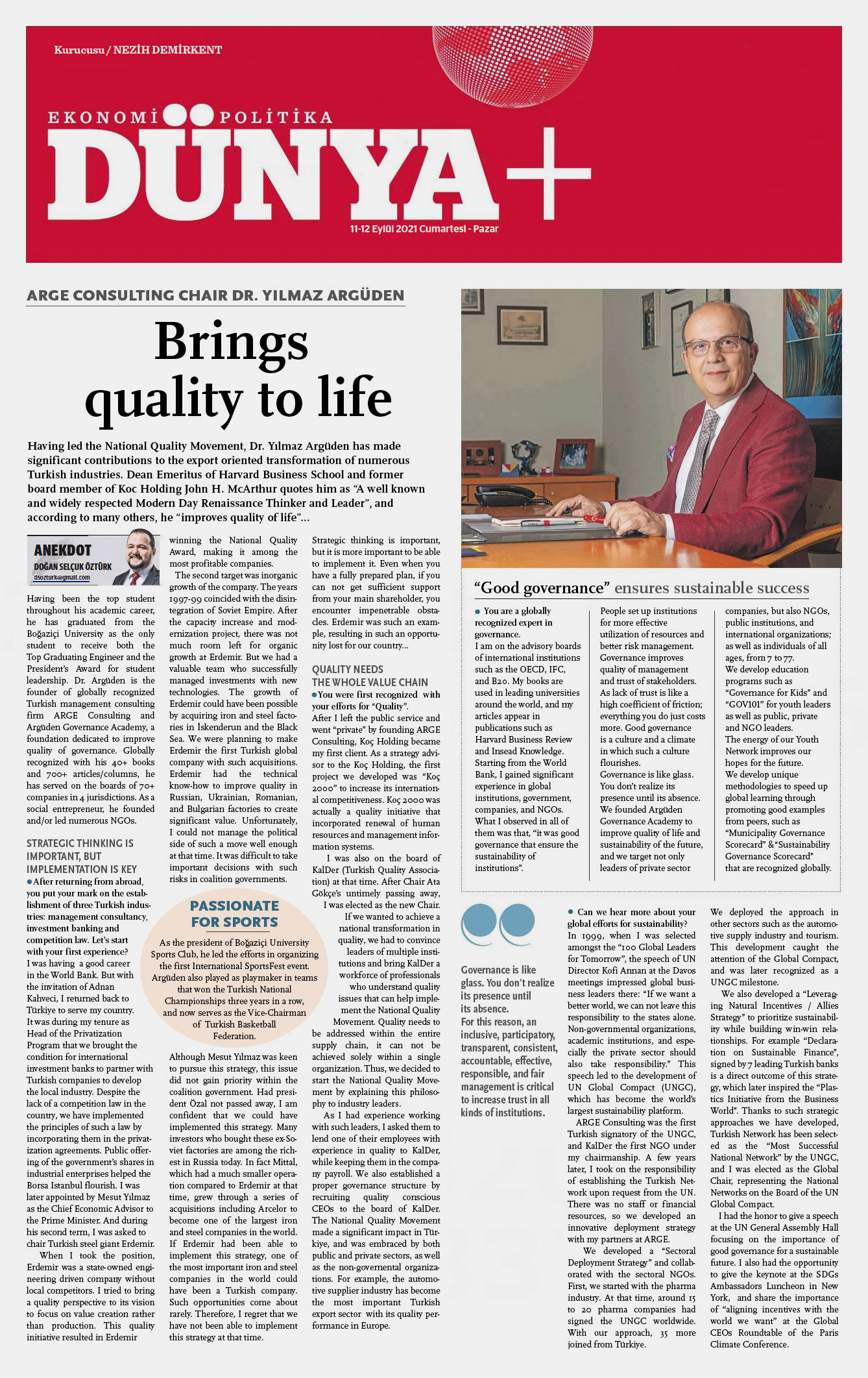

Türkiye: A Country to Live,
Learn, and Innovate
VIEW – Dr. Yılmaz Argüden evaluated the decision taken regarding the use of the original word in Turkish “Türkiye” as a brand in export products, all kinds of activities, and correspondence, for the AA Analysis Desk.
***
Information and communication technologies develop and their influence spreads rapidly. As a result, a selective perception occurs in people exposed to information bombardment. All kinds of products in the market compete with many products outside of their own category. The key for winning the competition game and gaining market share is to increase the “mind share”. In order to attract people’s attention, there is now also a need for a “mind share” associated with the country of origin. This perception value is as effective as the brand value in the products offered to the market by the countries. For this very reason, the country brand is of critical importance.
Growth rate of Turkish exports is higher than the economic growth rate. Therefore, the share and role of the Turkish economy in the global economy is increasing. However, the added value created by our country does not increase at the same rate. The brand value of countries can also influence their value in the international market. This in turn helps increase the level of well-being and quality of life.
It is necessary to see the brand not only as a word or a promotional topic, but as part of a well thought out strategy. Whichever goal we want to achieve, its presentation in that context, branding is key for forming perceptions. You have to think about positioning. Türkiye needs a conceptual approach to position it as a brand.
Importance of brand value
Brand value of countries also influence the brand value of the products they export. Country brand value also affects people’s demands for the product. The added value that countries with high brand value derive from their exports is also high. For example, Germany comes to mind in engineering products. American brands are gaining popularity in technological products. Countries such as Japan and Korea are also making important breakthroughs in this regard. When we say economic goods, China comes to mind. Therefore, it is possible to say that the goods of each country are perceived differently in the world market. These perceptions also affect the economies of countries. Therefore, there is a meaning to country of origin. If Türkiye’s brand value is higher and it can increase the price of the products it sells even by five percent, it can create an added value of 10 billion dollars every year. Therefore, Türkiye’s brand value is an important tool in increasing both exports and welfare.
The share and role of the Turkish economy in the global economy is also increasing. However, the added value created by our exports does not increase at the same rate. The brand value of countries influences the value of their exports in the international market. This helps to increase the level of well-being and quality of life in their countries.
‘Türkiye’ brand
It seems that the perception of Türkiye abroad is far from reflecting the facts. The most important indicator of this is that more than 95 percent of the people who come to our country for the first time leave the country positively surprised and happy. This means that there are serious differences between what people expect before they come and what they see. In short Türkiye is not a well promoted country. There is no exciting perception in the world public about Turkish companies, Turkish products or services offered. There is a perception that falls far behind the reality…
Words affect thoughts, thoughts affect feelings and actions. Although the brand value is not only formed by the perceptions associated with the related word, it was also important to prevent the negative perception of the expression “Turkey” in English, the most spoken language in the world, from reflecting negatively on our country brand. In this context, the Presidential Decree dated 4 December 2021 and numbered 31679 regarding the use of only “Türkiye” in the promotion of our country and in the international arena in order to improve brand perception was an important first step.
On the other hand, we must not forget that serious effort is required to implement this usage consistently everywhere. For example, although Istanbul was under Turkish rule for centuries, “Constantinople” was utilized particularly by the international community, which means “Constantine’s City”. On the other hand, Gazi Mustafa Kemal Atatürk changed the name of the city to Istanbul, and as of March 28, 1930, he made it clear that letters that did not come with the name “Istanbul” would not be accepted and ensured that the city’s name was used as “Istanbul” globally. For this reason, it is very important to emphasize the use of our country’s name as “Republic of Türkiye” in English as stated in the Presidential Decree, not only in the use of “Made in Türkiye”, but in all official communications and in every language.
If Türkiye’s brand value is higher and it can increase the price of the products it sells even by five percent, it can create an added value of 10 billion dollars every year. Therefore, Türkiye’s brand value is an important tool in increasing both exports and welfare.
What should the conceptual framework be like?
It is necessary to see the brand not only as a word or a promotional topic, but also as part of the strategy. Whatever goal we want to achieve, we need to think about promotion, branding and positioning in that context. Türkiye needs a conceptual approach to position it as a brand. While developing this conceptual approach, it is necessary to pay attention to some principles. First of all, as Mevlana said, “Either seem as you are, be as you seem”. In other words, if we try to put an identity that incorporates values that do not exist in Türkiye, we will not be successful. So, we have to build the Turkish brand on some really existing values. Next; Türkiye is truly a versatile country. It is not possible to introduce every aspect of Türkiye. We have to choose and focus on them. While making this choice, we should prioritize those who have the potential to create added value for Türkiye. Finally, the aspects we have chosen must have features that can easily distinguish Türkiye from other countries. A topic that has not yet been owned by others make the task of building the brand easier. For example, we can position Türkiye as a country to live, learn and produce “innovation”, especially for the world’s leading thinkers and scientists. In this context, we can identify the 20 most important emerging technologies in the world. After identifying 100 people who stand out in these technologies, we can create an infrastructure for approximately ten people in each filed to spend at least six months in Türkiye each year. The fact that these ten people stay in Türkiye helps us to make a big progress both in terms of Türkiye’s brand value and in terms of increasing knowledge in technologies with high added value potential.
The most important indicator of this is that more than 95 percent of the people who come to Türkiye for the first time leave the country with surprisingly high satisfaction and happily. This means that there are serious differences between what people expect before they come and what they see here.
As for how such a positioning will benefit Türkiye, first of all, since everyone follows qualified thought leaders, these people will contribute to the creation of the image of “Türkiye as a creative country”.
Secondly, their presence will ensure that our youth who work with them will grow up around innovative minds and will be trained in subjects that have the potential to create high added value.
Third, our business people would become more informed about developing technologies and identify better opportunities to invest for value creation than all going in the same direction and overcrowding which results in inefficient investments.
Fourth, Türkiye stands out as a country to live in. Türkiye is a very suitable place to live in terms of climate, cultural richness, and entertainment and service industries due to its high young population.
Fifth, Türkiye’s culture of tolerance sets an example for the world. Many people feel alienated when they go to a different country. There is no such situation in Türkiye. For example, ask Indians, “Will you go to some European countries to study?” When asked, they give a negative answer. Because they feel foreign there. However, Türkiye is a country that has opened its arms to others for centuries. For example, Jews who had to flee Spain 500 years ago or those who fled Germany during the Second World War had the opportunity to settle in Türkiye comfortably. These days Türkiye stands out with the number of immigrants it hosts where many developed countries have significant opposition to immigrants.
Sixth, Türkiye is perceived as a country to live in with pleasure. From an entertainment point of view, in the early 2000s, European young people in their 20s and 30s come to Türkiye to celebrate their birthdays or to spend their weekends in Türkiye. Therefore, Türkiye can be positioned as “a place to live”.
Seventh, Türkiye is a very productive geography in terms of culture. In terms of religions, cultures, the coexistence of many different peoples, and its geographical and ecological richness, Türkiye offers ample opportunities to explore and learn. However, we need to allocate resources to realize such a strategy and make sure that our policies and actions support such a vision. We need to develop approaches and develop projects that will bring these issues to the fore.
In summary, positioning Türkiye as a country to “live”, “learn” and “innovate” will be help improve our quality of life as the world-wide awareness of the Turkish brand increases, the value of our exports, our prosperity, and competitiveness will also increase. At this point, the Presidential Decree regarding the use of the country name as “Türkiye” in every language is a very important first step that needs to be followed up with others in order to improve the innovation culture, quality production, and value creation capacity by supporting scientific development and trusted institutions…
***
[Dr. Yılmaz Argüden is the Founder and Chairman of ARGE Consulting and the Chair of the Trustees of Argüden Governance Academy]
The opinions in the articles published with the title “Opinion” belong to the author and may not reflect the editorial policy of Anadolu Agency.
On the Anadolu Agency website, news presented to subscribers via the AA News Flow System (HAS) is published in summary.
December 14, 2021


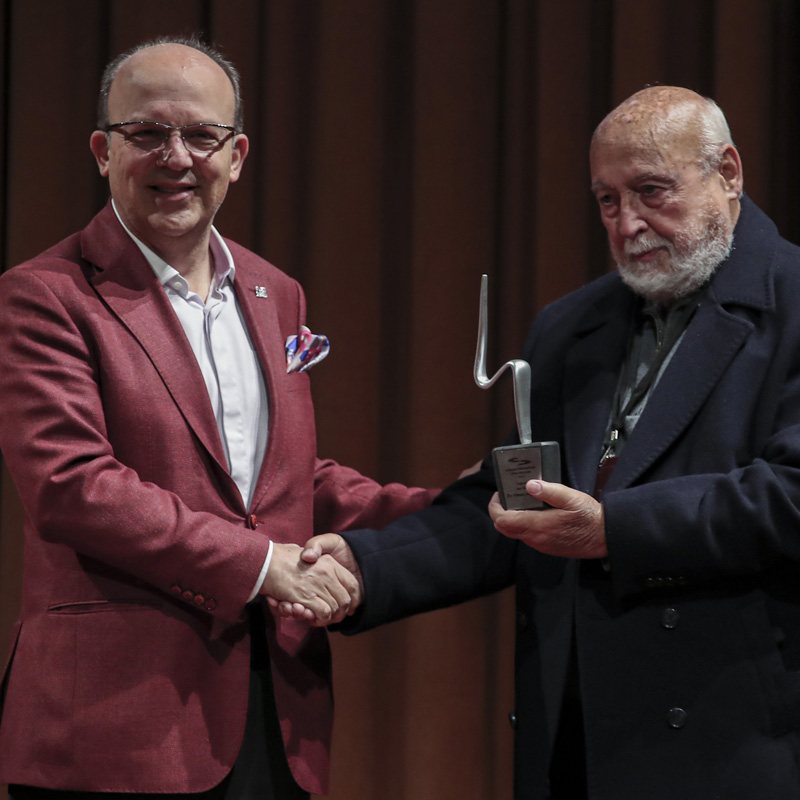
Sports Ambassador Proposes Multi-Country Olympics Effort
‘Boğaziçi Sports Ambassador’ Award recipient Dr. Yılmaz Argüden proposes to organize the Olympic Games under the theme “Olympics Unite” with the collaboration of “Türkiye, Palestine, Israel, Saudi Arabia, and Italy.”
At the Boğaziçi University Sports Award Ceremony on December 20, 2021, Dr. Yılmaz Argüden was recognized as the “Boğaziçi Sports Ambassador”.
With the spirit of a Sports Ambassador, during his acceptance speech Dr. Argüden shared an innovative idea to organize the Olympic Games under the theme “Olympics Unite” with the collaboration of “Türkiye, Palestine, Israel, Saudi Arabia, and Italy.”
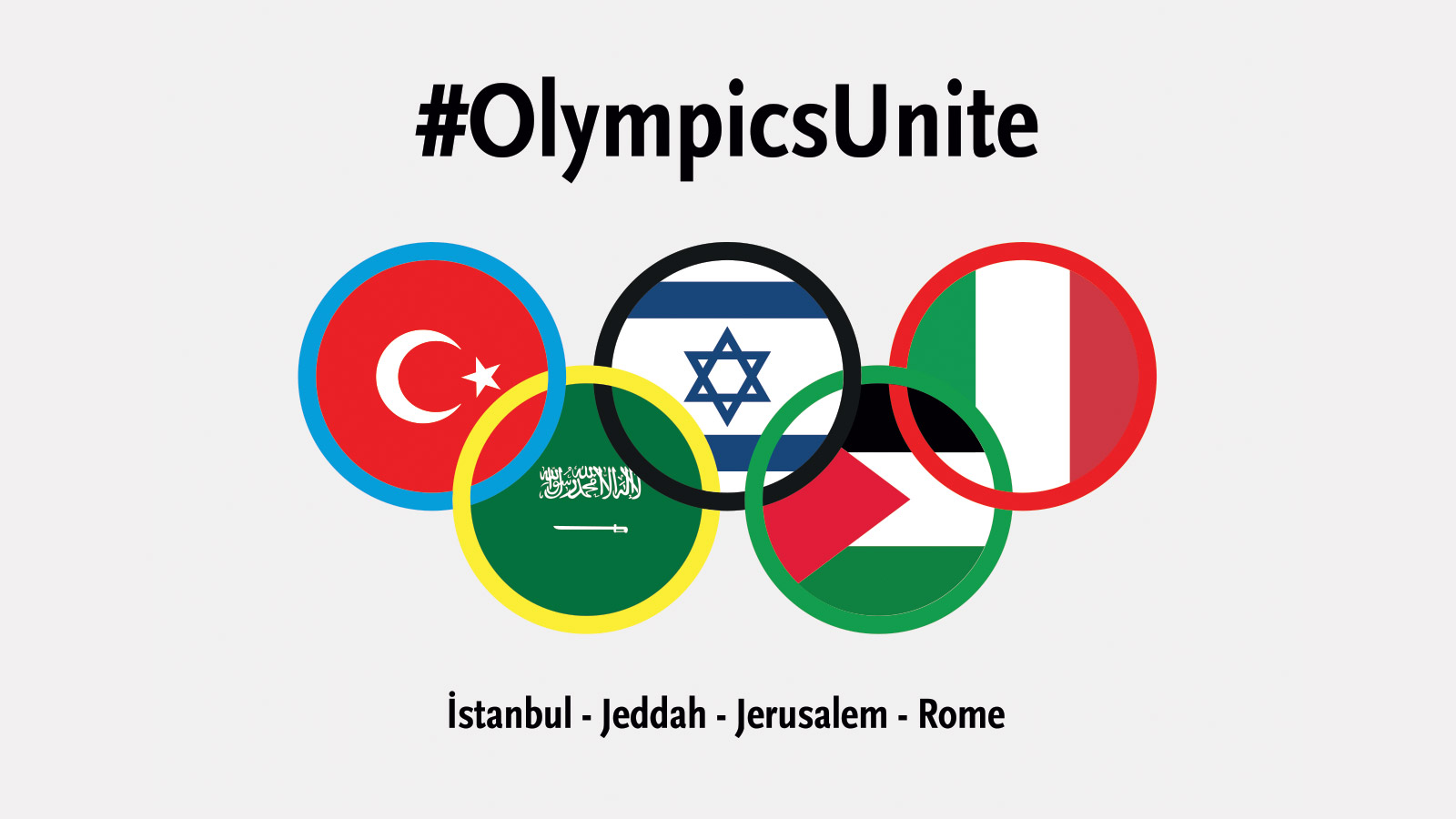
The Awards Ceremony that was organized by the Boğaziçi University Sports Committee to recognize top achievers in numerous sports fields. The recipient of the ‘Boğaziçi Sports Ambassador’ Award, Dr. Argüden said “Sportsmanship spirit unites people from different countries and cultures and motivates all to perform their best. Collaboration in organizing the Olympic Games by countries that host key religious sites such as İstanbul that has been the capital of three global empires from different religions, Jerusalem, Jeddah, and Rome could provide an opportunity to build much needed bridges between different religions and cultures for the common good of humanity. Such a joint effort will not only be an important message to unite the efforts for a sustainable future, but also make the ever-increasing costs of organizing the Olympic Games more economic and will also increase the attraction of the Games to larger audiences. Sharing this idea at the Boğaziçi University that is recognized by the importance it places on meritocracy, inclusiveness, and diversity, and that is located in a city that connects continents is aligned with the proposed theme of “Olympics Unite”. It is an honor for me to receive this prestigious Award and to share this idea at the 41st anniversary of initiating the first international SportsFest at the Boğaziçi University as a Student leader of the Sports Committee in 1980.”

About Boğaziçi Sports Ambassador, Dr. Yılmaz Argüden:
First International SportsFest was organized when Dr. Argüden was the President of Boğaziçi University Sports Committee (1979–80). He played for the Boğaziçi University Basketball team that won the National Championship twice in a row (1977 & 1978). He became the only student to graduate from the Boğaziçi University to receive the President’s Prize for Student Leadership and to graduate as the top student academically. He has received his Ph.D. in Policy Analysis from Rand Graduate School with General Distinction.
He is the founder and Chairman of, ARGE Consulting, globally recognized Turkish management consulting firm and Argüden Governance Academy foundation. He has served on 70+ boards in 4 different jurisdictions and as the Chairman of Erdemir and Rothschild&Co Türkiye, and as the Vice-Chair of Turkish Basketball Federation. As the Chairman of National Quality Association (KalDer), he initiated the National Quality Movement. As the elected Chairman of Local Networks, he served on the Board of UN Global Compact. He has served on the Corporate Governance Advisory Board for the International Finance Corporation (IFC) and as the Vice-Chair of Governance Committee of Business at OECD. He is a Fulbright, Tübitak, NATO, and Eisenhower Fellow and was selected as a Global Leader for Tomorrow by the World Economic Forum.
December 21st, 2021
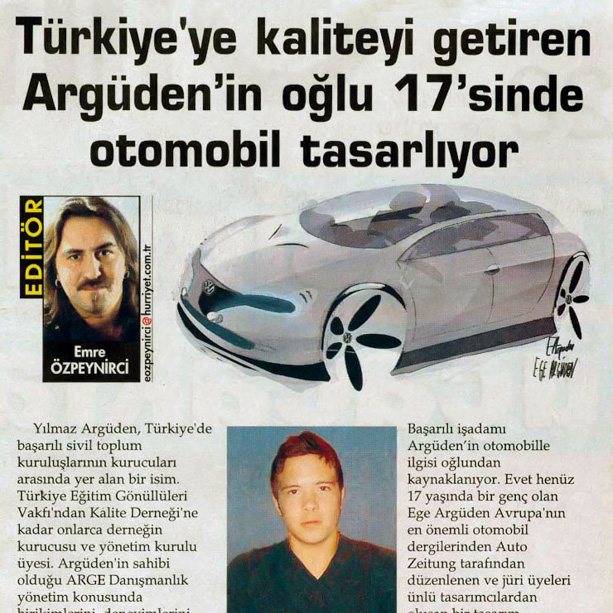
National Quality Movement
Brings Quality to Türkiye
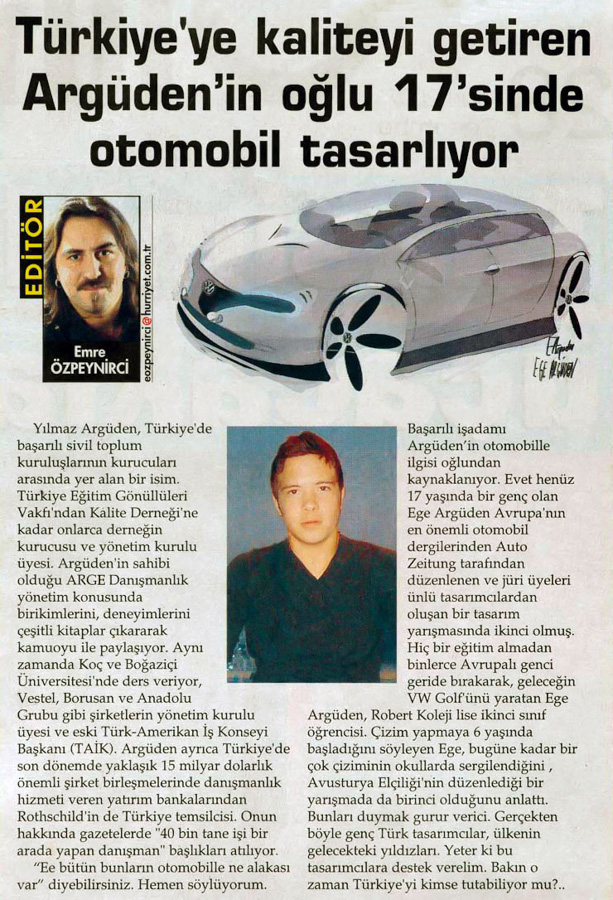
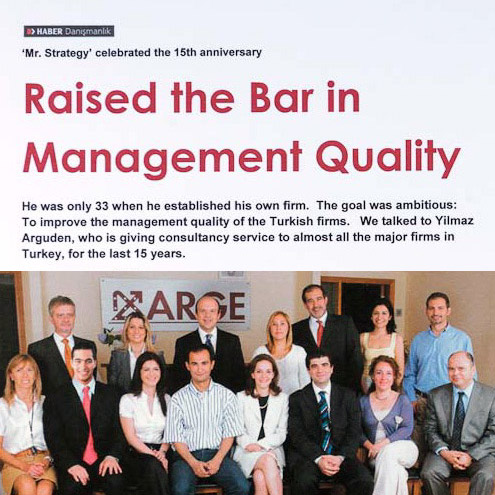
Mr Strategy
Raised the Bar
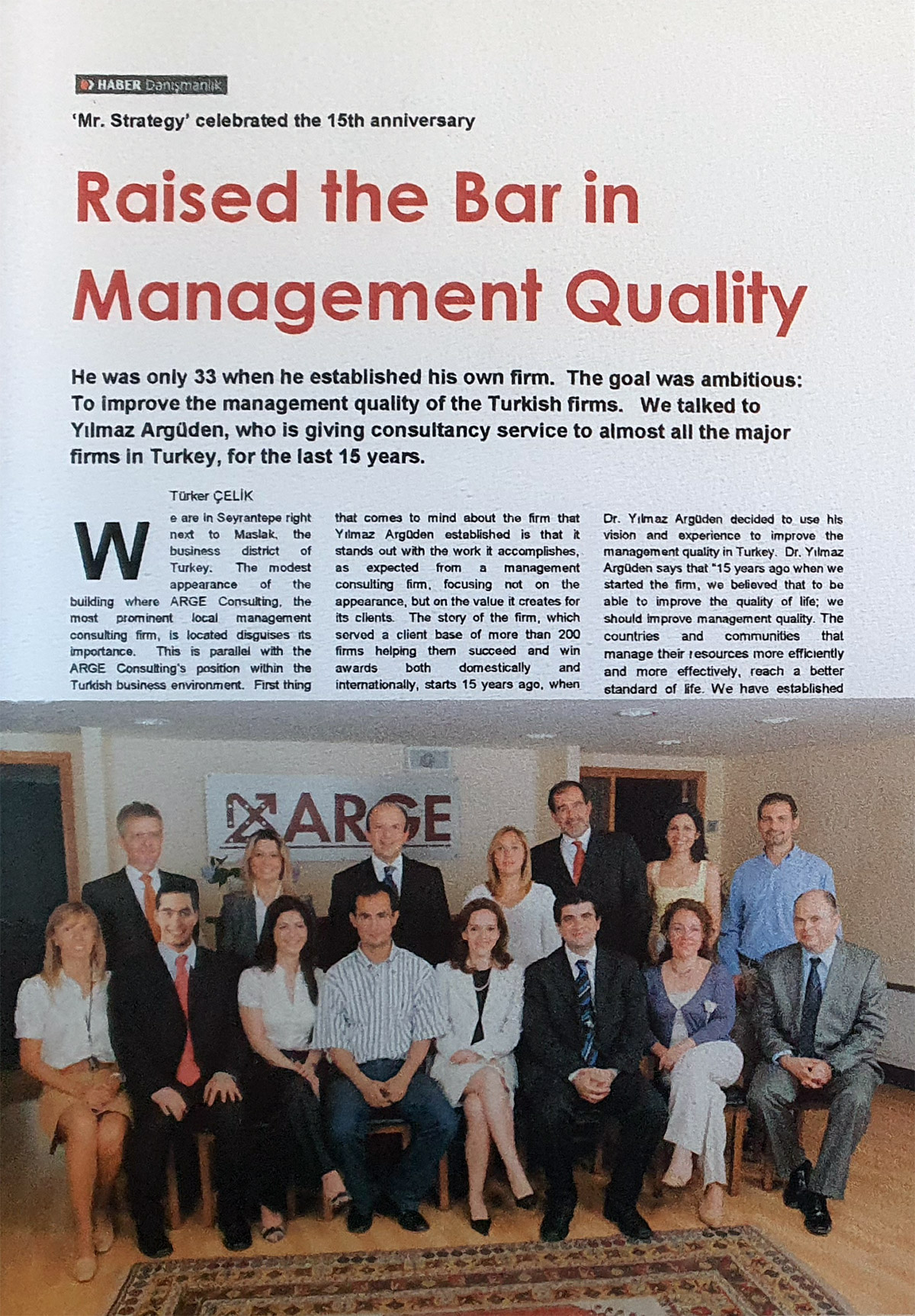

ARGE Consulting
Path

Strategy Boutique
Global Impact

ARGE Consulting Promotes Responsible Leadership
ARGE Consulting, globally renown for its governance expertise and for “management quality” in Türkiye, has completed over 1000 projects with more than 400 clients. ARGE has an exemplary corporate social responsibility program that has been recognized at the European Parliament.
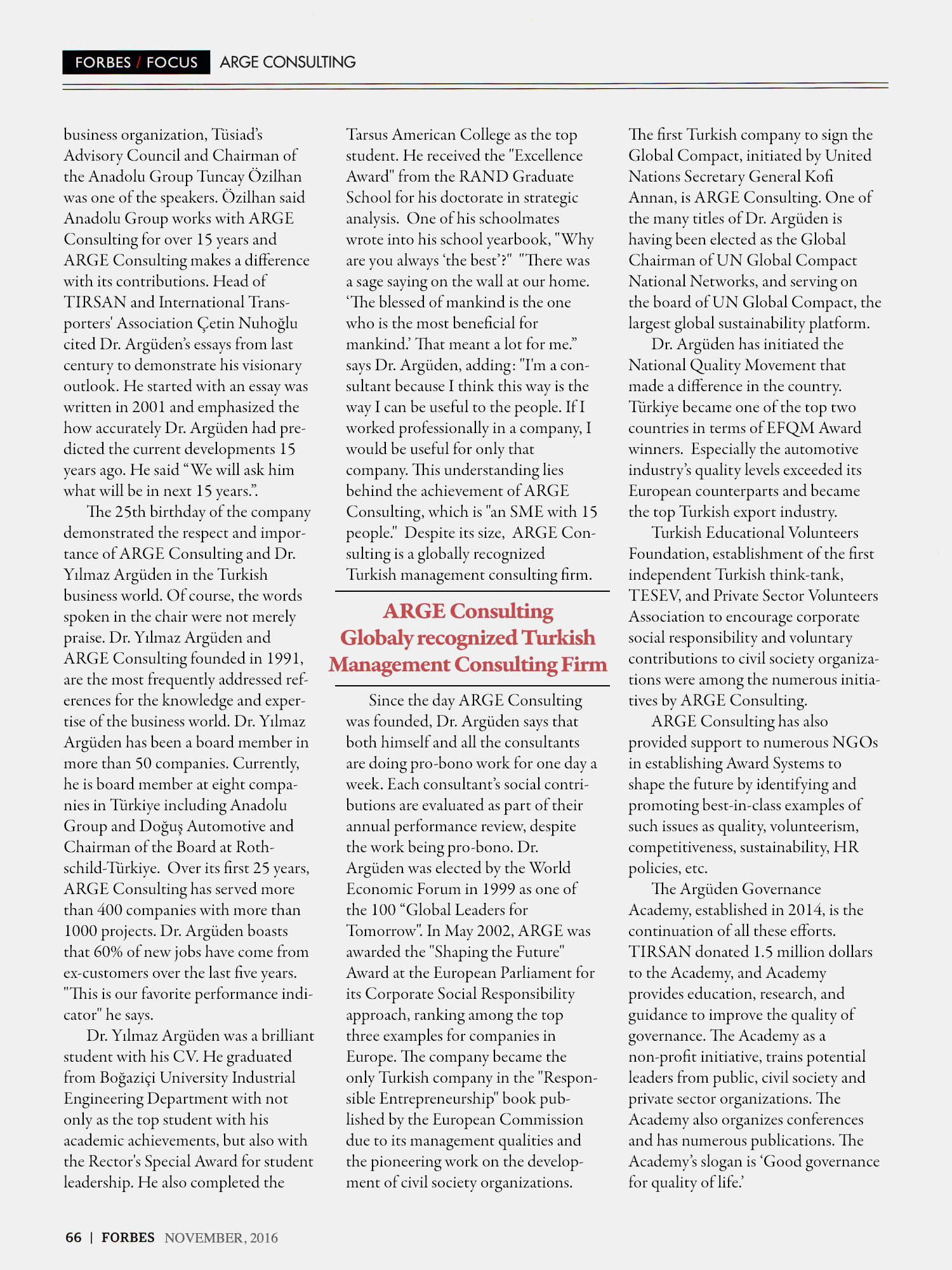
ARGE Consulting, celebrated its 25th anniversary with respected names from the Turkish and global business world on 26 September 2016 at the Boğaziçi University Albert Long Hall. Chairman of Global Compact Foundation, Sir Mark Moody-Stuart; Chairman of International Integrated Reporting Council, Prof. Mervyn E. King; former CEO of Koç Holding, Can Kıraç; Tüsiad High Advisory Council Chairman, Tuncay Özilhan; and Chairman of International Association of Freighters, Çetin Nuhoğlu were among the contributors at the 25th year celebration.
Improving quality of life
At the opening speech, ARGE Consulting’s Founding Chairman Dr. Yılmaz Argüden said, “Quality of life can only be improved by quality of management. Therefore, strategy: doing the right things, quality: doing things right, building sustainable institutions, and good governance for developing the essential climate and culture of trust are the keys to success.
 Çetin Nuhoğlu, Tuncay Özilhan, Mervyn E. King, Dr. Argüden, Can Kıraç and Sir Mark Moody Stuart
Can Kıraç, Tuncay Özilhan and Çetin Nuhoğlu, who took the stage at the 25th anniversary celebrations has thanked Dr. Yılmaz Argüden for his leadership and vision, as well as adding a value to their companies and the society through transformational work of ARGE Consulting.
A panel discussion was held with the participation of Sir Mark Moody Stuart and Mervyn E. King. At the session, which was moderated by Dr. Yılmaz Argüden, the concept of ‘responsible leadership’ and good governance was discussed. Leaders were called on to think for the answers to the following question: ‘How could we add value to the world?’. At the closing, Dr. Argüden stressed that good governance is a key requirement to improve the quality of life within the country and promoted use of ‘Republic of Türkiye’ in all international communications for better perception management.
 Mervyn E. King, Sir Mark Moody Stuart ve Dr. Argüden
About ARGE Consulting:
ARGE Consulting is a leading Turkish management consulting firm based in Istanbul. ARGE had initiated the National Quality Movement, served as the B20 Knowledge Partner for governance and sustainability, was the first Turkish signatory of the UN Global Compact, and made critical contributions to the development of local networks with the innovative strategies it had developed. ARGE had also served as a member of the World Economic Professional Services working group, at the BIAC Governance Committee to the OECD, and at the Private Sector Advisory Group of the IFC’s Corporate Governance Group.
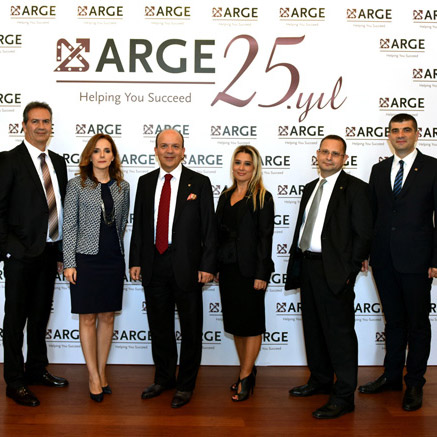
 Hakan Kilitçioğlu, Pınar Ilgaz, Dr. Argüden, Aylin Tuncer, Dr. Erkin Erimez ve Burak Erşahin

Sustainable Success Model by ARGE at 30th Anniversary


ARGE Consulting has developed the Sustainable Success Model© that incorporate key understandings from integrated thinking (strategic and responsible leadership), EFQM Model (deployment
throughout the organization for effective implementation), and value reporting (for better governance and gaining the trust of stakeholders).
Role Model for Europe
with its CSR Approach

UN Global Compact
First Turkish Signatory
ARGE Consulting has become the first Turkish company to sign the “Global Compact” among hundreds of companies and non-governmental organizations all around the world.
ARGE Consulting is the first Turkish company taking part in the “Global Compact”.
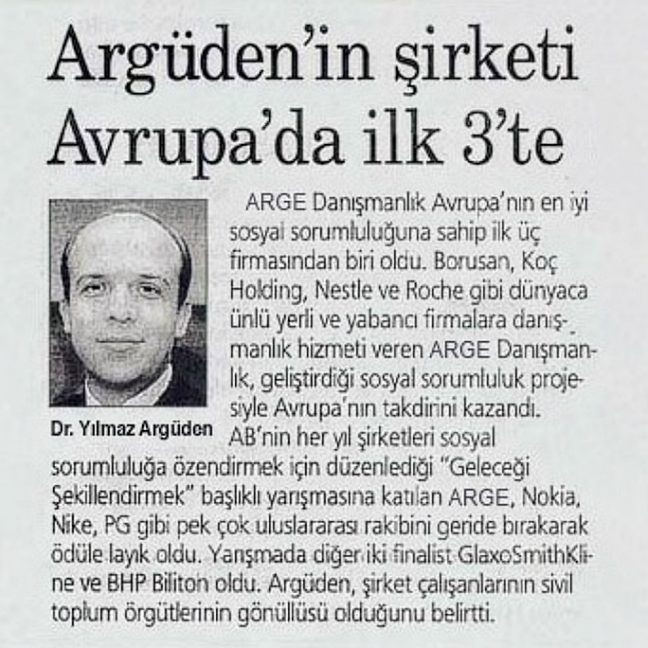
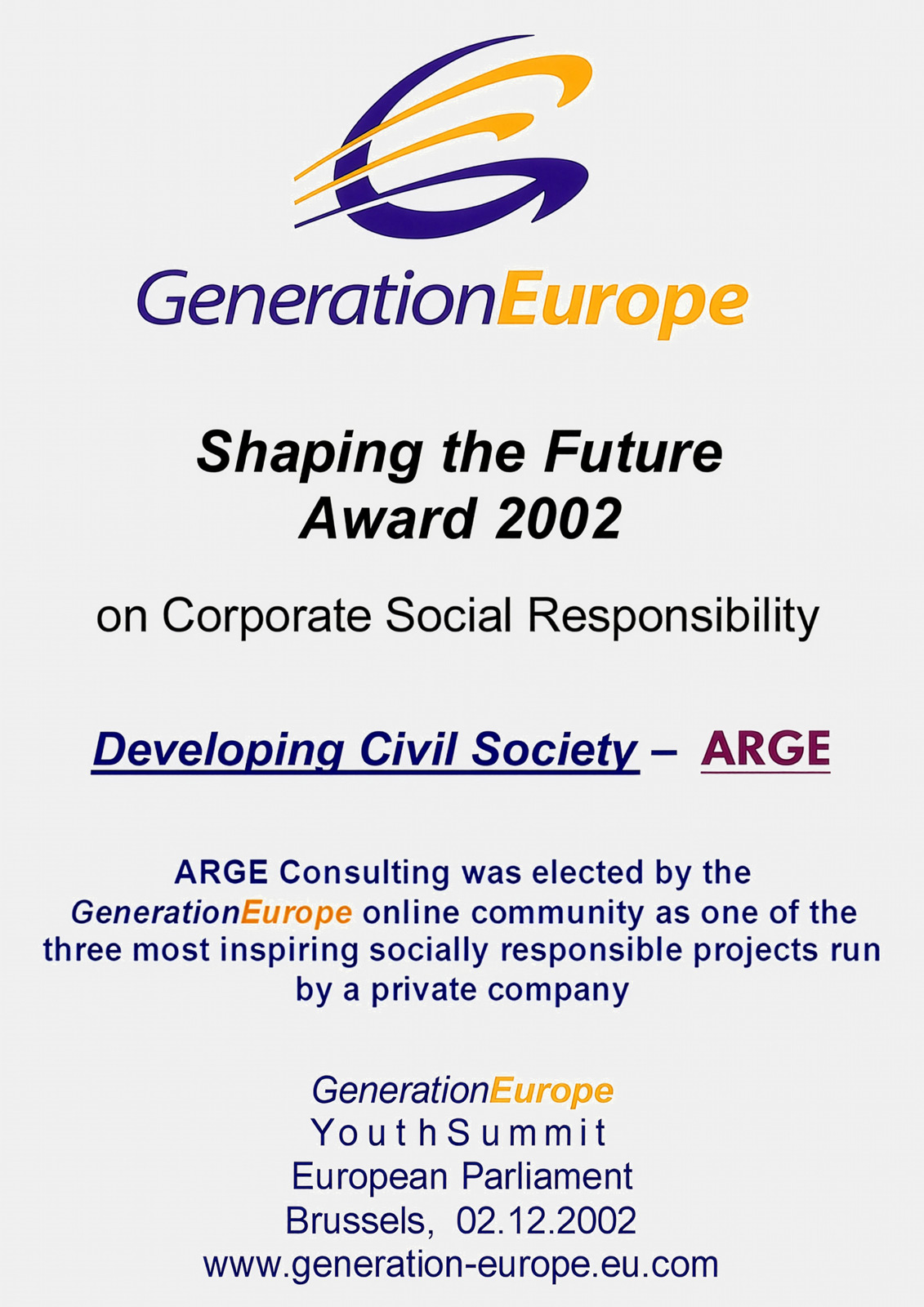
22 September 2005- ARGE Consulting, a company known for its achievements in value creating strategies, management quality, institutional development, and development of non-governmental organizations in Turkey, was selected as one of the top three companies with its commitment for corporate social responsibility by the European Parliament in 2002. ARGE Consulting has further become the only Turkish company which was recognized in the “Responsible Entrepreneurship” report, prepared by the European Commission to recognize best practices by European SMEs. ARGE’s efforts in corporate social responsibility are also taught as a case study in many universities (The case study, which was prepared by the Bosporus University, is also taught in universities all around the world through the European Case Clearing House.)
ARGE Consulting, one of the best known management consulting companies in Turkey, encourages its employees to engage in voluntary work for NGOs one day a week as a corporate policy.
ARGE employees have made significant contributions in starting KalDer’s National Quality Movement and creating a separate award category for non-governmental organizations; developing a Management Training program for NGO’s in Bosphorus University; supporting the activities of the Private Sector Volunteers Association to promote volunteerism in the society. ARGE Consulting has also supported Turkish Economic and Social Studies Foundation’s efforts and published a book on corporate social responsibility.
ARGE Consulting, with its mission to prepare companies for the future, provides services in the areas of strategy, business excellence and institution building, and supports the development and implementation of the leading management concepts in Turkey such as Balanced Scorecard, Value Management, Reputation Management, Change Management and Intellectual Capital.
The Global Compact, which was initiated by the United Nations Secretary General Kofi Annan during the World Economic Forum in 1999, has been signed by hundreds of companies and non-governmental organizations all around the world. The Global Compact is a purely voluntary initiative with no legal implications. It is a roadmap that is formed around 10 basic principles in the areas of human rights, labor rights, environment and anti-corruption. There are many benefits to participating in the Global Compact:
– To demonstrate leadership in sustainable growth, and corporate social responsibility,
– To have a series of guiding principles in terms of risk management in critical situations,
– To create solutions for social problems by leveraging the UN’s global reach and convening power with governments, businesses, and civil society.
– To increase corporate brand value,
– To increase employee motivation and productivity,
– To engage in and adapt easily for global collaboration,
– To gain access to private funds and achieve lower funding rates.
BT İnsan
Shaping the Future Award
at the European Parliament
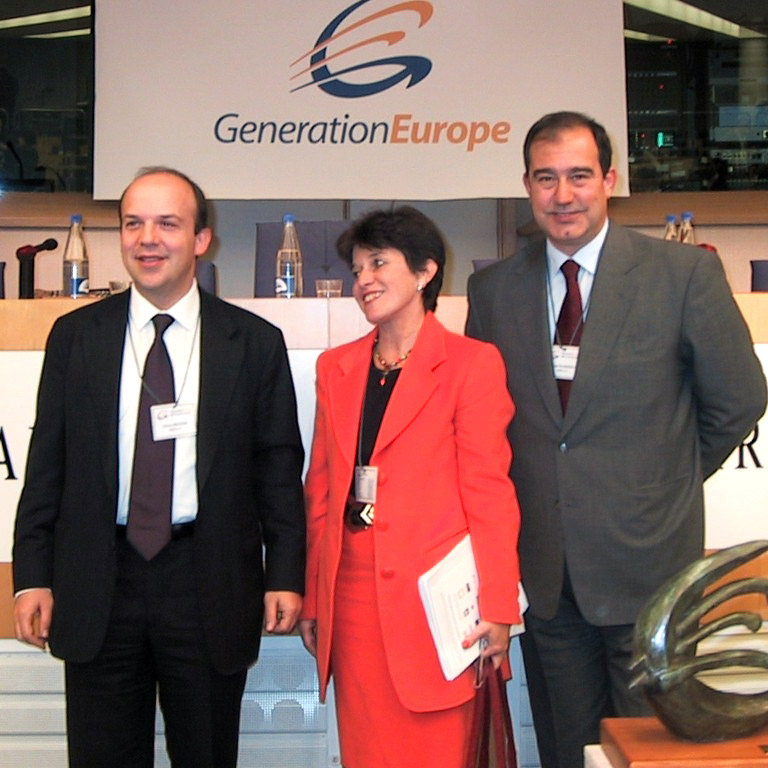
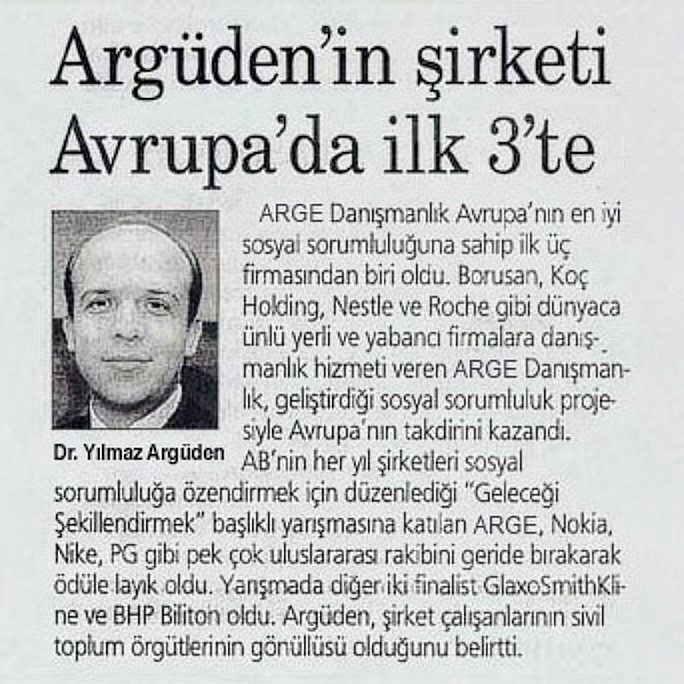
These days, in which we try to get a date for European Union membership, a small Turkish company has left giant European companies behind and was rated among the top three companies “Shaping the Future” in Europe.
ARGE Consulting has become one of the top three finalist companies in terms of “Corporate Social Responsibility” through its efforts for the development of non-governmental organizations. Organized by the Generation Europe, the winner will be awarded at the European Parliament in Brussels on 2 December.
At the press conference, the Chairman of ARGE Consulting, Dr. Yılmaz Argüden stated that this success does not only belong to ARGE but also an important achievement for Turkey, and said: “High quality contributions are recognized and appreciated at the international community. Our success, being among the top three exemplary companies for Europe, is a perfect demonstration of this fact.” ARGE, with its mission for preparing companies for the future, provides strategy, business excellence, and institution building services.
Türkiye
21.11.2002
ARGE Consulting
World Economic Forum
At the WEF Professional Services Working Group, worked with leaders of numerous advisory firms, including;
Hans-Paul Bürkner, BCG
Ian Davis & Dominique Barton, McKinsey
Frank Brown, PwC
Christine Lagarde, Baker & MacKenzie
Orit Gadiesh, Bain & Co


ARGE Consulting
B20 Knowledge Partner
B20 has brought together critical stakeholders in Paris to prepare ‘Governance & Sustainability’ recommendations to G20 Leaders to be presented at the November 2015 G20 Summit in Antalya. Dr. Yılmaz Argüden, Chairman of ARGE Consulting (B20 Knowledge Partner) moderated the session. Speakers included global figures such as John Danilovich, International Chambers of Commerce (ICC) General Secretary; Sir Mark Moody-Stuart ,Chairman of UN Global Compact Foundation; Nikholai Malshev, OECD’s Head of Regulatory Division; Paul Druckman, Integrated Reporting CEO; and Stefan Embled, the World Bank Group’s Special Representative to the OECD and Director Europe.
Paris, June 1st, 2015 – G-20 Leaders’ Summit will be held in November 15 -16, 2015 in Antalya Turkey. B20 will prepare recommendations that would be helpful to find solutions for global business issues. This year B20 Turkey Secretariat decided to form a new Theme “Governance and Sustainability” since 2015 marks a milestone year in which UN will establish Sustainable Development Goals (SGDs) and the Climate Summit to be held in Paris will be another milestone event related to global sustainability. ARGE Consulting has been selected as the Knowledge Partner of the Governance and Sustainability Theme.
ARGE Consulting is the only Turkish consulting firm to become a B20 Knowledge Partner. ARGE has a global reputation on governance related subjects.
Workshop has been organized in OECD Headquarter Paris in June 1, 2015. Workshop has been started with panel discussion moderated by Dr. Yılmaz Argüden, ARGE’s Chairman. Speakers in the panel are; Sir Mark Moody- Stuart UNGC Foundation President, John Danilovich ICC General Secretary, Nikholai Malshev OECD, Head Regulatory Division, Paul Druckman Integrated Reporting CEO and Stefan Embled World Bank Group Special Representative and Director Europe.
The role of principled business practices in building trust and achieving inclusive and sustainable development were the focus of discussions. Multi-lateral institutions participating in the discussion emphasized the importance of disclosure and transparency on reporting business performance in the areas of environmental, social, and governance spheres.
The participants who were key business representatives from the G20 countries that participate in B20 Task Forces had opportunity to state their views after panel discussion. ARGE has been represented by Dr. Yılmaz Argüden, Ms. Pınar Ilgaz, and Dr. Erkin Erimez.
 Paul Druckman (CEO, Integrated Reporting), John Danilovich (Secretary General, ICC), Dr. Yılmaz Argüden (ARGE Consulting, B20 Knowledge Partner), Stefan Emblad (World Bank, European Director), Nikolai Malyshev (OECD, Head Regulatory Policy)

ARGE Consulting
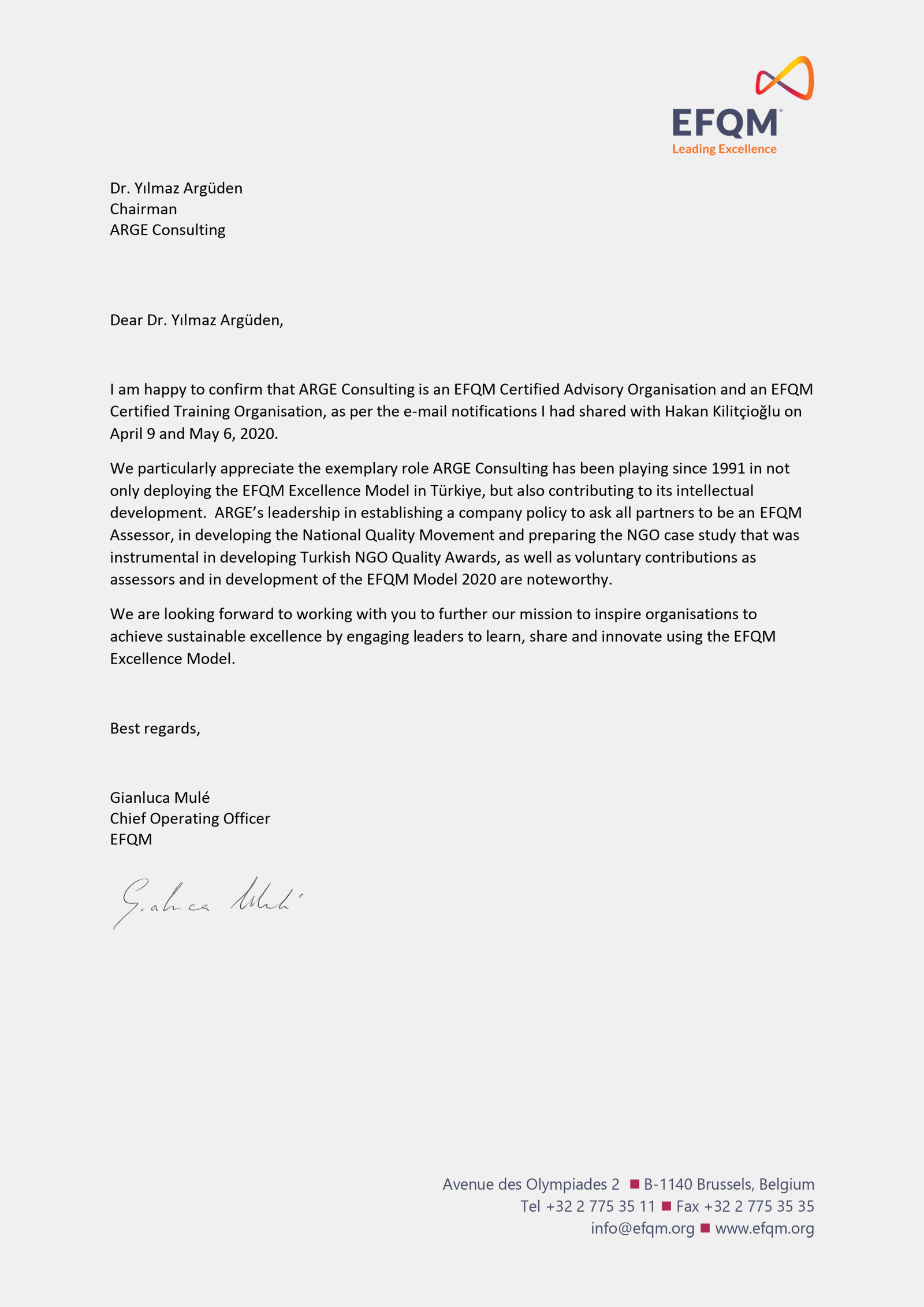
Certified EFQM Advisor
Istanbul based strategy boutique ARGE Consulting achieves a global first at its 30th year by being recognized as a Knowledge and Training Partner by two global thought leader institutions: EFQM and IIRC.
Dr. Yılmaz Argüden, founder of ARGE Consulting, told that “Since our founding in 1991, we are committed to not only to helping our clients succeed by improving their management systems, but also to helping improve quality of life by making intellectual contributions to NGOs and international organizations for inclusive and sustainable development on a voluntary basis. We believe that integrated thinking and the EFQM Model 2020 share a common understanding of responsible leadership and are complementary in improving implementation and deployment capability of this understanding throughout an organization. ARGE is going to publish a Model for Sustainable Success that demonstrates how to utilize these concepts during its 30th year.”
ARGE has been recognized as a Knowledge and Training Partner by both EFQM and IIRC, two globally well-known thought leader organizations for building a trust-based world. As such, ARGE Consulting became the first and only management consulting firm to achieve such a status globally during its 30th year.
The first EFQM Model was introduced by the European Foundation for Quality Management in 1991. This model has guided the quality improvement journey of many organizations in the world since then. ARGE Consulting has been instrumental in the deployment of this model throughout the country, particularly with its pioneering role in National Quality Movement that helped not only companies but also public sector institutions and NGOs adopt a quality culture. ARGE was also instrumental in motivating and helping numerous Turkish companies win the European Quality Awards. One of the ARGE partners, Hakan Kilitçioğlu, was the only Turkish member of the international committee that prepared the 2020 update of the EFQM Model. EFQM has recognized ARGE Consulting as a Certified Advisory Organization and Training Organization.
International Integrated Reporting Council (IIRC) who is the leading advocate of integrated thinking in the world has also recognized ARGE consulting as a Training Partner. ARGE is the only Turkish Training Partner recognized by the IIRC. As a Knowledge Partner for B20 (Governance & Sustainability), ARGE Consulting was instrumental in bringing Integrated Reporting to the attention of G20 leaders. Later ARGE was instrumental in pioneering NGOs and municipalities to adopt Integrated Reporting. Dr. Yılmaz Argüden stated that “ARGE has been working and contributing to the adoption of a good governance approach in the organizations and working for trust-based world order. These two licenses will enable ARGE to help businesses, NGOs, local governments, and other organizations that would like to gain an advantage for sustainable success through value creation and responsible leadership.”
Dr. Yılmaz Argüden: “Adapting integrated thinking and quality management approaches create a competitive advantage for companies.”
Dr. Yılmaz Argüden, told: “We are very pleased and honored to be accepted as a Knowledge and Training Partner by EFQM and IIRC. Adapting integrated thinking and quality management approaches creates a competitive advantage for companies. ARGE is committed to helping its clients for their sustainable success.” ARGE Consulting will soon publish a new book on Model for Sustainable Success that helps demonstrate how to utilize these concepts in a complementary fashion for better deployment of value creation and responsible leadership throughout the organization and continuous learning for sustainable competitive advantage.
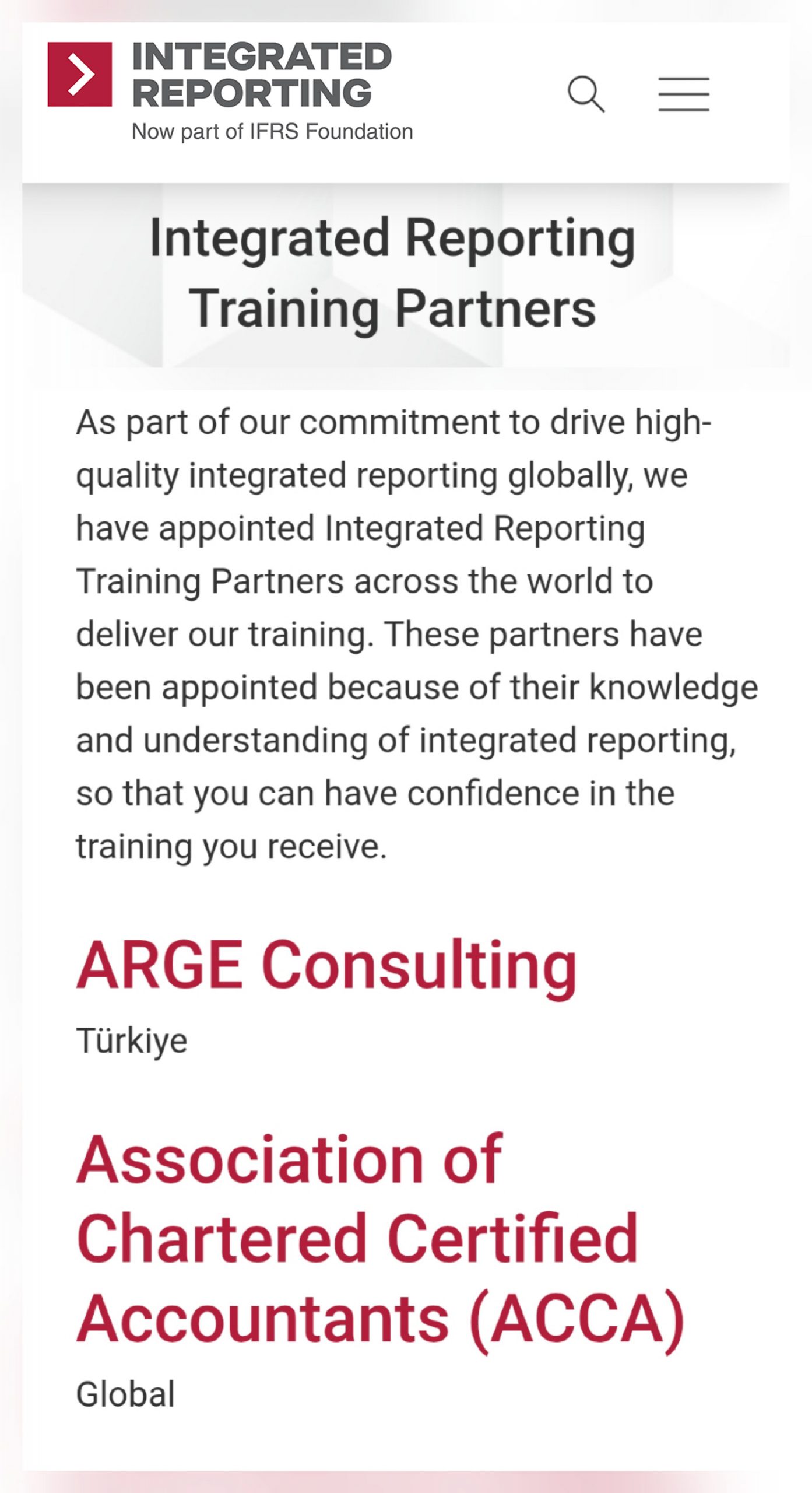
ARGE, IIRC
Licensed Training Partner
ARGE Consulting is the first Turkish institution to become the Training License Partner of International Integrated Reporting Council
Since 1991, globally recognized Turkish management consulting firm, ARGE Consulting strives “To create value by improving management quality.” ARGE is aware the importance of social and intellectual capital development for a sustainable future since its inception. ARGE’s partners volunteer one-day-per-week for pro-bono work to support civil society organizations and utilize one-month-a-year for intellectual capacity development programs since 1991. With the effectiveness of its CSR program, ARGE was recognized as one of the best 3 companies for ‘Shaping the Future’ at the European Parliament in 2002.
ARGE is a thought leader in management quality, governance, and sustainability. ARGE was the first Turkish signatory of the UN Global Compact and was instrumental in establishing the Turkish Network. Chairman of ARGE Consulting has also served as the elected Chair of UNGC Local Networks, globally. ARGE is a Certified Advisory Organization of the EFQM and has been instrumental in initiating the National Quality Movement that brought numerous European Quality Awards to Turkish companies. ARGE actively contributes to the activities of Business at OECD and IFC’s Corporate Governance Advisory Group.
ARGE has also served as B20 Knowledge Partner during the Turkish presidency of G20 during 2015 and actively contributes to the B20 process since then. ARGE has worked in close cooperation with UNGC and IIRC and has prepared policy recommendations to be presented to G20 Leaders where adoption of Integrated Reporting was among the recommendations.
ARGE has founded Argüden Governance Academy in 2014 as a nonprofit organization with a mission of “Improving trust to the organizations for quality of life and a sustainable future”.
Argüden Governance Academy has adopted integrated thinking approach since its founding and became the first Turkish organization to prepare an Integrated Report and one of the first ten civil society organizations to do so globally. Argüden Governance Academy Foundation’s 2019 Integrated Report has been published in record 40 days, demonstrating the level of internalization of integrated thinking in its daily operations. Both ARGE Consulting and the Academy are active members of the Integrated Reporting Türkiye Network.
ARGE Consulting has been instrumental in helping Kadıköy District Municipality of Istanbul to prepare the first Integrated Report by a local government in the world. The model developed by ARGE Consulting improves value creation for all stakeholders and inclusive policy making at the local level by incorporating the EFQM concepts, the SDGs, and the Quality of Life Index of OECD with Integrated Reporting.
ARGE’s proven expertise in providing management consulting, developing strategy and skills within its clients, and its history of being a change agent makes ARGE a critical partner for any organization that aims to adopt integrated thinking, including the corporations, public institutions, and the NGOs.
“Trust is the essence of good governance and sustainable development. Adoption of integrated thinking and the transparency and accountability demonstrated by Integrated Reporting are the keys for gaining the trust of stakeholders.”
Dr. Yılmaz Argüden, Chairman – ARGE Consulting
International Council of Management Institutes
During ARGE Partner Murat Yalnızoğlu’s Chairmanship, YDD was authorized to give ICMC certificates. ARGE supported this initiative by asking all its consultants to get the certificate.
While serving as the Vice-Chair of Turkish Management Consultants Association, ARGE partner Pınar Ilgaz led the first international conference at İstanbul, Çırağan Palace.


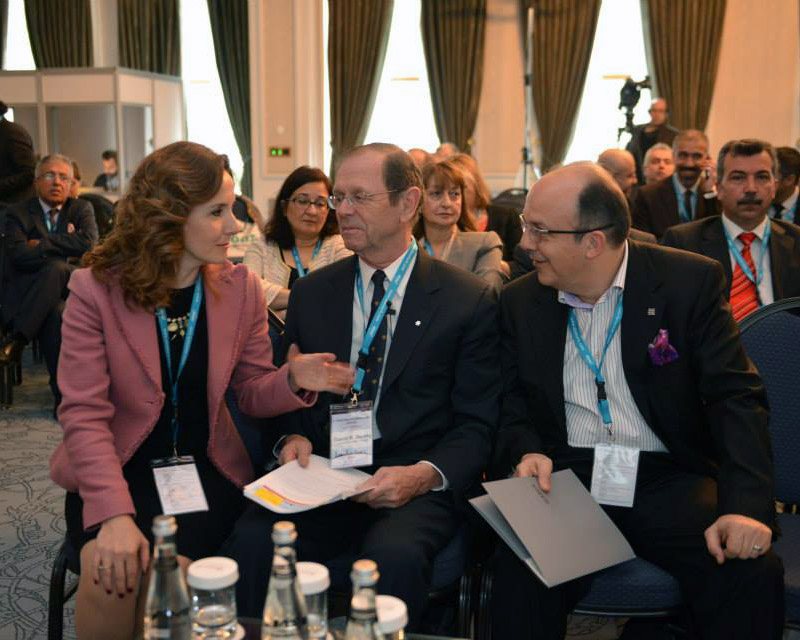

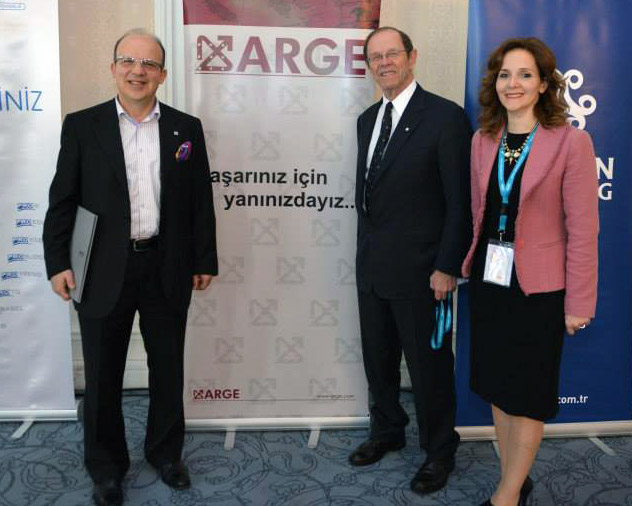
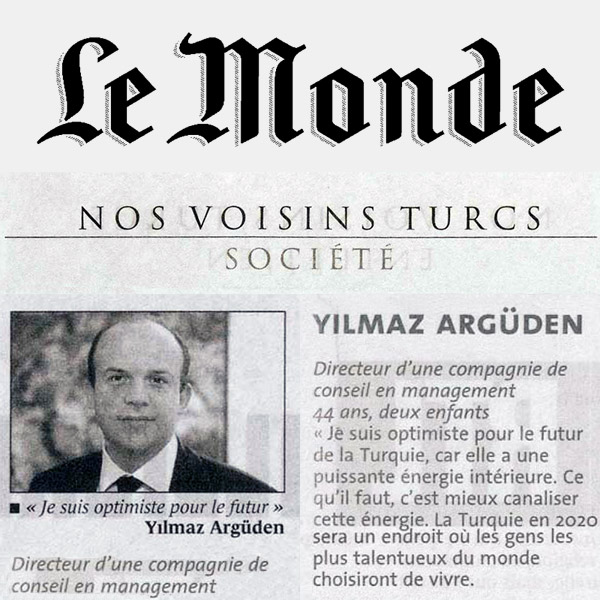
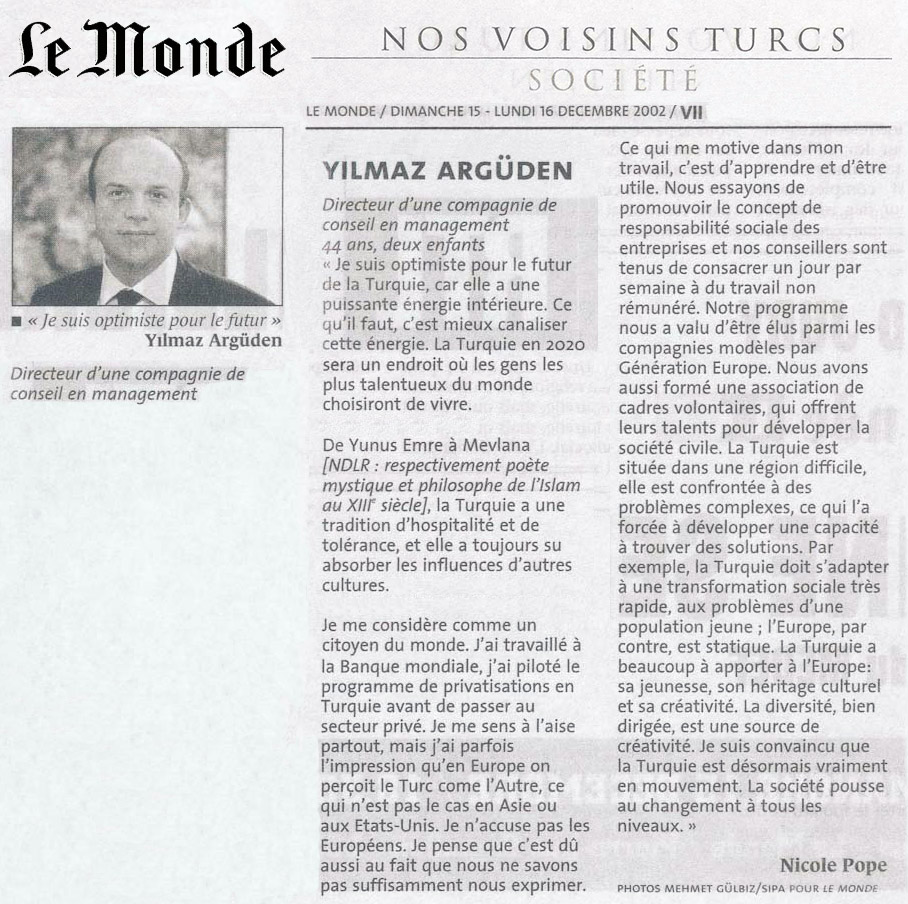
Dr. Yılmaz Argüden
is featured on Le Monde
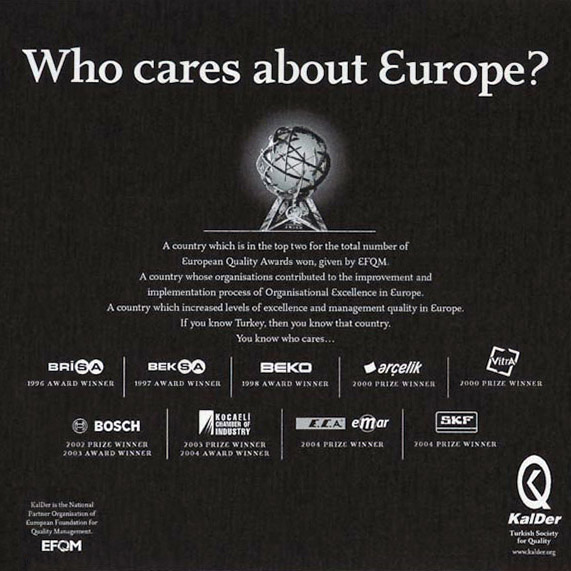
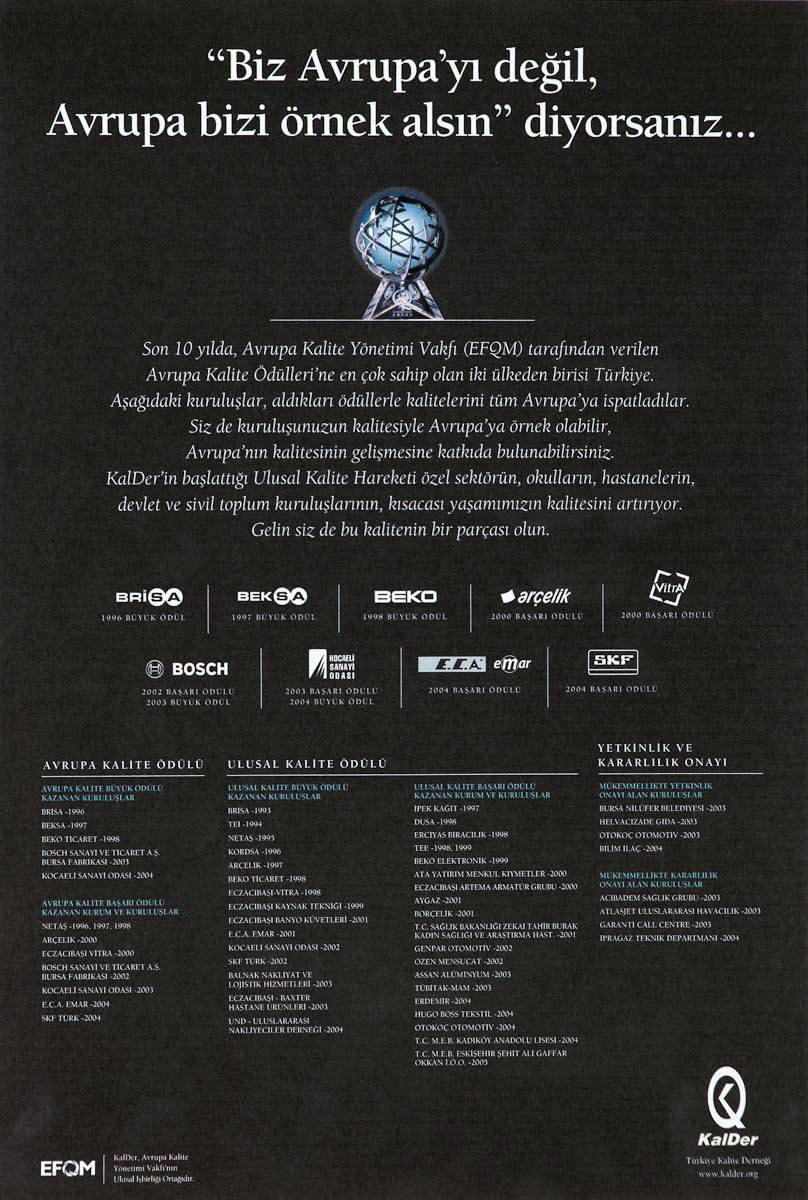
Who Cares
About Europe?
Turkish Quality Leaders’ Financial Times post by Dr. Argüden’s initiative: Europe will strengthen with Turkish membership.


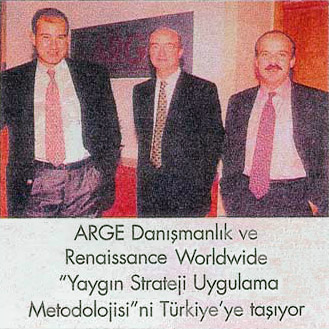
Balanced Scorecard
is in Türkiye
With the cooperation between ARGE and Renaissance Worlwide, a new management system, “Balanced Scored”, is now in Turkey. Balanced Scorecard, which has been widely used by successful companies over the five years, enable to implement strategies effectively.

Milliyet HR Newspaper, December 13th, 1998

Turkish Davos:
Searching for Tomorrow
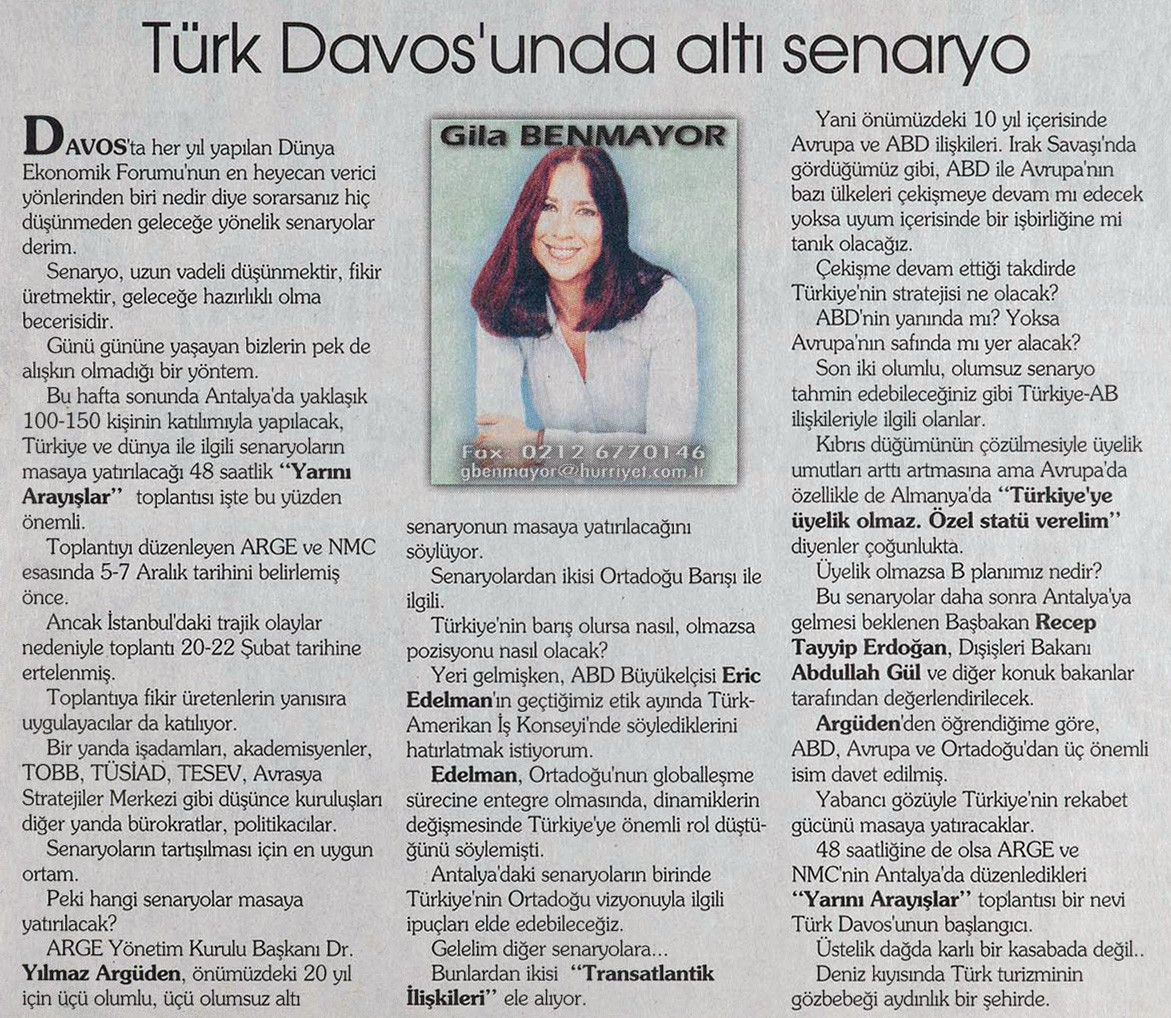
Gila Benmayor,
Hürriyet Newspaper, February 17th, 2004

Turkish Chambers of Commerce Works With ARGE Consulting
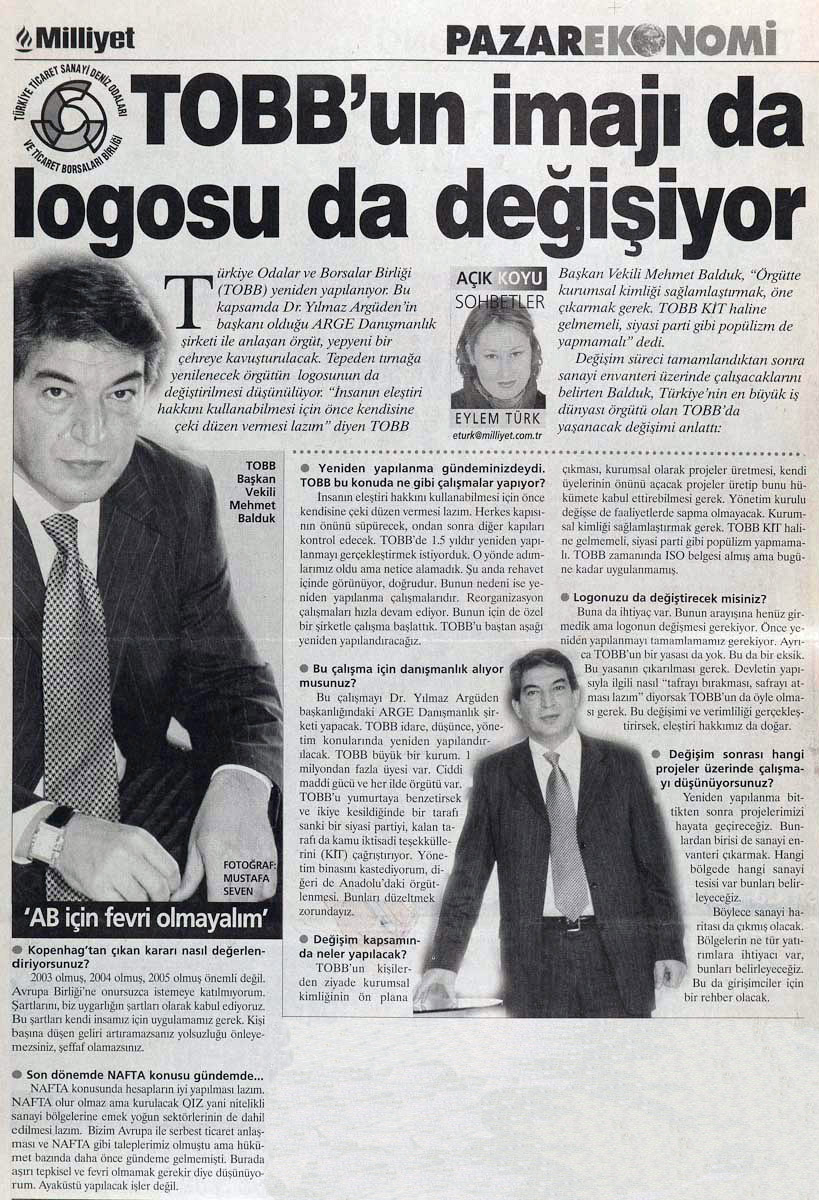


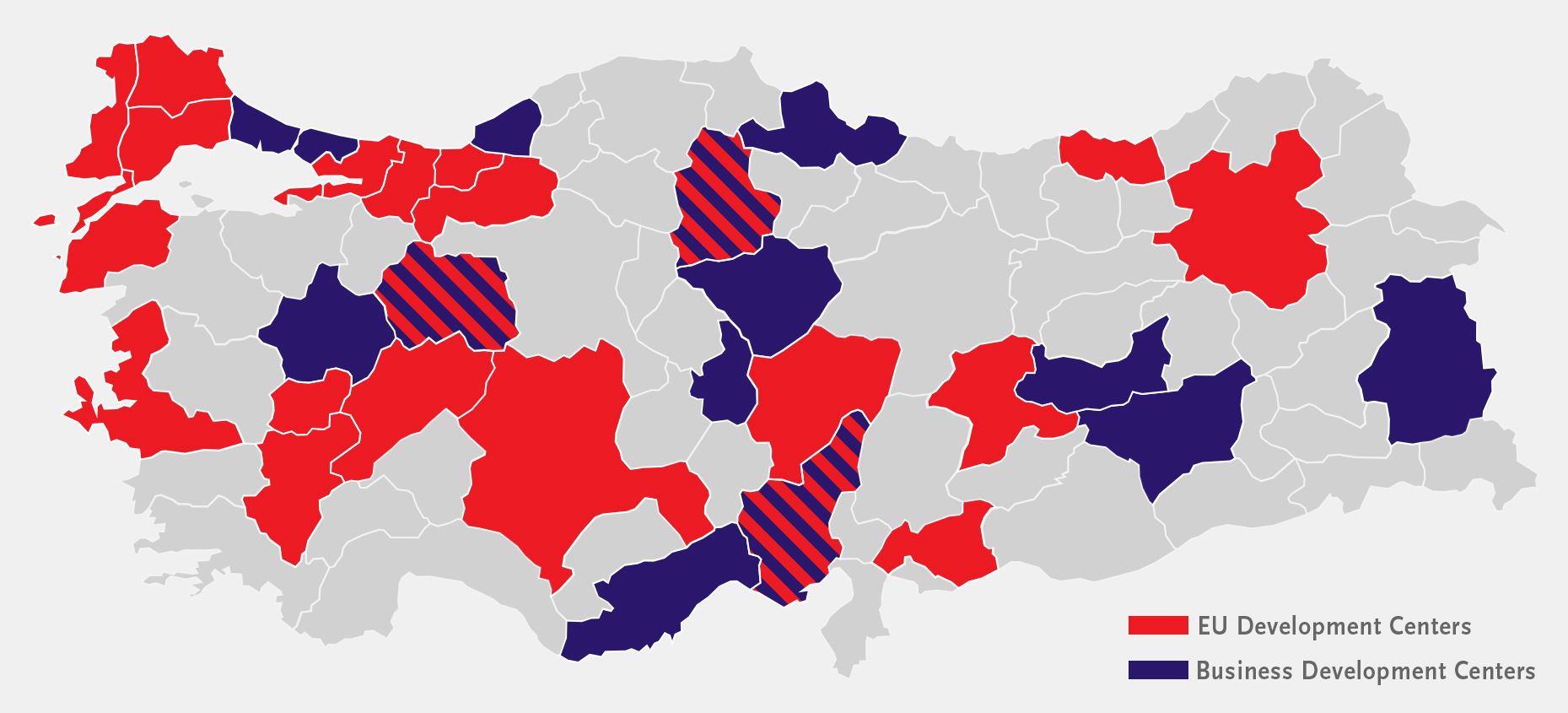
ARGE Partners With IMC to Establish ABİGEM & İŞGEM

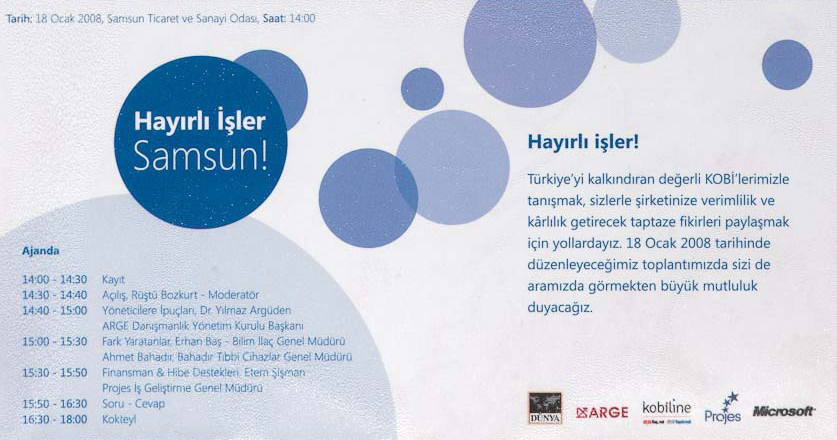
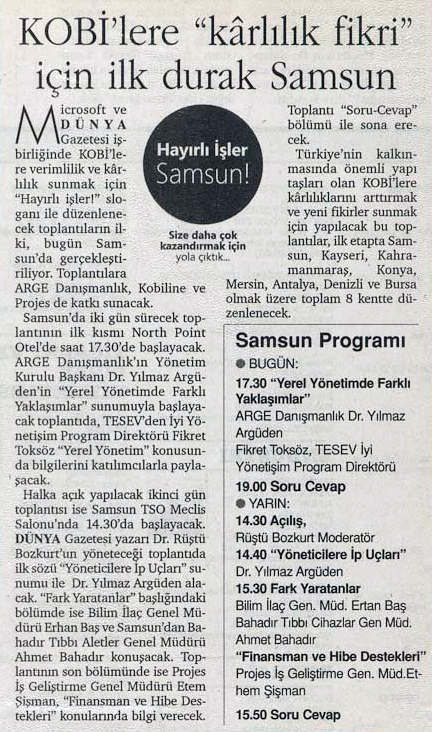
Dünya, Microsoft and ARGE Collaborates for Anatolian SMEs
ARGE Consulting collaborated with Microsoft and Dünya Daily to introduce new management concepts in Strategy, Governance, and Sustainability for Local SMEs, NGOs, and Local Governments in Anatolia.
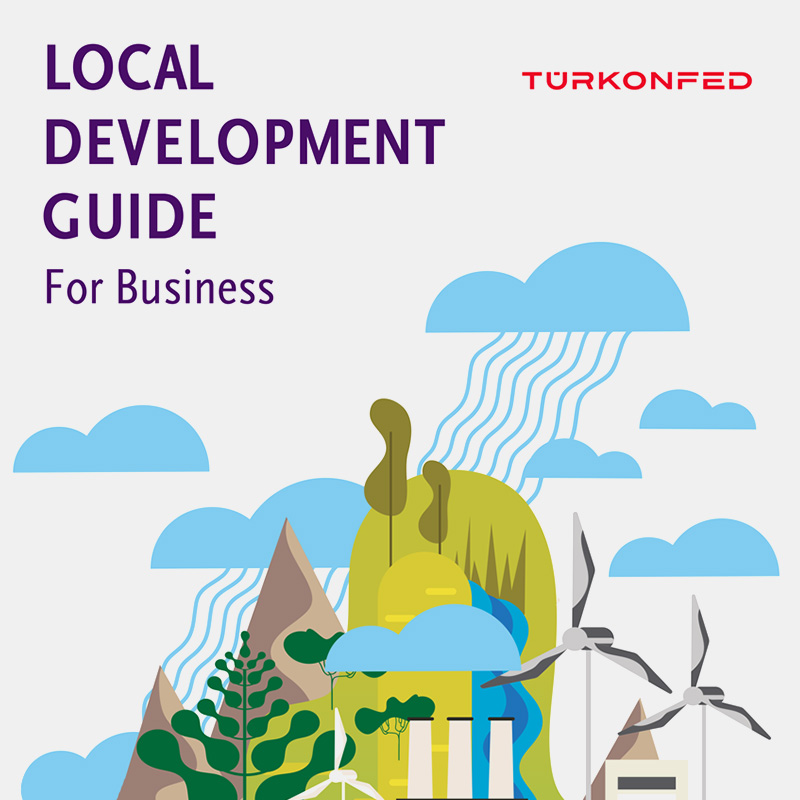
Local Development Guide
For Business

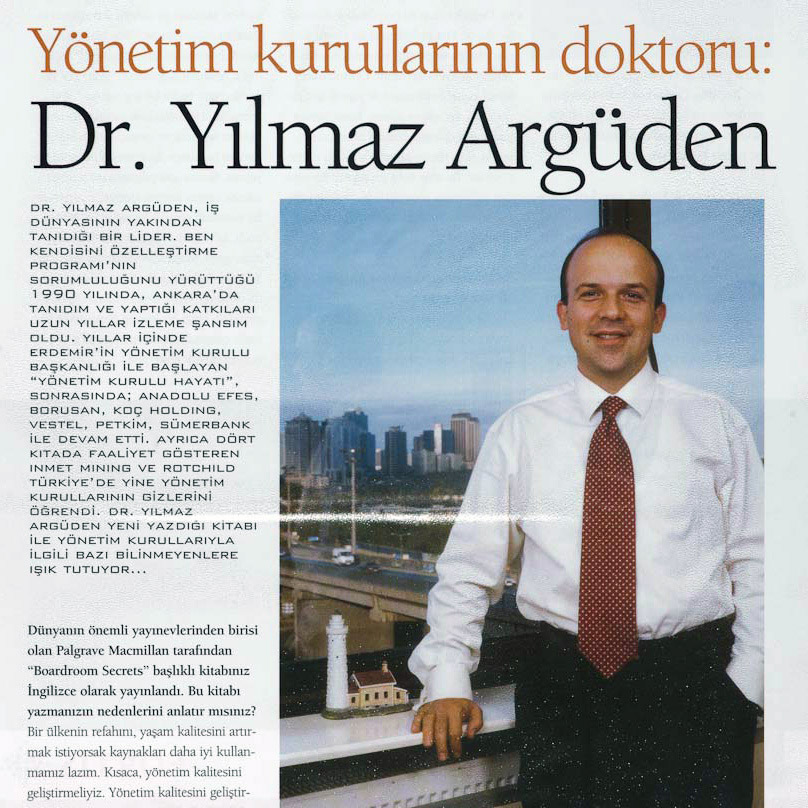
Guru of
Boards
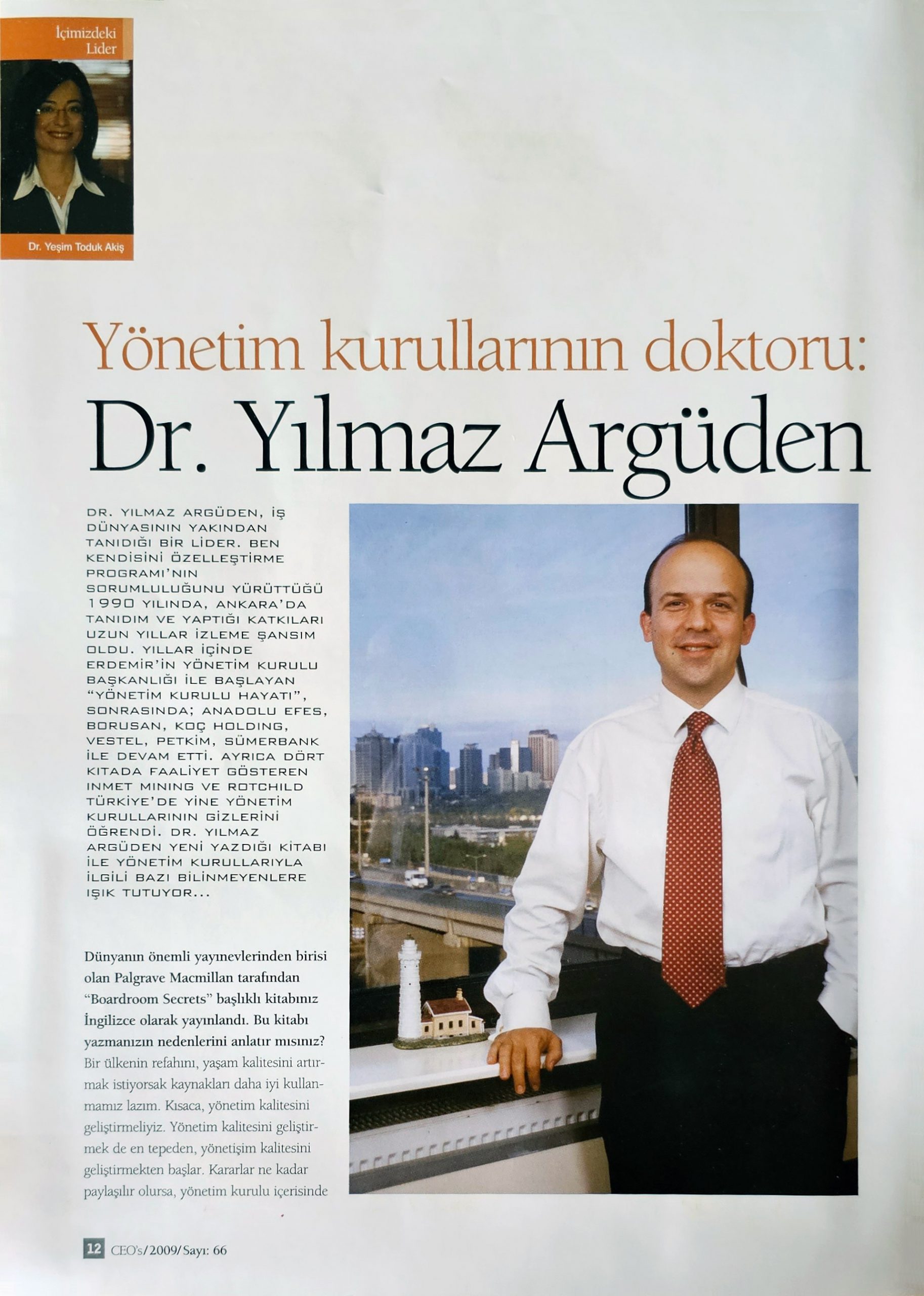

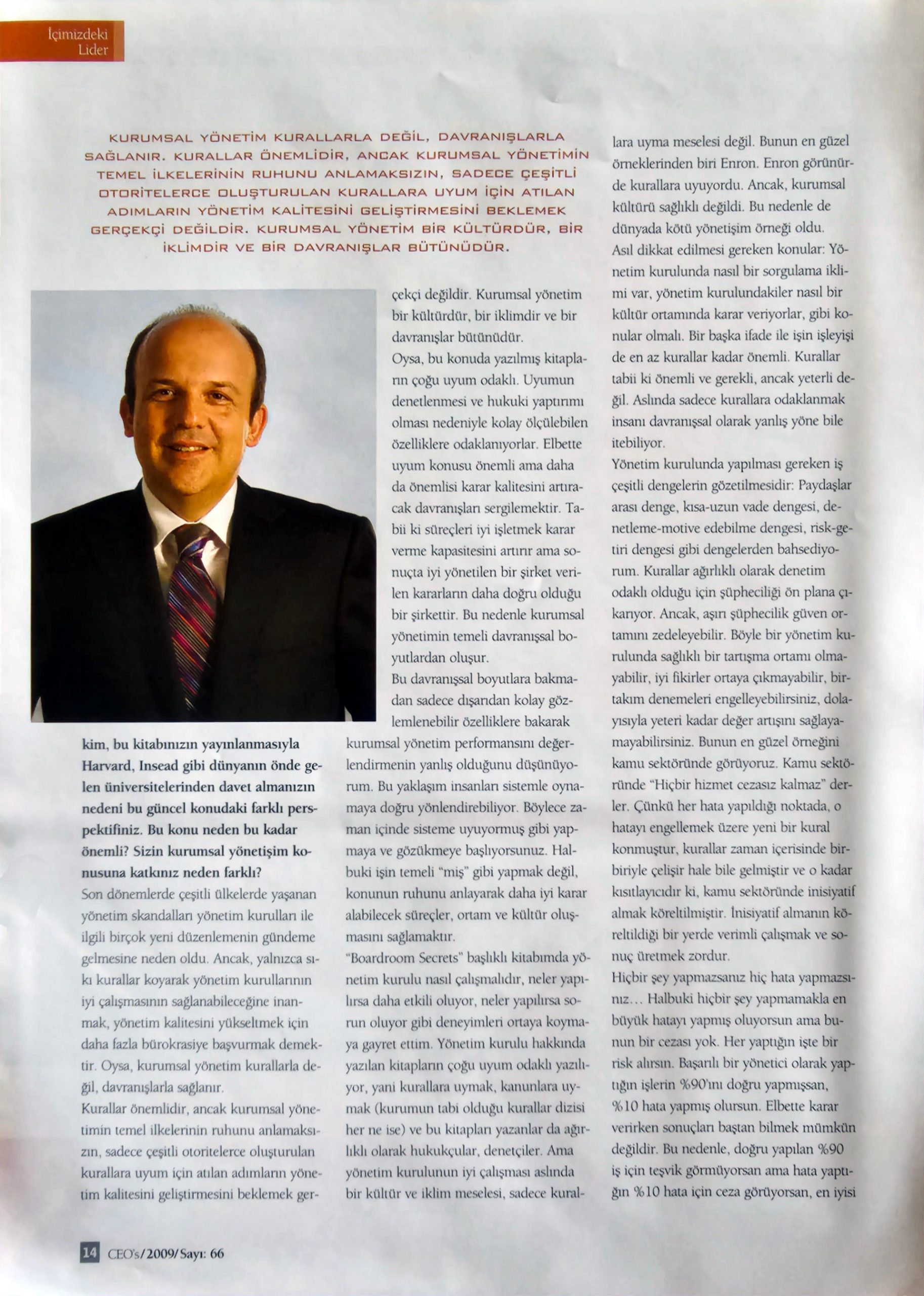


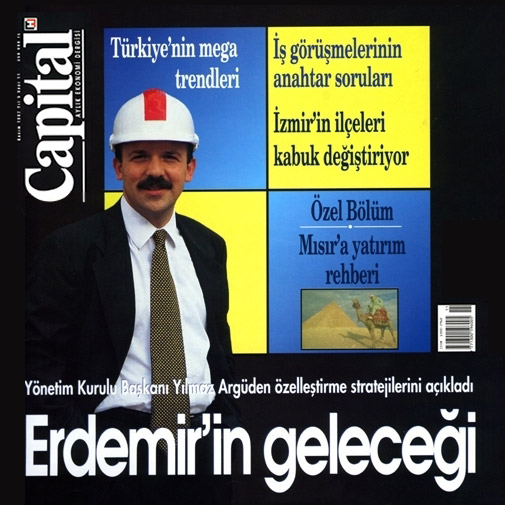
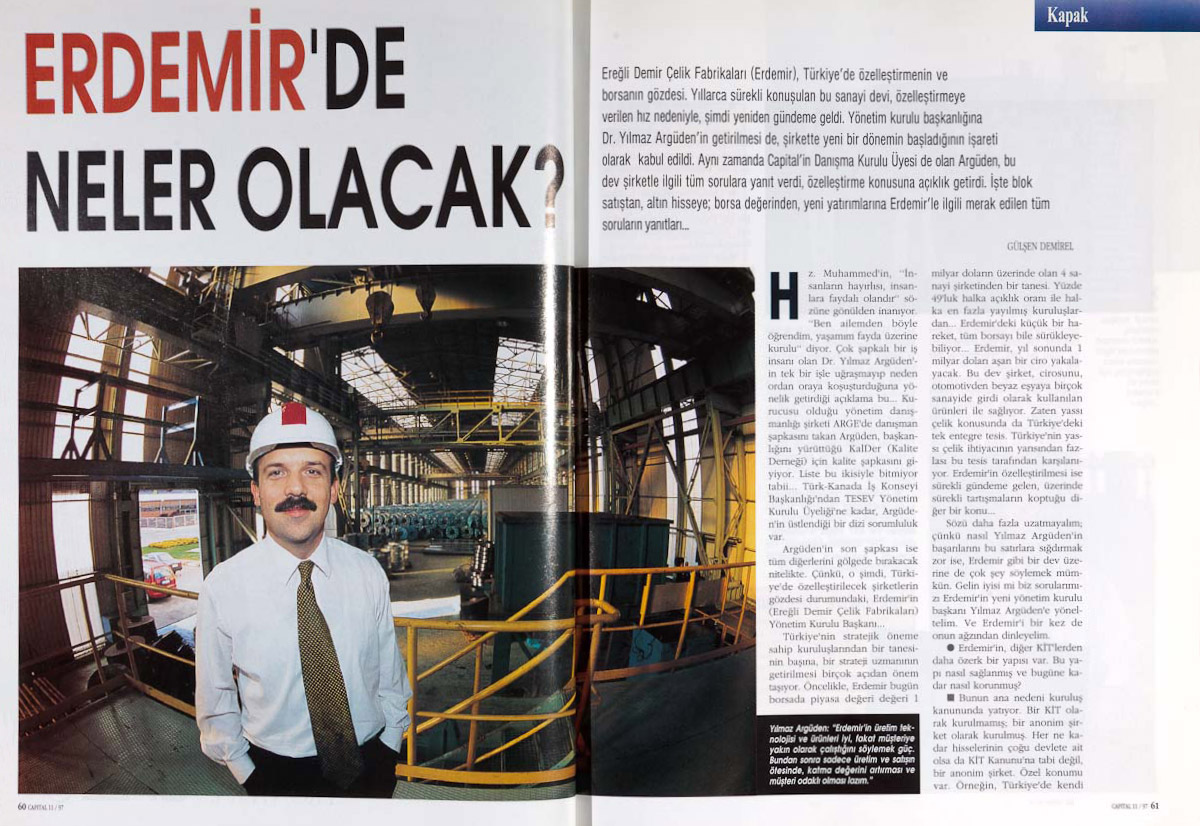
Dr. Argüden
Chairman of Erdemir

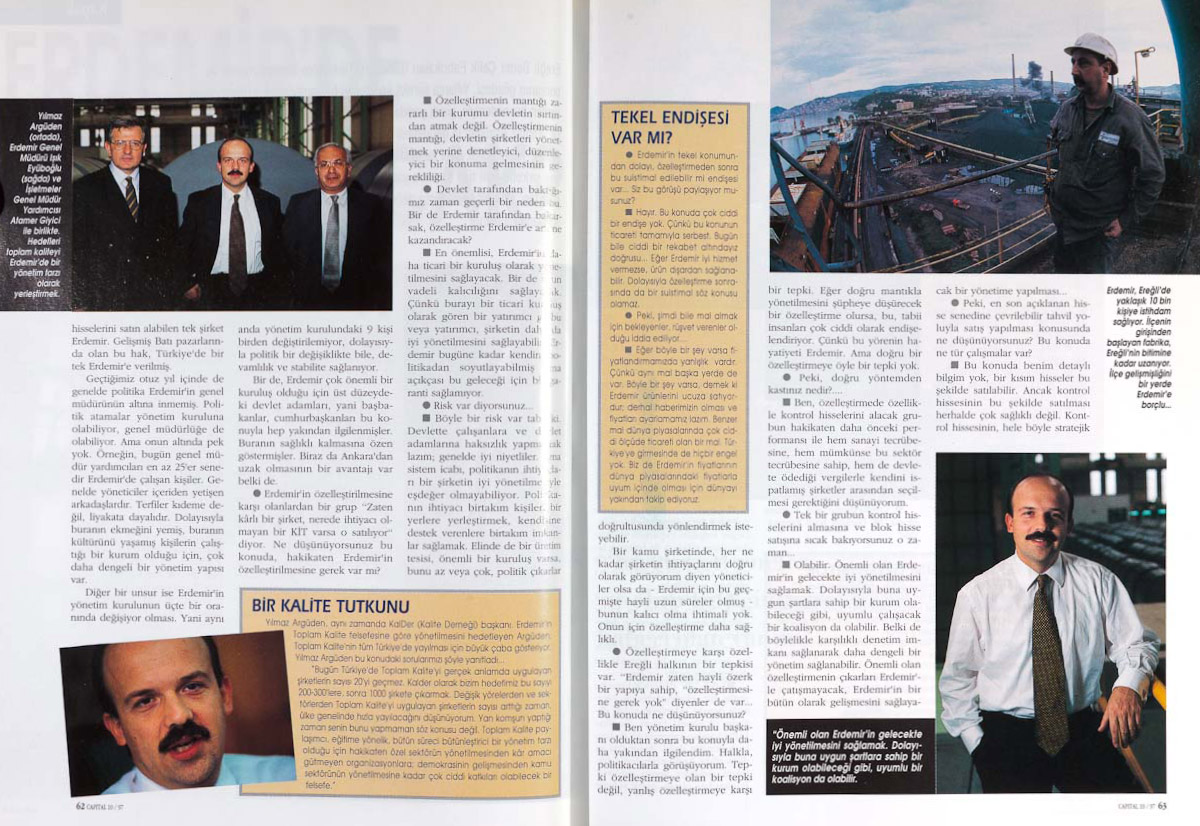


Rothschild & Co – Türkiye
Chairman
Interest in Türkiye is increasing. A leading global investment bank is setting up presence in Türkiye.
As part of its efforts to build-up a presence in the fast-growing Turkish economy, the leading international investment bank Rothschild is pleased to announce Dr. Yılmaz Argüden as its Representative in Türkiye. Dr. Yılmaz Argüden, a leading strategist, advisor and independent board member of several prominent companies, had been serving as a Senior Advisor to Rothschild since 2005.
With the founding of Turkish office in 2007, Dr. Yılmaz Argüden became the Chairman of Rothschild & Co – Türkiye.

About Rothschild
Family-controlled Rothschild is amongst the leading international investment banks with over 200 years of banking expertise, employing over 3000 employees in 25 offices around the world. As part of its strategy to render high quality specialist advice to large corporations, prominent family businesses and successful entrepreneurs, Rothschild has already developed an active presence in the Turkish Mergers & Acquisitions market. Recently, Rothschild has been the advisor to the Turkish Government on privatization options for Turk Telecom, merger of Aycell & Aria, and sale of Telsim. Rothschild has also been the advisor to the Çolakoğlu family in selling part of their shares in Türk Ekonomi Bank to BNP Paribas and to GE Consumer Finance in its purchase of shares of Garanti Bank, and more recently to Dexia on the pending acquisition of Denizbank.

UN Global Compact
Board of Directors
Geçtiğimiz yıl kurulan UNGC Ulusal Ağlar Dünya Danışma Kurulu, Dr. Argüden’i Başkan seçti. 110 ülkenin Ulusal Yerel Ağını temsil eden Kurulun Başkanı olarak Dr. Argüden, UN Global Compact Yönetim Kurulu’nda da görev yapacak.
10,000’i aşkın imzacısıyla dünyanın en yaygın sürdürülebilirlik platformu olan UN Global Compact ‘sürdürülebilir ve kapsamlı küresel ekonomi’ vizyonuyla çalışıyor.
UN Global Compact Yönetim Kurulu Başkanlığını BM Genel Sekreteri Ban Ki-moon yapıyor ve Yönetim Kurulunda Unilever, BASF, Citibank, Petrobas, Sabancı Holding, Sinopec, Dünya Ekonomik Forumu, ICC, Transparency International, UNI Global Union gibi kurumların başkanları da yer alıyor. Böylelikle, Birleşmiş Milletlerin bu önemli inisiyatifinin Yönetim Kurulunda iki Türk görev alıyor: Güler Sabancı ve Dr. Yılmaz Argüden.
Dr. Yılmaz Argüden Global Compact’i imzalayan ilk Türk şirketi ARGE Danışmanlık’ın Yönetim Kurulu Başkanı ve UN Global Compact Türkiye Başkanı olarak geliştirdiği Sektörel Yayılım Stratejisi ve Paydaşları Kaldıraçlama Yaklaşımıyla diğer Ulusal Ağlara sunduğu en iyi uygulama örnekleriyle tanınıyor.
UN Global Compact Ofisine rehberlik etmek ve yerel ağlar arasındaki ilişkileri artırmak üzere kurulan Ulusal Ağlar Danışma Kurulu’nda Global Compact Türkiye Başkanı Dr. Yılmaz Argüden, Azerbaycan, Belarus, Bosna Hersek, Bulgaristan, Ermenistan, Makedonya, Polonya, Rusya, Sırbistan, Ukrayna ve Türkiye Ulusal Ağlarından oluşan Doğu Avrupa Ülkelerini temsilen görev yapıyor. Dr. Argüden, dünyanın diğer bölgelerini temsil eden üyeler tarafından Yerel Ağlar Danışma Kurulu Başkanı seçildi.
UN Global Compact (Birleşmiş Milletler Küresel İlkeler Sözleşmesi), sürekli rekabet içindeki iş dünyasında ortak bir kalkınma kültürü oluşturmak üzere evrensel ilkeler öneren yenilikçi bir kurumsal sorumluluk yaklaşımıdır. Vizyonu, “sürdürülebilir ve kapsamlı küresel ekonomi” olan Sözleşme’ye taraf olmak tamamen gönüllülük esasına dayanmaktadır.
Bu kapsamda, insan hakları, çalışma koşulları, çevre koruma ve yolsuzlukla mücadele başlıklarında 10 temel prensip belirlenmiştir.
Bugün, dünyanın en kapsamlı gönüllü platformunu oluşturan binlerce şirket, sendika ve sivil toplum örgütü, bu evrensel ilkeleri; iş stratejilerinin, operasyonlarının ve kültürlerinin bir parçası haline getireceklerini ilan ederek UN Global Compact’e katılmaktadır.
Türkiye’den 250’yi aşkın kurum sözleşmeyi imzalamıştır. UN Global Compact, Türkiye’de de kurumsal sürdürülebilirlik kavram ve fikrinin yayılması ve kalkınma hedefine yönelik olarak iş dünyasıyla işbirliği yapılması açısından önemli katkılar sağlamıştır.
UN Global Compact Türkiye Ağı geliştirdiği yenilikçi Sektörel Yayılım Stratejisi ve Paydaşları Kaldıraçlama Yaklaşımı ile dünyadaki diğer ulusal ağlara örnek gösterilmektedir.
UN Global Compact Türkiye Yönetim Kurulu’nda Akkök, Anadolu Efes, ARGE Danışmanlık, Bilim İlaç, Borusan Holding, Coca Cola İçecek, Doğuş Otomotiv, Borsa Istanbul, Koç Holding, Sabancı Holding, TİSK, TSKB, TÜSİAD, Yüksel Holding, ZED Tanıtım ve Zorlu Holding’in temsilcileri yer almaktadır.
14 Şubat 2014

ARGE founded the Academy to improve quality of life and sustainable development
(February 16th, 2014)
Argüden Governance Academy
is Founded
ARGE Danışmanlık Şirketi’nin kurucusu ve Yönetim Kurulu Başkanı Dr. Yılmaz Argüden ile sohbet şaşmaz bir şekilde “yönetişim” üzerine döner.
Nitekim bu kez de öyle oldu. Farsçaya dahi çevrilen “Yönetişimin Anahtarları“nın (kitap İngilizce yazıldı) yazarı Argüden‘in yönetişim tarifini çeşitli vesilelerle yazmıştım.
Bir kez daha tekrarlıyorum: “Yönetişim, yönetimin üzerinde bir kavram. Yönetimin nasıl denetleneceğini, nasıl yönlendirileceğini belirleyen bir mekanizma“. Bu mekanizmada devlet, özel sektör ve sivil toplum var. Pek aşina olmadığımız şeffaflık, hesap verme, denetim, tutarlılık, yerel bazda kararlara katılım, kurumlara güven gibi kavramları içeriyor.
Türkiye’de BM’nin “Küresel İlkeler” sözleşmesini ilk imzalayan kişi olan ARGE Yönetim Kurulu Başkanı’nın yeni göz ağrısı “Argüden Yönetişim Akademisi“.
“Amacım yönetişim kavramının Türkiye çapında yayılması. Üniversitelere dersler konsun, sivil toplum, bürokrasi bunun eğitimini alsın. ARGE olarak birikimimizi gönüllü sunmaya, eğitim vermeye hazırız ” diyor Argüden. Yönetişimin “Don Kişot”u olarak.
Akademi tam bu sıralar OECD‘nin “iyi yönetişim ilkeleri“ni İngilizceden Türkçeye çeviriyormuş. Biter bitmez Ankara‘da çeşitli çevrelerle paylaşacak.
Yönetişim konusunda Kuzey Avrupa ülkelerinin eline hiçbir ülke su dökemez. Ancak Argüden‘in verdiği bilgiye göre, Yeni Zelanda bu konuda “devlet bilançosuyla” bir ilke imza atmış. Nedir bu bilanço derseniz? Devlet halkıyla bugün aldığı kararların gelecekteki etkilerini paylaşıyor.
Şöyle bir örnek vereyim. Bugün çok tartışılan Kanal İstanbul gibi bir proje gelecekte İstanbul‘u, insanları, Marmara Denizi‘ni ve en önemlisi bütçeyi nasıl etkileyecek? Yeni Zelandalı olsaydık öğrenebilirdik belki!
Bu arada ARGE‘nin yönetişimle ilgili danışmanlık verdiği kamu kurumları arasında Elazığ Belediyesi’nin de olduğunu öğrendim. Elazığ, birkaç yıl önce hapis dahil 40 kadar kişinin çeşitli cezalara çarptırılmasıyla sonuçlanan büyük bir yolsuzluk skandalıyla sarsılmıştı. ARGE önümüzdeki ayın sonunda Elazığ‘da düzenleyeceği kurultayda şehrin stratejik planının hangi yöntemlerle uygulanacağını ele alacak. Sanırım Elazığ Türkiye’de yönetişimle ilgili böyle bir açılım yapan ilk şehir olacak.
Yolsuzluk skandalından iyi bir ders çıkartmış. Darısı tüm Türkiye’ye diyeceğim…
Gila Benmayor,
Hürriyet Gazetesi, 21.10.2014
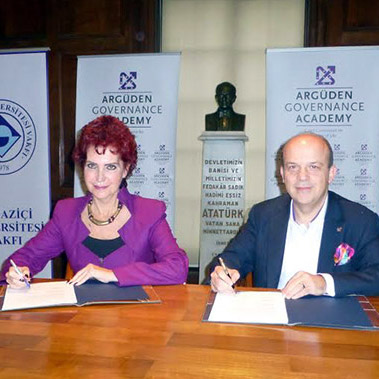
Argüden Governance Academy
Established Fund at BÜVAK
Rektör Prof. Dr. Gülay Barbarosoğlu ve ARGE Danışmanlık Şirketi Yönetim Kurulu Başkanı Dr. Yılmaz Argüden’in katıldığı imza töreni ile BÜVAK bünyesinde Argüden Yönetişim Akademisi Şartlı Bağış Fonu oluşturulmasına yönelik anlaşma imzalandı.
Boğaziçi University News / December 1st 2014
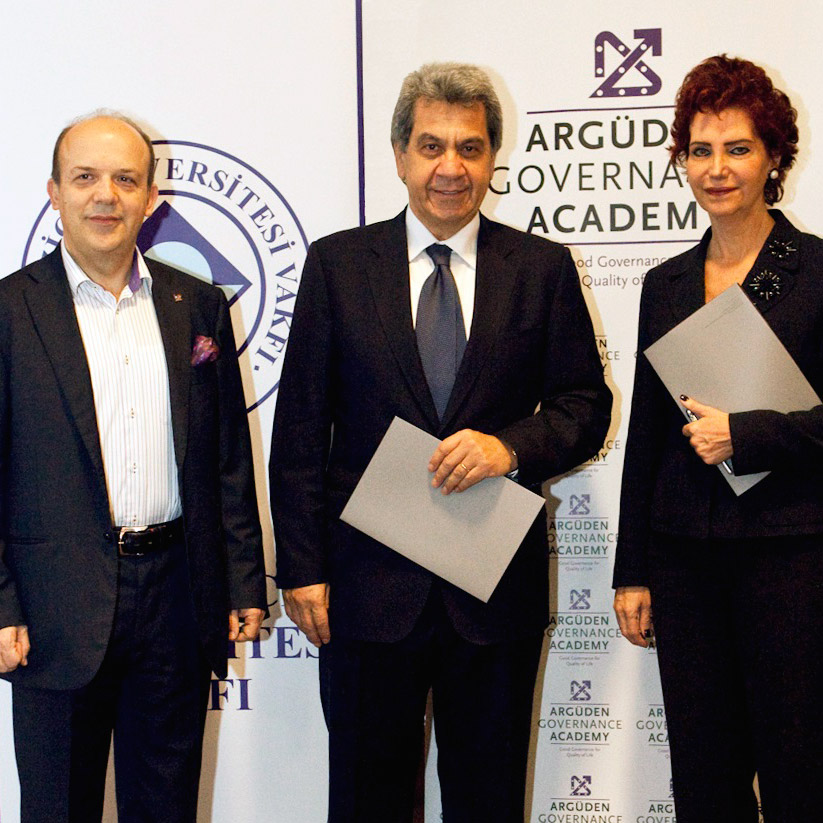
Huge Donation from TIRSAN
for Good Governance
In Türkiye, donations are generally given to schools or hospital buildings. It is customary to write the names of the donors at the top of the buildings.
However, this general trend was not obeyed recently in Türkiye, when $1.5 million was donated to develop and spread the concept of “governance” in Türkiye.
The founder of the Argüden Governance Academy, Dr. Yılmaz Argüden, said this was an important milestone in the “history of donors” because this donation was not given, as we are used to, to a physical venue, but rather to the development of intellectual capital.
One of the founders of the Turkish Society for Quality (KalDer), Argüden is the person who initiated the “National Quality Movement” in Türkiye. With this movement spreading to thousands of companies and institutions and proving to be extremely successful, Türkiye is one of the two countries that have received the most awards in Europe.
After quality, Argüden is focusing on “governance.” He has written a book in English on this subject titled “Keys to Governance – Strategic Leadership for Quality” (Palgrave Macmillan).
This concept is a bit abstract for many of us, but Argüdensaid in short it was a mechanism that determines how administrations should be provided guidance and oversight.
He set up the “Argüden Governance Academy” in the beginning of the year. In a recent conversation he said, “Trust is the foundation of development. Especially trust in institutions. Why is London a financial center and Amsterdam a commerce center? Because there is trust for institutions there. Those trusted societies and institutions attract financial or intellectual resources; they trigger development.”
To build confidence, according to Argüden, each institution should adopt the principles of good governance, such as consistency, responsibility,accountability, fairness, transparency, and participation.
Argüden Governance Academy, even before its first anniversary, was able to startcooperating with significant international institutions, such as the IFC, OECD, University of Toronto the Rotman School.
It is a non-profit organization that is translating OECD good governance principles from English to Turkish.
There are leading figures in governance, such as Professor Mervyn King and Professor David Beatty on its advisory board. The first donation was made by ARGE Danışmanlık to a fund set up by the Academy under the umbrella of the Boğaziçi University Foundation. It was a small donation in its way, said Argüden, but the huge $1.5 million donation came from TIRSAN, Europe’s fourth-largest trailer producer.
Çetin Nuhoğlu, chairman of TIRSAN, was the chair ofKalDer after Argüden. He is also the chair of the International Transporters Association (UND).
TIRSAN has a capacity to produce nearly 16,000 trailers yearly and exports to 51 countries. Nuhoğlu trusts the Academy, as well as believing in the significance of governance.
It is for the benefit of all of us that these kinds of generous donations increase from the business world to the fund Argüden Governance Academy has founded.
Gila Benmayor,
Hürriyet Daily News, 23.12.2014
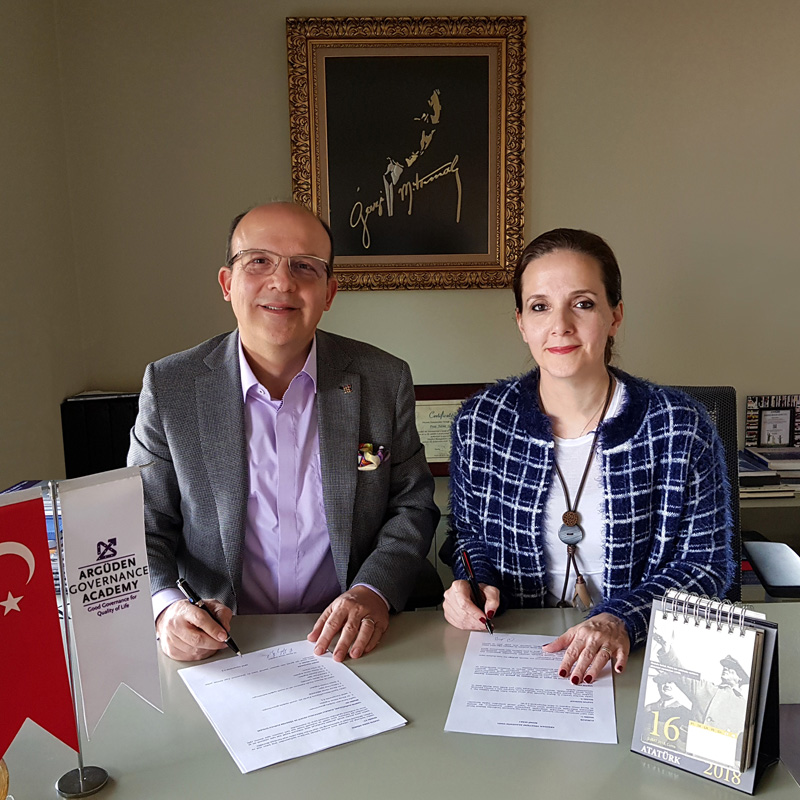
Argüden Governance Academy
an Independent Foundation
The Academy started its operations under the aegis of Boğaziçi University Foundation and transformed into an independent foundation in its 5th year.


Good Governance
for Quality of Life!


CEOs need to Manage not only
Company but also Stakeholders

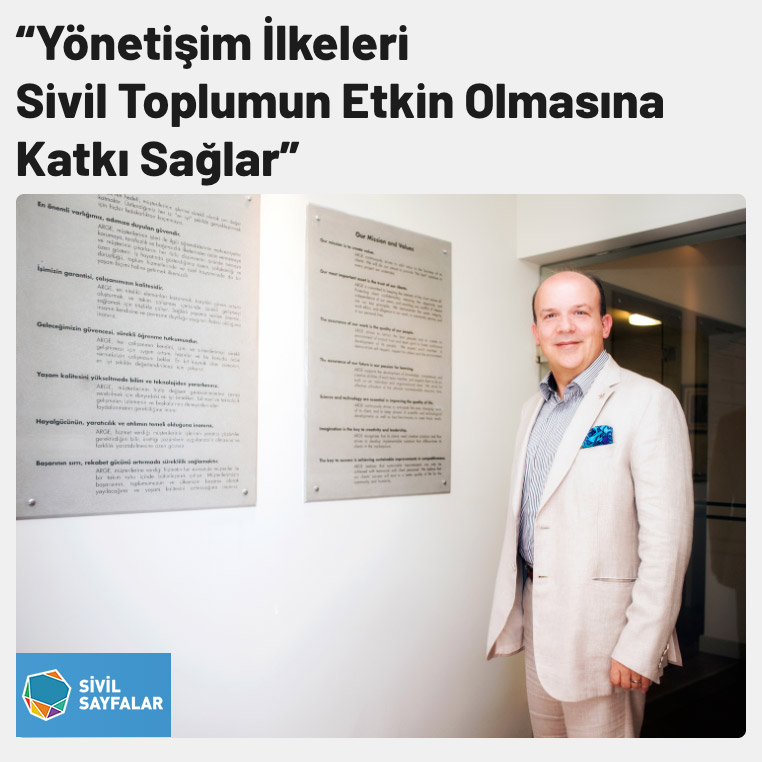
Good Governance in NGOs is
Key for Participatory Democracy

Good Citizenship Requires Assuming Responsibility
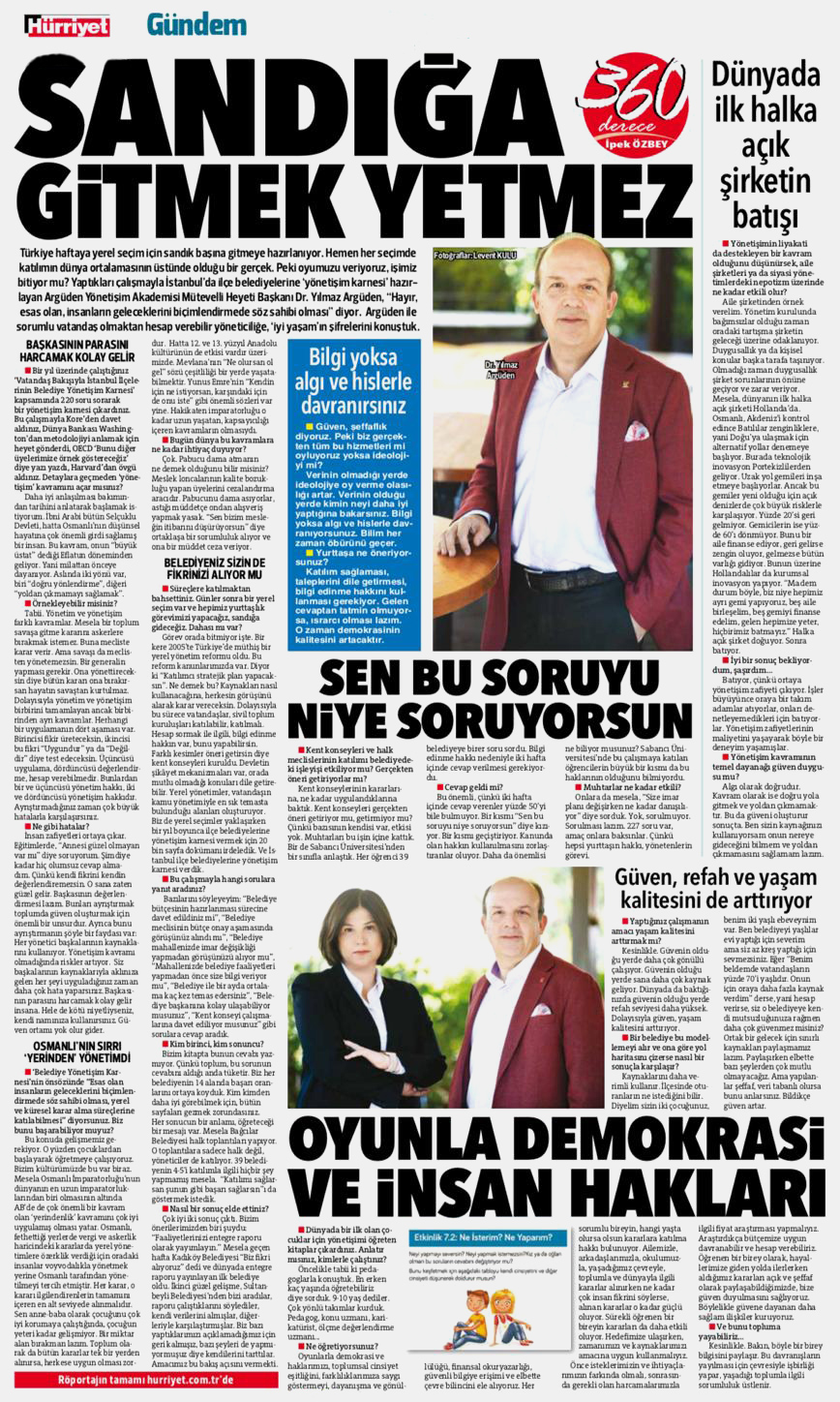

Municipality Governance SC
Best-in-Class Example At OECD
OECD’s Observatory of Public Sector Innovation (OPSI) picked the Municipality Governance Scorecard as a best-in-class example of innovative approaches in local governments.
Citizen-Centric Good Governance and Quality of Life
Argüden Governance Academy’s scorecard research examined practices of 27 metropolitan municipalities in Türkiye. It is observed that all municipalities, including those with the highest scorecards, have significant areas of improvement in good governance.
Good governance is a culture and a climate in which such a culture flourishes. Governance is derived from the word ‘kybernao’ that dates back to the times of Plato and incorporates the concepts of providing guidance and oversight. Humans form institutions for two basic reasons: (i) to better utilize the resources and (ii) to manage the risks collectively. Institutions would be able to serve these purposes better if they have the trust of their stakeholders. As a culture of living together good governance needs not only leaders dedicated to such a culture but also a climate in which such culture is kept alive. The 13th century Turkish folk poet Yunus Emre summarizes the basic understanding of good governance eloquently with his words: “Regard the other as you regard yourself. This is the meaning of four Holy books, if there is any.”
Institutions that adopt good governance assume responsibility to help solve the problems of the society. The steps they take while fulfilling such responsibilities are consistent and fair, they are transparent and accountable for their decisions and the resources they utilize, and the results of these decisions taken with the participation of their stakeholders are implemented more effectively. In short, trusted institutions become more successful and sustainable.
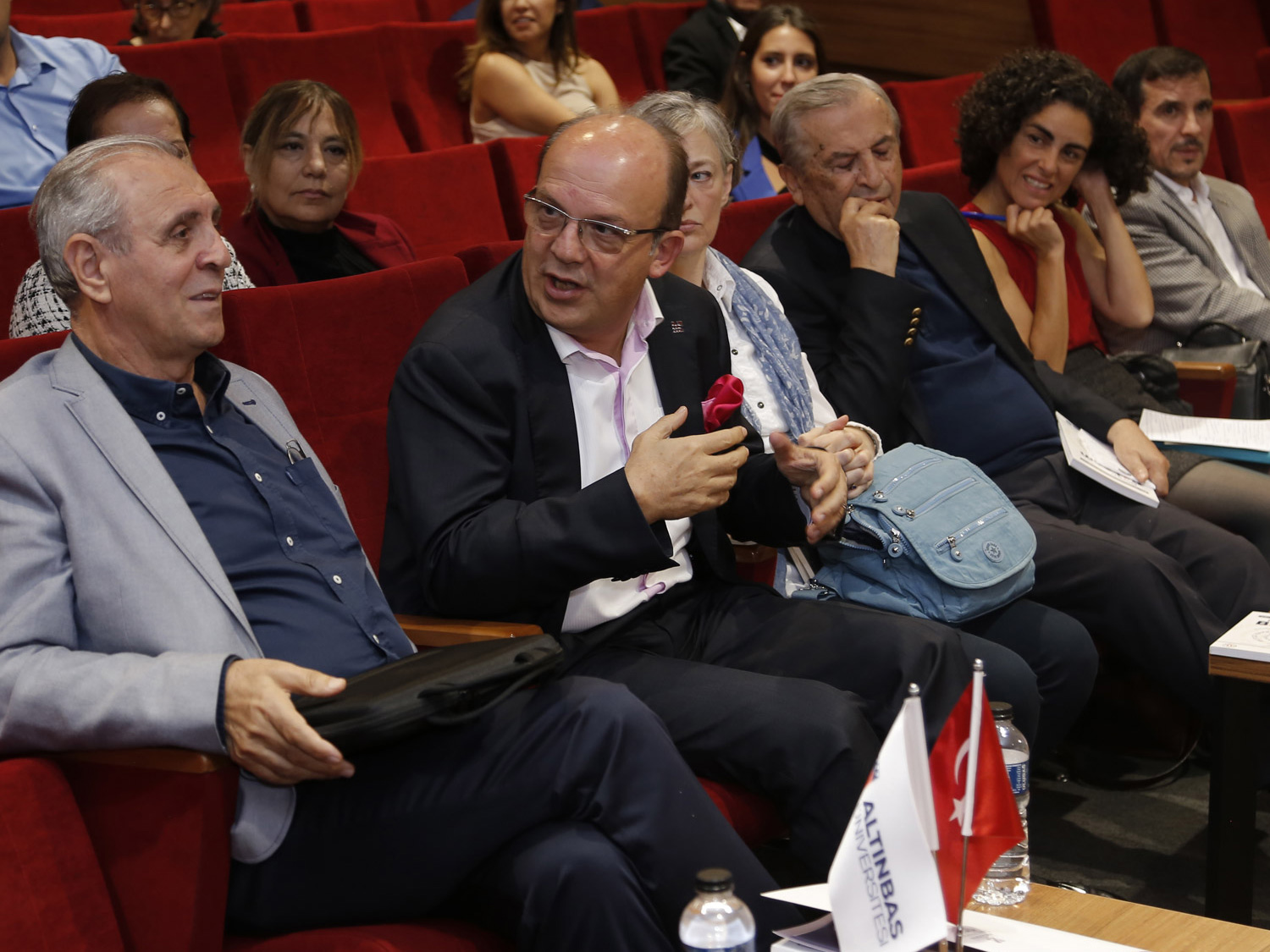
Governance of metropolitan municipalities determines quality of life
Three-quarters of the world’s population lives in metropolitan areas. Adoption of good governance culture in metropolitan cities directly affects the quality of participative democracy, trust of the citizens, and quality of life in these metropoles. Therefore, improving the quality of governance in metropolitan cities means improving the quality of life of at least three quarters of the world’s population.
When good governance culture is strengthened in the metropoles, our policies and actions would be more inclusive, sustainable, and effective for sustainable development.
Metropolitan Municipality Governance Scorecard helps peer learning
To help improve the quality of life in cities through strengthening good governance in metropolitan cities, Argüden Governance Academy has developed an innovative governance measurement and evaluation tool. The Metropolitan Municipality Governance Scorecard is a citizen-centric governance model that can be used by every metropolitan municipality in Türkiye and in the world.
The Model takes into account the Sustainable Development Goals developed by the United Nations, OECD’s Better Life Index, European Council’s Good Governance Principles, EFQM’s Excellence Model, as well as the Turkish legal requirements that are in congruence with these. The Model focuses on whether the decision-making, resource utilization, and activities are consistent, responsible, accountable, fair, transparent, effective, and inclusive.
Scorecards do not measure the performance of municipal administrations or mayors, but rather measure the way policies, resource allocation, and implementation are conducted. As performance is context specific (depending on the initial conditions and the needs of each geography) and subjective (due to different impacts of policies on different groups of people), measuring the ‘how’ of policies is more instructive and enable benchmarking and learning than comparing the performance. Therefore, the Model helps speed up peer learning among the metropoles.
The scorecard project examined the governance practices of 27 metropolitan municipalities administered by elected mayors in Türkiye, through analysis of publicly available data published by municipalities and easily accessible to citizens. A citizen-centric measurement tool of how the system works contributes to democratization, sustainable development, and human welfare, starting from the local level.
Even the best ones have ample room for doing better
Within the scope of the research, Adana, Ankara, Antalya, Aydın, Balıkesir, Bursa, Denizli, Erzurum, Eskişehir, Gaziantep, Hatay, İstanbul, İzmir, Kahramanmaraş, Kayseri, Kocaeli, Konya, Malatya, Manisa, Mersin, Muğla, Ordu, Sakarya, Samsun, Şanlıurfa, Tekirdağ, and Trabzon metropolitan cities were examined. According to the results of the research, good governance culture and practices of 27 metropolitan municipalities range between 35-74 percent, while more than half of them are in the range of 45-64 percent.
The best group received scores between 65-74 percent included only 5 metropolitan municipalities, namely Ankara, Antalya, Eskişehir, İstanbul and Kocaeli Municipalities in alphabetical order. However, it is observed that all municipalities, including those with the highest scorecards, have significant areas of improvement in good governance.
The project concludes that for sustainable development and better quality of life all municipalities need to
• Improve quality of citizen participation,
• Improve quality of information that is made available to the citizens,
• Improve their processes and adopt integrated thinking
in order to have a meaningful stakeholder engagement with the citizens and interested NGOs and strengthen participative democracy, as well as trust between the citizens and local governments. The report also provides recommendations to the public administrations both local and central, as well as for the NGOs and citizens.
This unique Model developed by Argüden Governance Academy helps measurement of governance at metropolitan municipalities to enable benchmarking and peer learning. As such it is an innovative attempt to improve quality of life throughout the metropoles in the world.
Dr. Yılmaz Argüden, Yetkin Report
October 5th, 2022
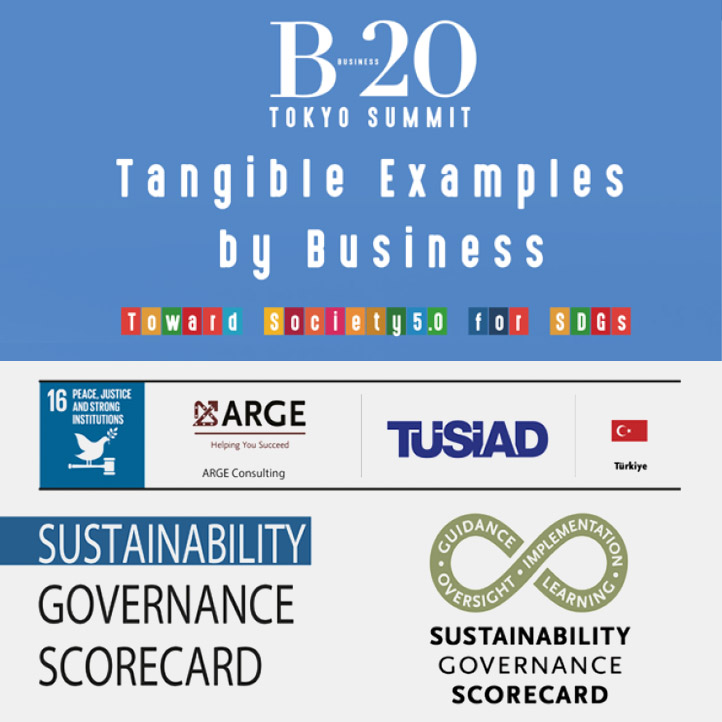
Sustainability Scorecard
Role Model at G20
With its original methodology, the Sustainability Governance Scorecard© was selected among exemplary projects at the Tokyo B20 Summit due to its impact on guiding global companies towards a better world.
Sustainability Governance Scorecard
Sustainability is critical not only for the livelihood of the humanity and the planet, but also for the long-term success of the corporation. Yet, typically sustainability is seen as a side issue that needs to be addressed alongside running the business, rather than totally shifting the way the business is conducted.
Good governance is the key to the sustainability of sustainability efforts.
Therefore, Argüden Governance Academy has developed the Sustainability Governance Scorecard© to identify how the best companies (Global Sustainability Leaders) govern and conduct their sustainability efforts. This impact research aims to bring insight and information to the attention of decision makers to motivate action and improve effectiveness of implementation.
Our approach is intended to be utilized as an improvement tool for better governance of sustainability issues. The SG Scorecard does not aim to measure the companies’ sustainability performance but seeks the presence of an environment and a climate of sustainability governance where sustainability efforts can flourish. The report includes best-practice examples of various sustainability governance steps to accelerate learning from peers.
We hope that the SG Scorecard will help improve the state of the world by speeding up peer learning from the global leaders.
 Dr. Yılmaz Argüden, Gizem Argüden Oskay
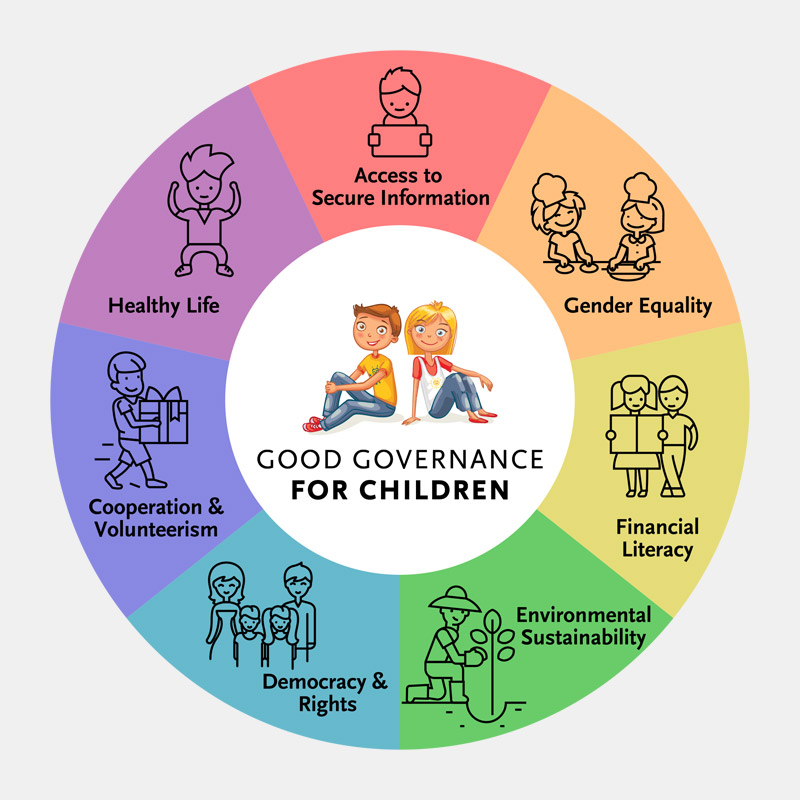
Good Governance For Kids
Gets Implemented Countrywide
An innovative program to introduce Good Governance culture and principles to kids was developed by the Argüden Governance Academy.
The program is implemented throughout the country in collaboration with SEV, ÖSGD, Eskişehir Municipality, İTÜ GVO, KalDer, Güngören Municipality, and Darüşşafaka Eğitim Kurumları.
Good Governance for the World Children
Our ground breaking approach to introduce children to good governance culture gets adopted by KidZania throughout their global operations. “Good Governance for Children” is a 20 week curriculum of games to guide the responsible leaders of the future. We are happy to contribute to the development of children all over the world in human rights, children’s rights, participation, democracy, living together, participative decision making, protecting rights, solidarity, volunteering and social responsibility.

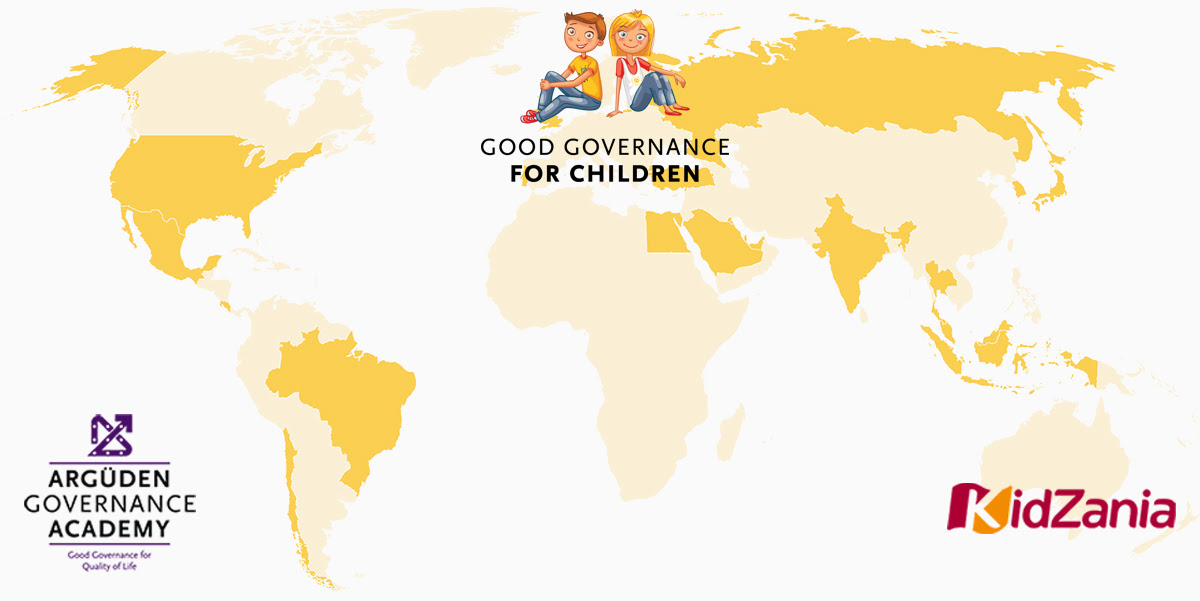

Good Governance Practices
for the Leaders of the Future
Bugünün ve yarının liderleri olan üniversite öğrencilerinin güvenilir ve sorumlu bireyler olarak gelişimlerine destek olmak amacıyla; Argüden Yönetişim Akademisi, öğrencilerin yönetişimi, uygulayarak öğrenebildikleri eğitim programıyla daha iyi bir gelecek için çalışıyor.
9 haftalık eğitimde öğrenciler yönetişim kavramını içselleştirerek, daha güvenilir bir lider olma yolunda önemli bir adım atıyorlar. YÖN101 Eğitim Programında, iyi yönetişim ilkeleri ve uygulama adımlarına dair yapılan tüm çalışmalar yeni nesil sorumlu liderlerden beklenen yaklaşımları içeriyor.
Program, katılımcıların iyi yönetişim bakış açısıyla liderlik becerilerini geliştirirken; değer yaratma döngüsü, strateji yönetimi, gönüllü yönetimi, performans değerlendirme, süreç yönetimi, organizasyon ve entegre raporlama gibi konuları da kapsıyor. Katılımcılar YÖN101’de öğrendiklerini, sadece eğitim sırasında uygulamalarla deneyimleyerek pekiştirme fırsatı bulmuyor, aynı zamanda eğitim sonrasında da içinde yer aldıkları öğrenci kulübü, dernek, vakıf, şirket ya da girişimlerde uygulama şansı yakalıyor.
YÖN101 Planlama Toplantısı

Udemy üzerinden ilk online eğitim


Academy Publishes the
First Turkish Integrated Report
Argüden Governance Academy prepared the Integrated Report covering their first full year of operation in accordance with the fundamental concepts, guiding principles, and structure of International Integrated Reporting Framework.
Academy is amongst the pioneer NGOs in the world with the first Turkish Integrated Report.
As the founding member of the Turkish Integrated Reporting Network (ERTA), Argüden Governance Academy aims to share its experience via education programs on Integrated Reporting with civil society organizations and private sector.
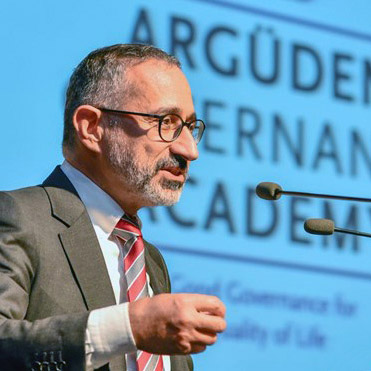
Speed Record in
Publishing an Integrated Report
Argüden Governance Academy published its 2019 Integrated Report in record 40 days. Institutions that adopt an integrated thinking culture can measure and improve the impact of their work for all stakeholders and future generations. Integrated reporting is a product of integrated thinking culture, it provides stakeholders with clear and concise data about the organization.
We work with the understanding of “One can only improve what is measured” since our foundation. In addition to advocating integrated thinking culture in Türkiye and the world, we support NGOs and public institutions to adopt Integrated Thinking as well. We are happy to share our 2019 Integrated Report, which is a product of this approach.

Argüden Governance Academy Chairman Prof. Metin Çakmakçı:
“We would like to be a role model with the quality of our integrated reporting on a timely basis. We wished to set an example with the publication of our 2019 audited Integrated Report in forthy days after the closing of the year.”
NTV, February 12th, 2020

Knowledge Partner, Int’l. Integrated Reporting Council
Argüden Governance Academy became a Knowledge Partner for the IIRC with its intellectual contributions and pioneering efforts for Integrated Thinking. ARGE Consulting played an instrumental role in bringing Integrated Reporting as a recommendation to G20 Leaders. ARGE later became an IIRC Certified Training Partner, one of the first 10 globally and the only Turkish institution to do so.
Sustainability Governance Scorecard, launched at the Global Conference of IIRC, improves the state of the world by speeding up peer learning from the global leaders.
- First Turkish institution to prepare an Integrated Report (2015).
- Among the first 10 NGOs globally to publish an Integrated Report.
- Exemplary for preparing its Integrated Report in 40 days.
- Integrated Reporting Turkish Network (ERTA) founding member.
- Vice-Chair of ERTA Education Committee with TÜSİAD.
- Advocating for Integrated Reporting in public sector, local governments, and NGOs.
A Global First
From a Turkish Municipality
Kadıköy Became the First Municipality to Issue an Integrated Report
Kadıköy Municipality prepared the first Integrated Report for a local authority in the world. An integrated report is a concise communication about how an organization’s strategy, governance, performance, and prospects lead to the creation of value over the short, medium, and long term. The Model© that was developed for Kadıköy benefited from OECD Better Life Index, EFQM Excellence Model, and Sustainable Development Goals (SDGs)
“An Example for Other Public Autorities”
During the Press Conference, the Mayor Nuhoğlu presented the outcomes of the Kadıköy Municipality Integrated Report and expressed the fact that “We are proud to be the first municipality in the world to adopt Integrated Reporting which shows our commitment to transparency and accountability to our citizens and future generations.”. The Mayor also wished that “The Report will become an example for other public authorities to explain their activities and use of not only their financial resources, but also their social, natural, and human resources”. The Conference attracted the participation of Members of Parliament, Municipal Council Members, the Candidate Mayor of CHP and civil society organisations.
Kadıköy Citizens Expect More Than Essential Services
ARGE Consulting developed the Municipality Integrated Reporting Model© that adopted the International Integrated Reporting Council’s model and enriched it with the OECD Better Life Index, UN SDGs, and EFQM Excellence Model in preparing the Integrated Report for Kadıköy Municipality. Chairman of ARGE Consulting, Dr. Argüden said “Having promoted Integrated Reporting as the B20 Knowledge Partner during Turkish Presidency in 2015, we are happy to see Kadıköy becoming the first example of a local government to adopt it.” According to the Report’s findings, Kadıköy residents expected more than essential services and the Municipality’s activities were properly directed at raising the quality of life in general at the district.
Integrated Report: the Municipality Created Value for its Citizens
The Integrated Report focuses on the value creation for improving the quality of life in a sustainable world. At the Report, the district was analysed in different dimensions such as demographics, spatial, environmental, and economic aspects. The impact of Municipality’s policies and activities were evaluated for different segments of citizens. The results were measured according to the OECD’s Better Life Index criteria, UN’s Sustainable Development Goals, and European Foundation for Quality Management’ Excellence Model. The Report confirmed that the Municipality improved its citizens individual well-being, social welfare, urban development, and sustainable life. It also expressed the Municipality’s participatory governance mode, civil society partnership culture, and continuous institutional development efforts.
“Advocated Public Values, Defended Public Spaces”
Mayor Nuhoğlu, who served between 2014-2019, told the participants that “when Kadıköy was ranked at the top tier by the Municipality Governance Scorecard published by the Argüden Governance Academy last year, we decided to adopt Integrated Reporting which was one of the recommendations of the report to further improve our performance”. He also added that during his term, the Municipality used the public resources in appropriate activities with utmost responsibility.and defended many historical and green spaces for the benefit of public use with the support of the citizens, City Council and civil society organisations.
A Municipality Without Debt
The Report contains detailed information about the Municipality’s financial governance. It was singled out as a fact that the Municipality carried out wide spectrum of services and made important investments without any debt. This was an eye-catching fact given the current situation in Türkiye and the world.
Innovative Municipality for Future
In addition to the activities and their impacts, the Report also highlighted that the Municipality has been innovative in its service provision and developing new approaches such as Ecological Day Nursery, Alzheimer Centre and Participatory Climate Action Plan. The Integrated Report also indicated that participation and transparency principles were crucial in creating strong partnership for common good while contributing to the sustainability efforts at global scale.
During the Press Conference, the Mayor Nuhoğlu presented the outcomes of the Kadıköy Municipality Integrated Report and said “We are proud to be the first municipality in the world to adopt Integrated Reporting which shows our commitment to transparency and accountability to our citizens and future generations.” The Mayor also wished that “The Report will become an example for other public authorities to explain their activities and use of not only their financial resources, but also their social, natural, and human resources”. The Conference attracted the participation of Members of Parliament, Municipal Council Members, the Candidate Mayor of CHP and civil society organisations.

Council of Europe Accredited the Academy for ELoGE in Türkiye
Council of Europe accredited Argüden Governance Academy to lead the establishment of the Turkish network and the process of granting European Label of Governance Excellence in Türkiye.

Independent jury established by the platform decided to grant Sultanbeyli and Şişli Municipalities the right to use European Label of Governance Excellence – ELoGE for a year as pioneering municipalities in Türkiye.
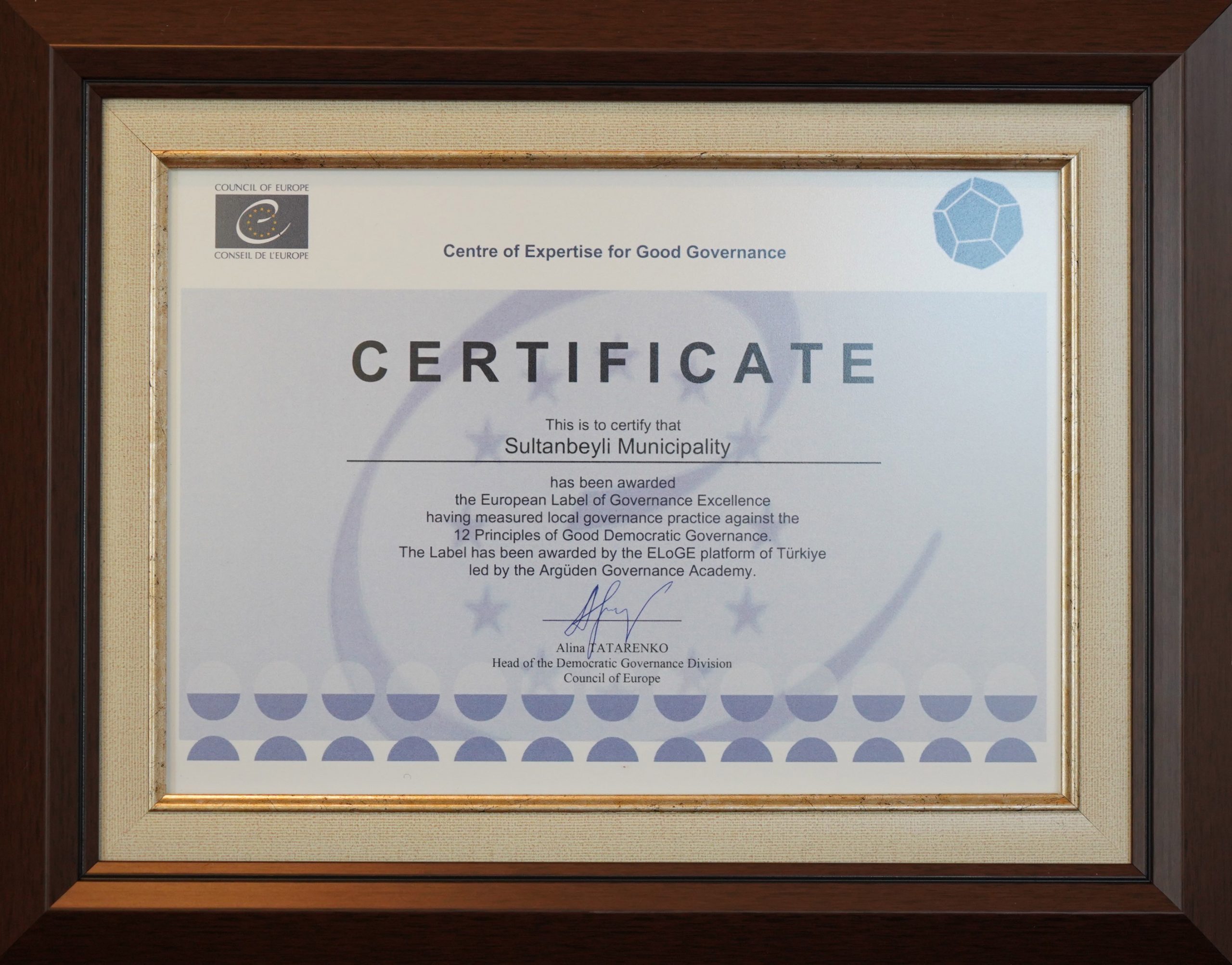
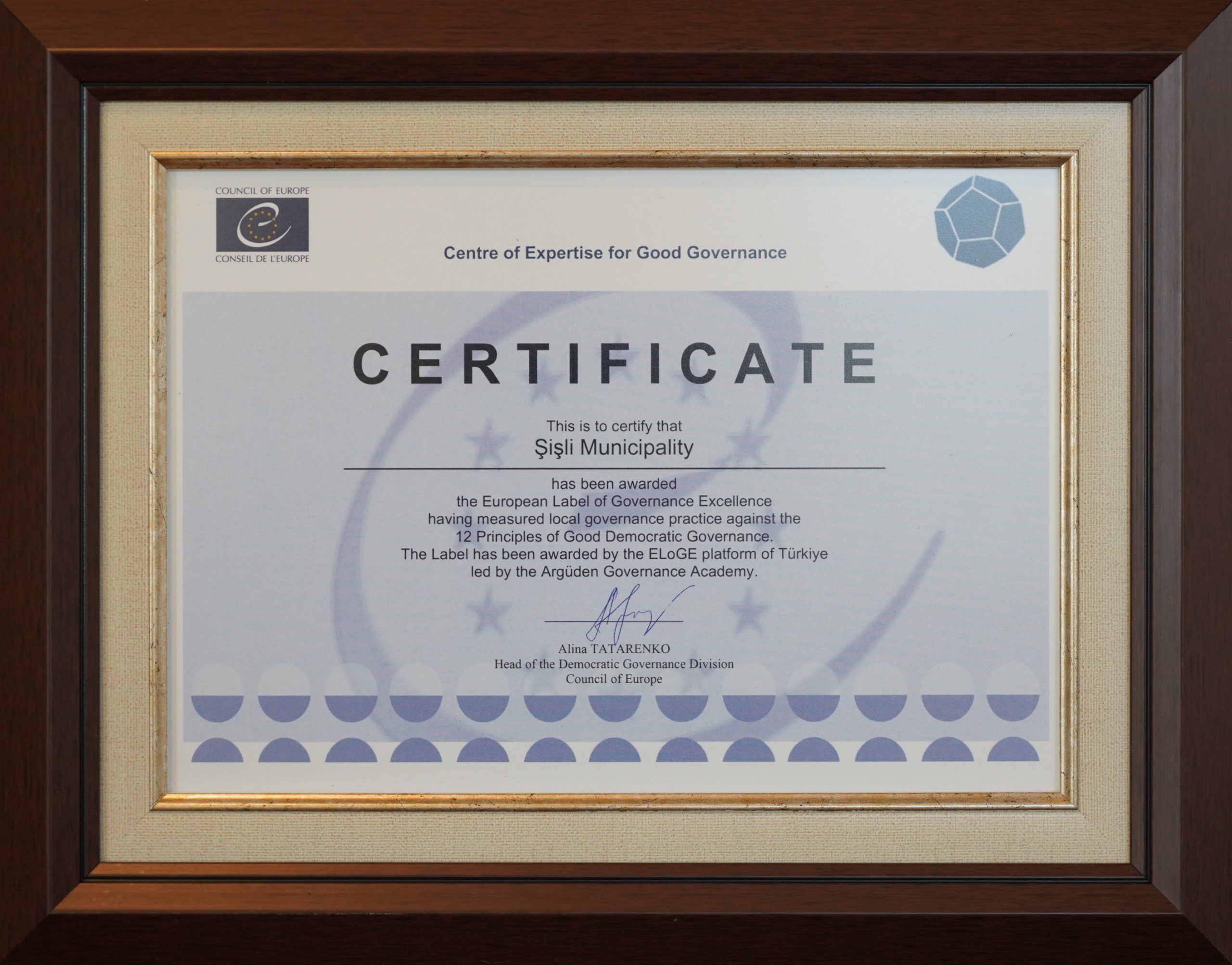
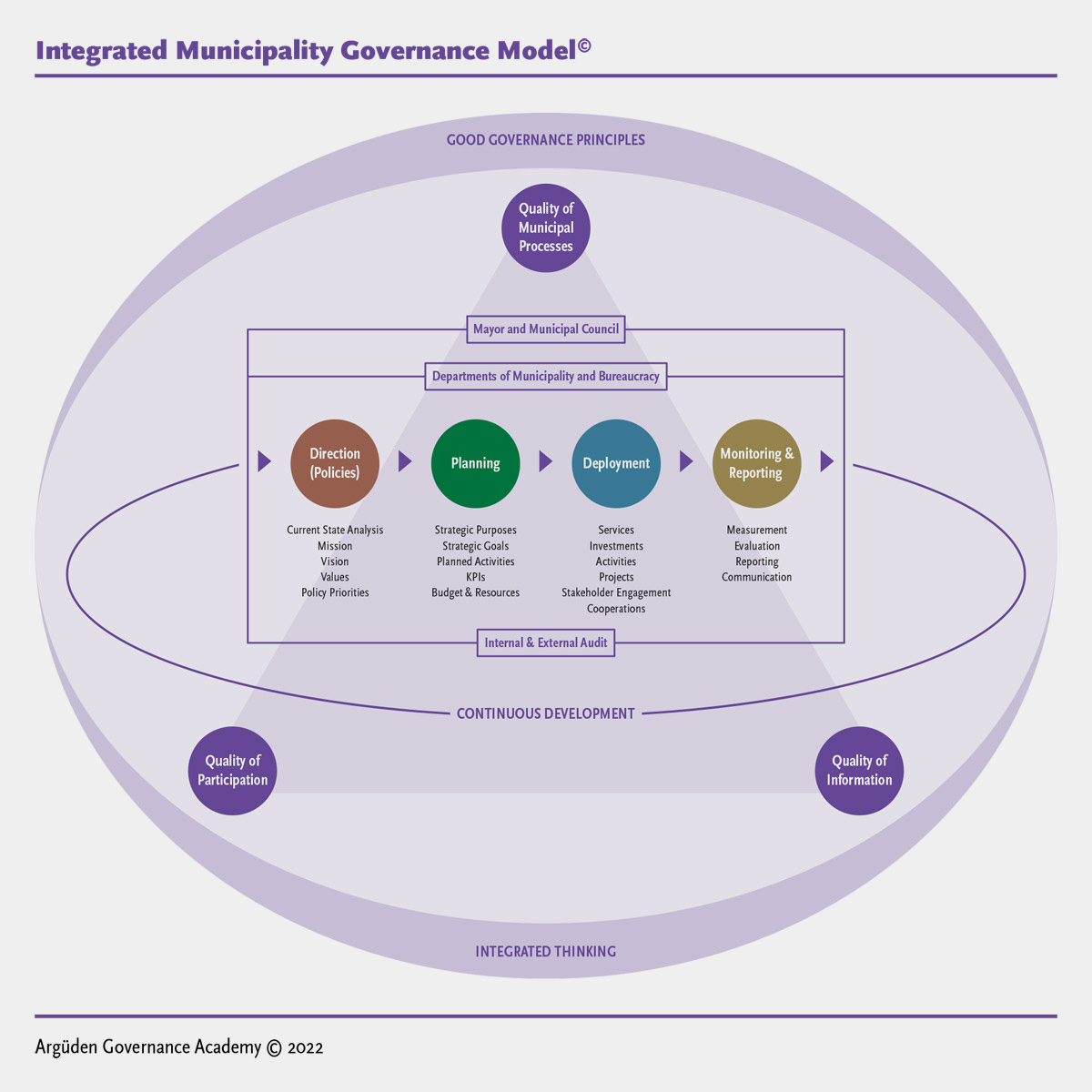
The Cradle of Democracy: Municipalities
Two municipalities in Türkiye, Sultanbeyli and Şişli Municipalities, acquired ‘European Label of Governance Excellence’ (ELoGE) utilizing Integrated Municipal Governance Model which is developed by Argüden Governance Academy.
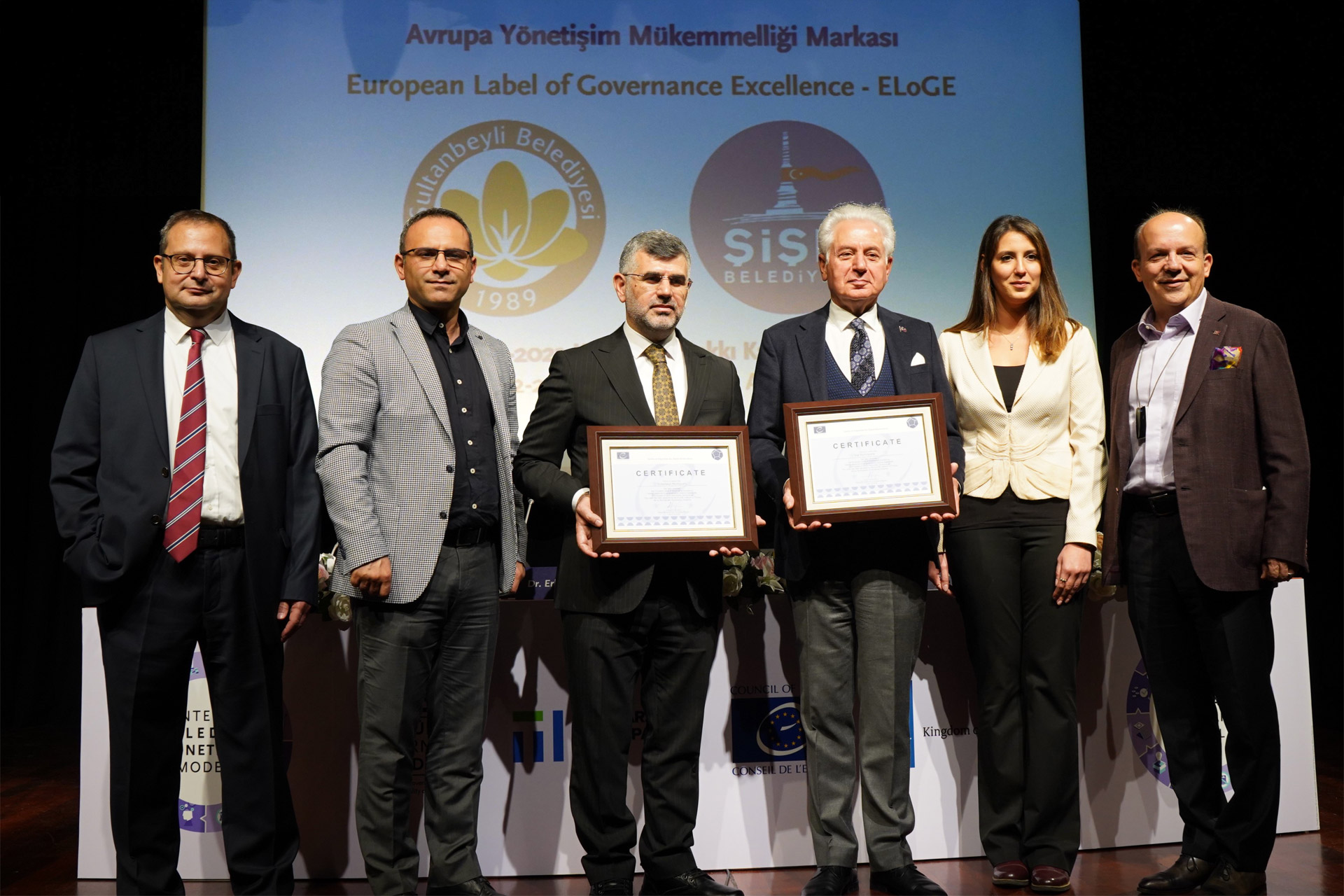
In the current global context, preserving and promoting the democratic system is of utmost importance to improve the quality of life. Building trust is the key to reinforcing democracy, as trust is the foundation of sustainable development. Trust for democracy could only be built by adopting good governance with a (i) whole of society, (ii) whole of government, and (iii) whole the policy cycle approach that focuses on (a) informed, inclusive stakeholder engagement, (b) evidence-based decision making supported by ex-ante and ex-post impact analysis, and (c) integrated thinking to support continuous learning.
Municipalities are the institutions that people have the closest relationship with the public authority. Therefore, adoption of a citizen-oriented local governance approach is critical for building trust and for the development of democracy and the culture of living together with the people with whom we share common resources.
By implementing the Integrated Municipality Governance Model©️ developed by the Argüden Governance Academy, the Sultanbeyli and Şişli Municipalities acquired the right to use the European Label of Governance Excellence (ELoGE) for the first time in Türkiye as an important milestone for the development of democracy and trust.
Good Governance for a Better Future and Quality of Life
Good governance is a culture and a climate in which a trust culture thrives. Good governance is a culture that Anatolian civilization is well aware of, which incorporates just and ethical moral standards. For example, Ahi culture that focused on good morals and righteousness was instrumental in the economic development of Anatolia through the Seljuk and Ottoman times. The famous folk poet and philosopher of Anatolia, Yunus Emre’s words of wisdom:
“Regard the other, as you regard yourself
That is the meaning of four Holy books, if there is any”
provide a good summary of a culture to build social trust.
Good governance requires taking responsibility for the problems in society, producing consistent, fair, and effective solutions to these problems, being transparent and accountable in the process, and ensuring considering the needs and priorities of everyone affected by the problem and the solutions through active participation.
The emergence and continuous development of this culture in individuals from all age groups and in institutions from all sectors creates a climate of “trust” in the society. Trust is the essence of good governance and the key to sustainable development.
In short, good governance that builds trust in institutions which is essential for a better future and sustainable development.
The Model for Taking the Municipalities on a Journey to Excellence
Argüden Governance Academy strives to develop a good governance culture in every age group and in every sector.
Almost all of the children in the 9-10 age group that we met in the ‘Good Governance for Kids’ education program, consider their families, schools, and municipalities as the main actors that can address and solve their problems. It is easy to understand why this age group choses the family and schools. But this evidence clearly shows that municipalities, also gain priority as the closest public institution to the citizens in finding solutions to the problems in their daily lives.
From the age group of 9-10, municipalities, which are the institutions that every citizen resorts to in solving problems, also need to develop a good governance culture in order to increase trust for democracy. The Integrated Municipal Governance Model©️, developed by Argüden Governance Academy, helps improve the level of governance practices in municipal processes through measurement and evaluation for continuous learning. It focuses on improving the quality of participation, quality of information and disclosures, as well as the quality of processes. Overall, it provides a roadmap and guidance for implementing good governance and continuously building trust.
Integrated Municipal Governance Model
Integrated Municipal Governance Model©️ was implemented for the first time in 2 municipalities in Türkiye within the scope of the Integrated Municipality Governance Model Project that was supported by the Dutch Consulate General and was carried out under the coordination of Argüden Governance Academy, in cooperation with the Council of Europe, Marmara Municipalities Union, and Sultanbeyli and Şişli Municipalities. European Council’s ‘European Label of Governance Excellence’ (ELoGE) were acquired by these two municipalities after a year of preparation utilizing this Model. The applications of these municipalities were evaluated by an independent jury consisting of highly regarded former public officials, academicians, and NGOs.
I sincerely hope that the experience and success of Şişli and Sultanbeyli Municipalities will not only be continued but also become role model for others to follow suit to further develop and build a culture of trust for the institutions and democracy.
Dr. Yılmaz Argüden, Yetkin Report
November 30th, 2022
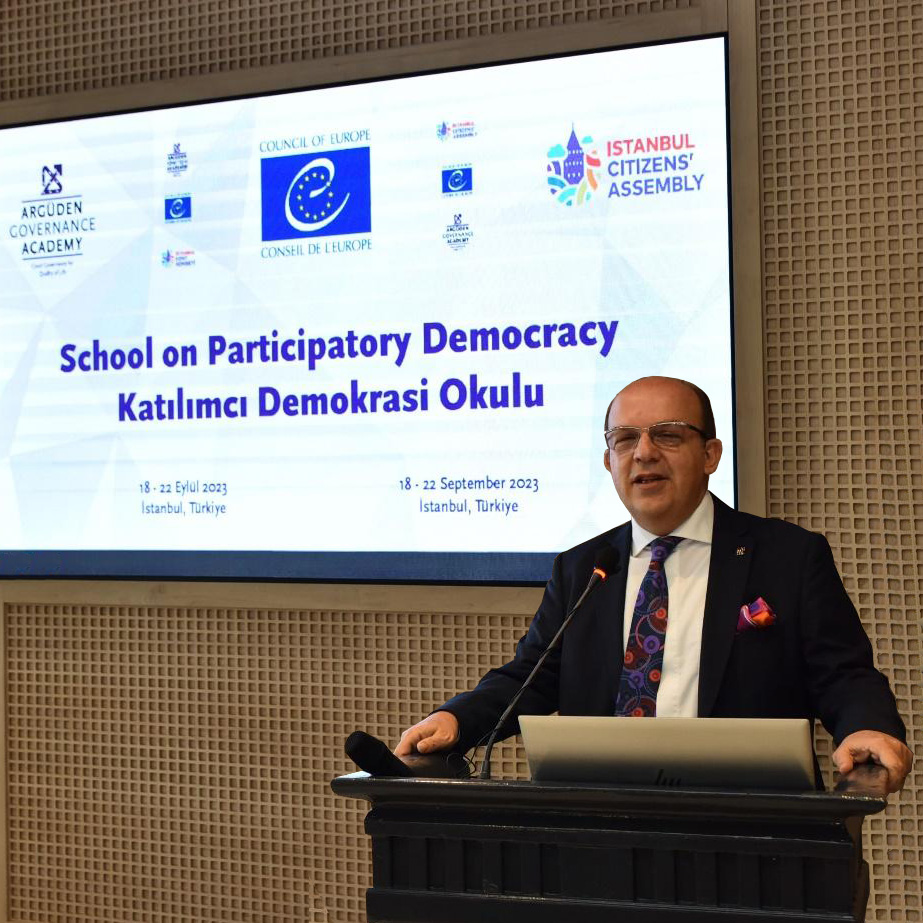
Academy, Council of Eurpoe, and Istanbul Citizen’s Assembly promotes participatory democracy
First Time in Türkiye: Participatory Democracy School
The School on Participatory Democracy is organized in Türkiye for the first time through a collaborative effort between the Council of Europe, Argüden Governance Academy, and Istanbul Citizens’ Assembly.
Representatives of local governments and civil society organizations from different cities, including İstanbul Adana, and Balıkesir attended the School on Participative Democracy whose curriculum covers Council of Europe’s participatory democracy approach and standards. The discussions focused on the principles and tools for enhancing civil participation at the local level. Participants explored various civil participation tools, best practices, and experiences from different European countries. Topics such as public space design, participatory budgeting, youth engagement, and citizen panels were among the special topics discussed. The School on Participatory Democracy aims to strengthen civil participation at the local level.
The opening remarks of the program were delivered by Ali Galip Yükseltmek, Head of the Strategy Department of the Istanbul Metropolitan Municipality, Cornelia Perle, Representative of the Council of Europe’s Elections and Participatory Democracy Division, Tülin Hadi, President of the Istanbul Citizens’ Assembly, and Dr. Yılmaz Argüden, Chair of Trustees of Argüden Governance Academy.
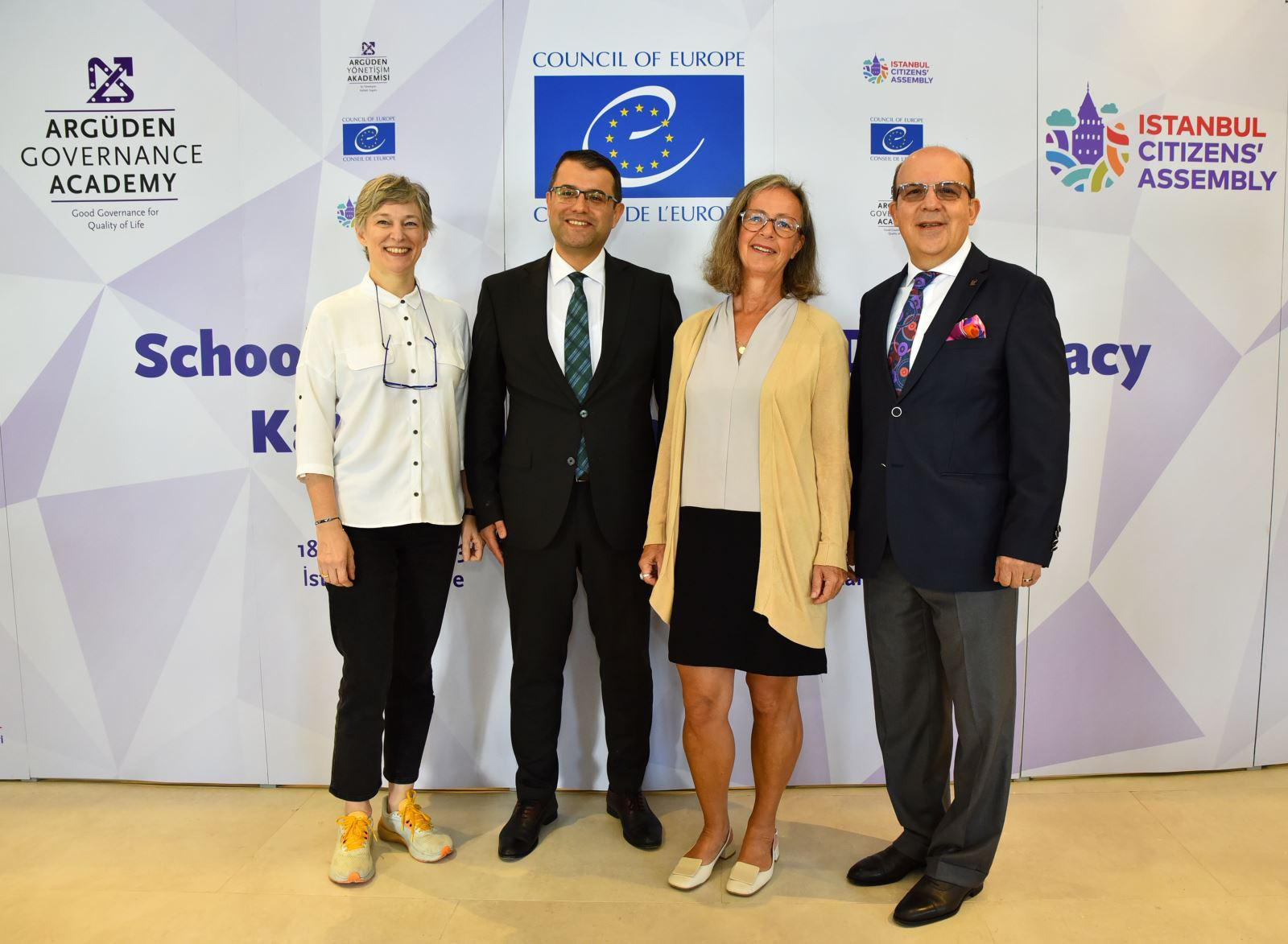
Tülin Hadi (İstanbul Citizen’s Assembly), Ali Galip Yükseltmek (İstanbul Metropolitan Municipality), Cornelia Perle (Council of Europe), Dr. Yılmaz Argüden (Argüden Governance Academy)
In his speech, Ali Galip Yükseltmek highlighted the Istanbul Metropolitan Municipality’s emphasis on participatory democracy and civil engagement in its work. He emphasized the effective use of citizen and civil participation in decision-making processes, especially in activities such as preparing the strategic plan and conducting participatory budgeting.
In her speech, Cornelia Perle from the Council of Europe emphasized the importance of the active efforts and participation of civil society as well as local governments in strengthening participatory democracy. She noted that former participants of the school continue to collaborate as a network, highlighting that this five-day exchange of knowledge and experiences will have an impact on the future.
Tülin Hadi, President of the Istanbul Citizen Assembly, stated in her speech that strengthening participatory democracy and civil participation in cities are their top priorities. She explained that the purpose of organizing this school is to introduce standards, principles, tools, and best practice examples that municipalities and civil society organizations can use to enhance civil participation. She emphasized that as skills in using civil participation tools develop, practical work can be implemented more effectively. She underlined that participatory democracy is a culture, and sharing best practices is essential for its continuous development.
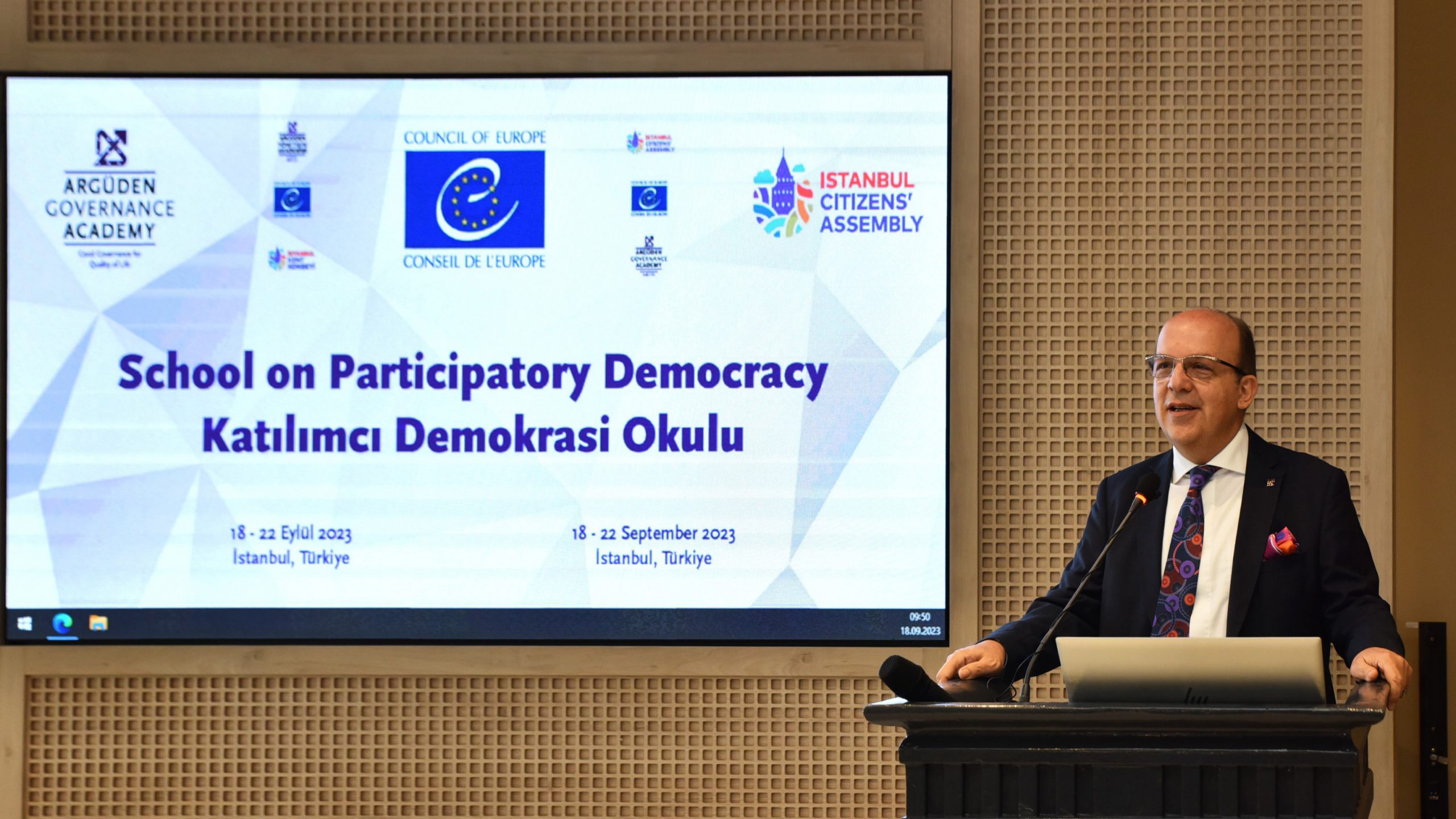
In his speech, Dr. Yılmaz Argüden, Chair of Trustees of Argüden Governance Academy, emphasized that “Trust is the essence of good governance, the foundation of sustainable development and quality of life. Building Trust and Reinforcing Democracy is a key priority for all OECD countries and informed, inclusive stakeholder engagement is key for building trust.” He continued to explain that initiating the ‘School on Participative Democracy’ in Türkiye is a natural extension of the Academy’s work to improve the quality of governance, such as the Municipality Governance Scorecard©, Local Development Guides, training programs for public and NGO managers, and the awarding of the European Label of Governance Excellence (ELoGE) for identifying and promoting good governance examples among local governments.
Milli Gazete
September 22, 2023
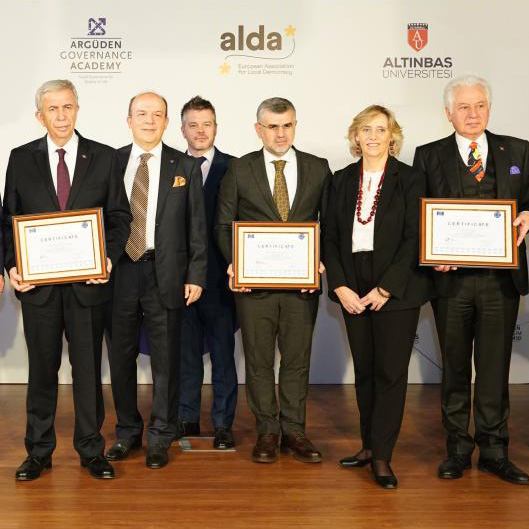
6 Turkish Municipalities
Acquired the ELoGE
The Council of Europe’s European Label of Governance Excellence (ELoGE) have been acquired by six Turkish municipalities for the 2023-24 period.

The ELoGE, which is a symbol of good governance culture in local governments is given by the National Platform established in Türkiye under the coordination of Argüden Governance Academy. In 2023, the National Platform was formed by Argüden Governance Academy, European Association for Local Democracy, and Altınbaş University. The municipalities that received the right to use the Label granted by the National Platform until the end of 2024 are Ankara Metropolitan Municipality, Eskişehir Metropolitan Municipality, as well as Bağcılar, Gebze, Sultanbeyli and Şişli Municipalities.
The European Label of Governance Excellence aims to develop a good governance culture in municipalities and to ensure the adoption of 12 good governance principles at all levels of local government. In 2023, 9 municipalities, including metropolitan cities, applied for the European Label of Governance Excellence which is attracting increasing attention from municipalities in Türkiye.
The Label applications for the 2023-2024 period were evaluated by an Independent Jury convened by Argüden Governance Academy, European Association for Local Democracy, and Altınbaş University. Good governance and local governments, in a jury composed of competent and expert members; Retired governors and bureaucrats, political science professors, and members of good governance were present. In 2023, 9 municipalities applied and the 6 municipalities who acquired the right to utilize the ELoGE until the end of 2024 are Ankara and Eskişehir metropolitan municipalities, and Bağcılar, Gebze, Sultanbeyli and Şişli district municipalities from Istanbul.
The 6 municipalities were announced at the ceremonies held at the Gayrettepe Campus of Altınbaş University on December 14. The opening speeches of the ceremony were made by Vice President of Council of Europe Good Governance Expertise Center Niall Sheerin, Secretary General of European Local Democracy Association (ALDA) Antonella Valmorbida, Rector of Altınbaş University Prof. Dr. Çağrı Erhan, and Chairman of Trustees of Argüden Governance Academy Dr. Yılmaz Argüden.
The Vice President of the European Council’s Center of Expertise in Good Governance, Niall Sheerin, expressed delight at the second meeting of the European Label of Governance Excellence with municipalities in Türkiye. Sheerin stated, ‘ELoGE serves as a mirror for local governments. Today, not only do we recognize the municipalities that have earned the Label for one year, but we also invite other municipalities to apply next year with the aim of enhancing the quality of life and promoting the development of democracy at the local level.”
Expressing the increasing significance of the partnerships they have developed in Türkiye for European Association for Local Democracy (ALDA), Antonella Valmorbida, the Secretary General of the ALDA, stated, ‘We are very pleased to collaborate with Argüden Governance Academy to recognize the efforts of municipalities in promoting good governance at the local level and to award ELoGE.
Expressing joy in being together with solution-oriented municipalities, Prof. Dr. Çağrı Erhan, the Rector of Altınbaş University, stated in his speech, ‘It is possible to talk about good governance when the ideas and desires of people who are a part of urban life are taken into account. I individually congratulate all the mayors who have earned the right to receive this Label.
Dr. Yılmaz Argüden, Chairman of the Board of Trustees of Argüden Governance Academy, who is accredited by the Council of Europe to lead the process and coordinate the National Platform for the process of European Label of Governance Excellence in Türkiye, said “Trust for institutions is the key for quality of life and sustainable future. Deployment of a good governance culture in municipalities will not only improve inclusive and participative democracy, but also quality of life by improving citizens’ trust.”.
Following the award ceremonies, the awarding municipalities shared their experiences and good examples in the panels.
The Capital City of Türkiye, Ankara Metropolitan Municipality Mayor Mansur Yavaş stated, “My commitment was to work closely with every segment of society for transparency and accountability. Ankara Municipality gains the trust of the citizens with the meaningful information it provides. Acquiring ELoGE will encourage other municipalities in our country to implement good governance practices.”
Sultanbeyli Municipality Mayor Hüseyin Keskin expressed happiness and pride in earning the Label for the second time along with Şişli Municipality. Hüseyin Keskin said, “Encouraging the participation of every segment of the public in decision-making and making efforts in this regard increase citizen trust and satisfaction. Applying for the Label every year is a meaningful indicator of our commitment to continuous improvement.”
Şişli Municipality Mayor Muammer Keskin added, “When we won the elections 5 years ago, we always said that we will be participatory, transparent, accountable, and inclusive processes during our management. The European Label of Governance Excellence, we received as one of the pioneering municipalities paved the way for many projects such as Neighbor Desk (Komşu Masa) and Participatory Budget.”
Integrated Municipality Governance Model© (IMGM)
Argüden Governance Academy, which works to disseminate the management approach for quality of life, includes the Integrated Municipality Governance Model in order to contribute to the initiation of the European Label of Governance Excellence (ELoGE) by municipalities in Türkiye and the dissemination of the citizen-centered governance approach. Thanks to the IMGM, municipalities will be able to holistically and effectively implement the Council of Europe’s 12 principles of good governance at every stage of the democratic, administrative and financial management. In this way, they will achieve sustainable and inclusive development at the local level and contribute more to the quality of life of production.
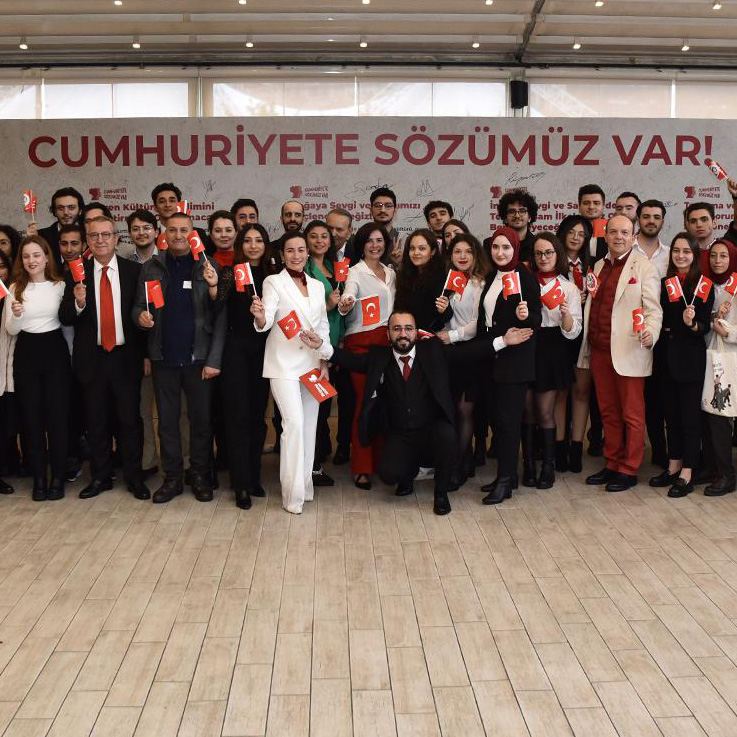
Youth’s Pledge to the
Republic of Türkiye
Youth Network of Argüden Governance Academy made a “Pledge to the Republic of Türkiye” to assume responsibility for a better future.

The Youth Network of Argüden Governance Academy organized a summit called “We Pledge to the Republic of Türkiye!” bringing together young leaders, professionals, and press members from all over Türkiye. The Summit, organized to improve the quality of life and build a sustainable future in the second century of the Republic, took place at Miniatürk on Saturday, November 18.
The opening speech of the Summit was delivered by Pınar Ilgaz, the Vice Chair of the Board of Directors of the Academy. Numerous youth leaders from different universities took the stage to summarize the results of numerous workshops that were held to prepare for the summit. The panel discussions were moderated by important Turkish experts such as Özlem Gürses (a the well-known journalist), Dr. Bahadır Kaleağası (Chairman of Institut du Bosphore), Naci Başerdem (CEO of The Marmara Hotels).
At the closing of the summit, the “Youth Manifesto” was published and signed by all participants. The Youth Manifesto, starting with “For Quality of Life and a Sustainable Future, we the youth to whom the Republic of Türkiye was Entrusted to by Atatürk Declare that…”. The Manifesto included 23 items on important themes such as prioritizing and committing to a better future, cultivating a culture of trust, embracing responsibilities towards society and future Generations, ensuring continuous learning and development, strengthening love and respect for nature, and embracing love and respect for humanity as fundamental principles of our life.
The Youth Network of Argüden Governance Academy aim to amplify the voice of young people, increase their sense of responsibility, and contribute to societal values with the “Pledge to the Republic of Türkiye” Summit. The manifesto is open to any institution wishing to support it and can be adopted and signed by them. For more information: https://argudenacademy.org/en/youth-manifesto-to-the-republic-of-turkiye
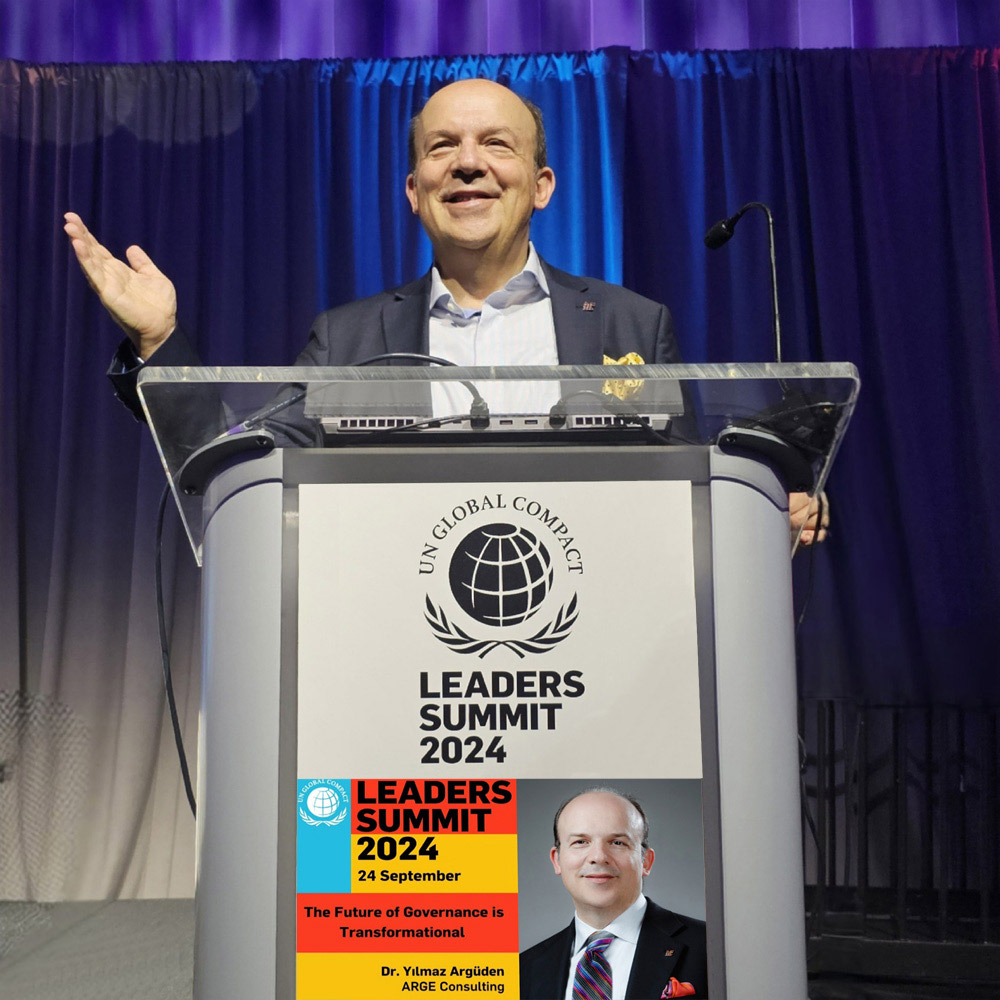
The Future of Governance is Transformational
Dr. Yılmaz Argüden presented a talk on “The Transformative Power of Governance” at the Leaders Summit in New York, where ARGE Consulting was invited for its contributions to the Transformational Governance Think Lab initiative established by the UN Global Compact.
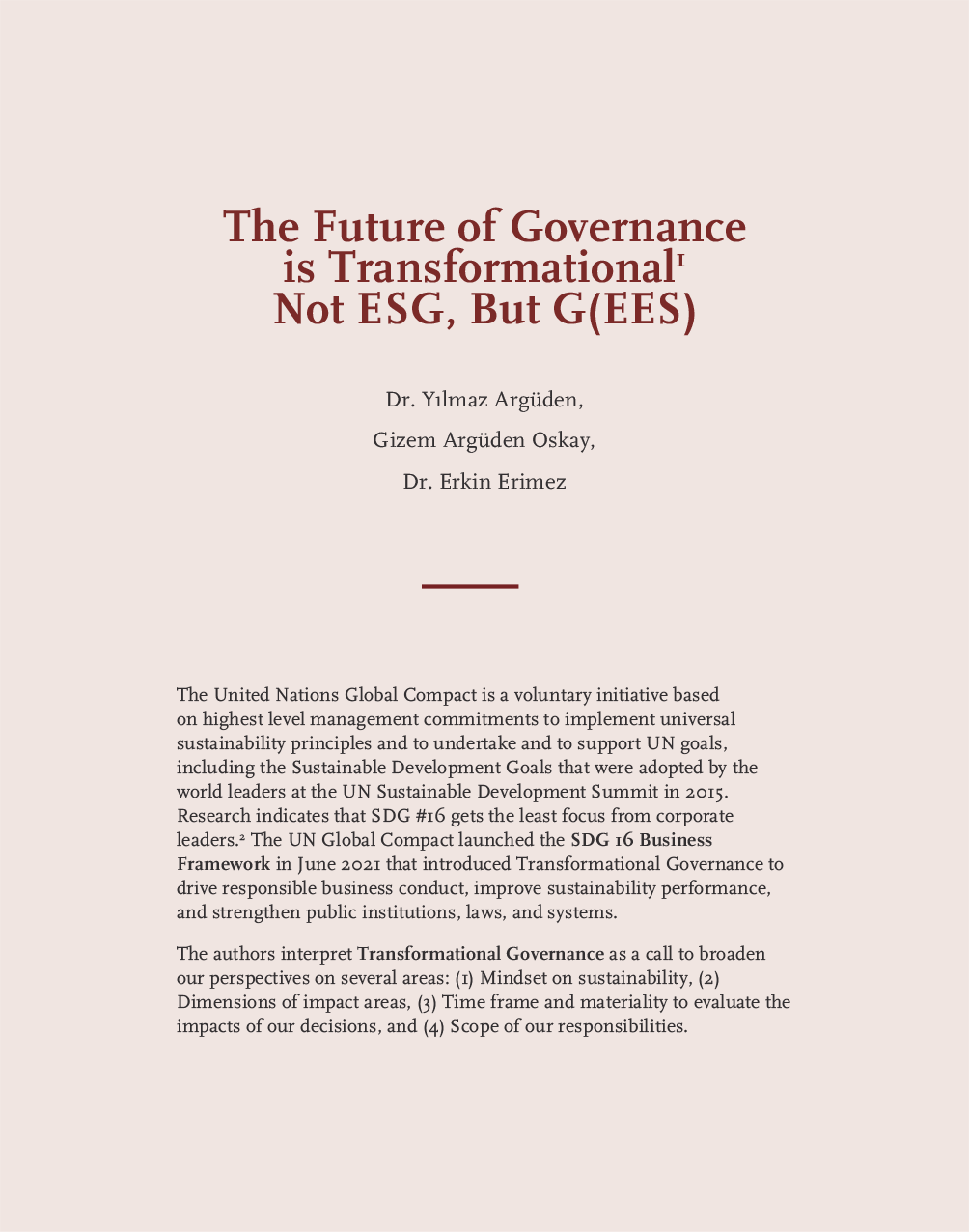
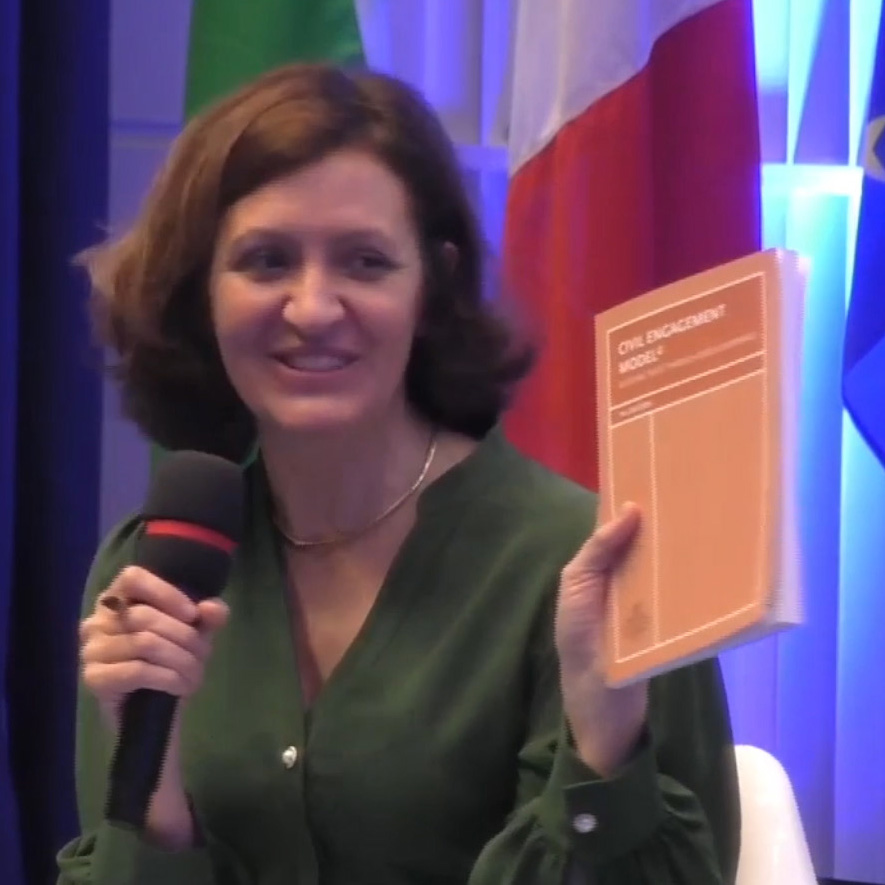
Civil Engagement Model Attracts Interest Globally
In 2024, enhancing trust in institutions has become a global priority. In this context, the main agenda of the World Economic Forum’s Davos 2024 meeting was set as “Building Trust”, while the OECD adopted a similar approach, prioritizing trust-building and establishing the “Global Forum on Building Trust and Reinforcing Democracy”. The OECD’s 2024 Trust Survey, published this year, revealed that in many countries, citizens’ trust in their national governments remains at low levels. This year’s Nobel Prize in Economics was also awarded to Daron Acemoğlu and his colleagues for their work on the relationship between institutional trust and societal well-being.
Elsa Pilichowski, the OECD Director for Governance, shared the results of the OECD Trust Survey at the Global Forum. The survey highlighted that trust in national governments is generally low and continues to decline. Pilichowski emphasized the critical need to increase trust in national governments, while pointing out that concrete steps to achieve this goal have yet to be determined. Referring to the Civil Engagement Model© developed by the Academy, she suggested leaders to read the publication to help measure the steps for building trust.
OECD 2024 Global Forum: Rebuilding Trust
The main theme of the OECD 2024 Global Forum was “Rebuilding Trust”. Elsa Pilichowski, the OECD’s Director of Public Governance, presented the findings of the OECD Trust Survey during the event. The survey revealed that public trust in national governments remains low and continues to decline.
Pilichowski underlined the urgency of rebuilding trust in national governments, noting that this requires more than just the delivery of quality services. She emphasized that meaningful engagement with citizens is also essential to building trust. However, she acknowledged that a clear roadmap for implementing concrete actions to achieve this goal is still lacking. With this in mind, she recommended the Civil Engagement Model© by the Academy as an essential reading resource designed to define and measure actionable steps to build trust.
Dr. Yılmaz Argüden: Trust in Institutions Leads to Greater Prosperity in Societies
Dr. Yılmaz Argüden appeared as a guest on CNBC-e’s Para Ekranı program, hosted by Şafak Tükle, where he discussed the role of good governance in building a culture of trust. He emphasized that trust in institutions is a fundamental requirement for improving the quality of life in societies.
Dr. Argüden highlighted that creating a culture of trust through an inclusive, participatory, transparent, and accountable approach is the foundation for building a sustainable future.
He also noted that the Academy, focusing on the globally prioritized issue of “fostering a culture of trust”, works to promote a culture of good governance across all segments of society through its impact research and educational programs.
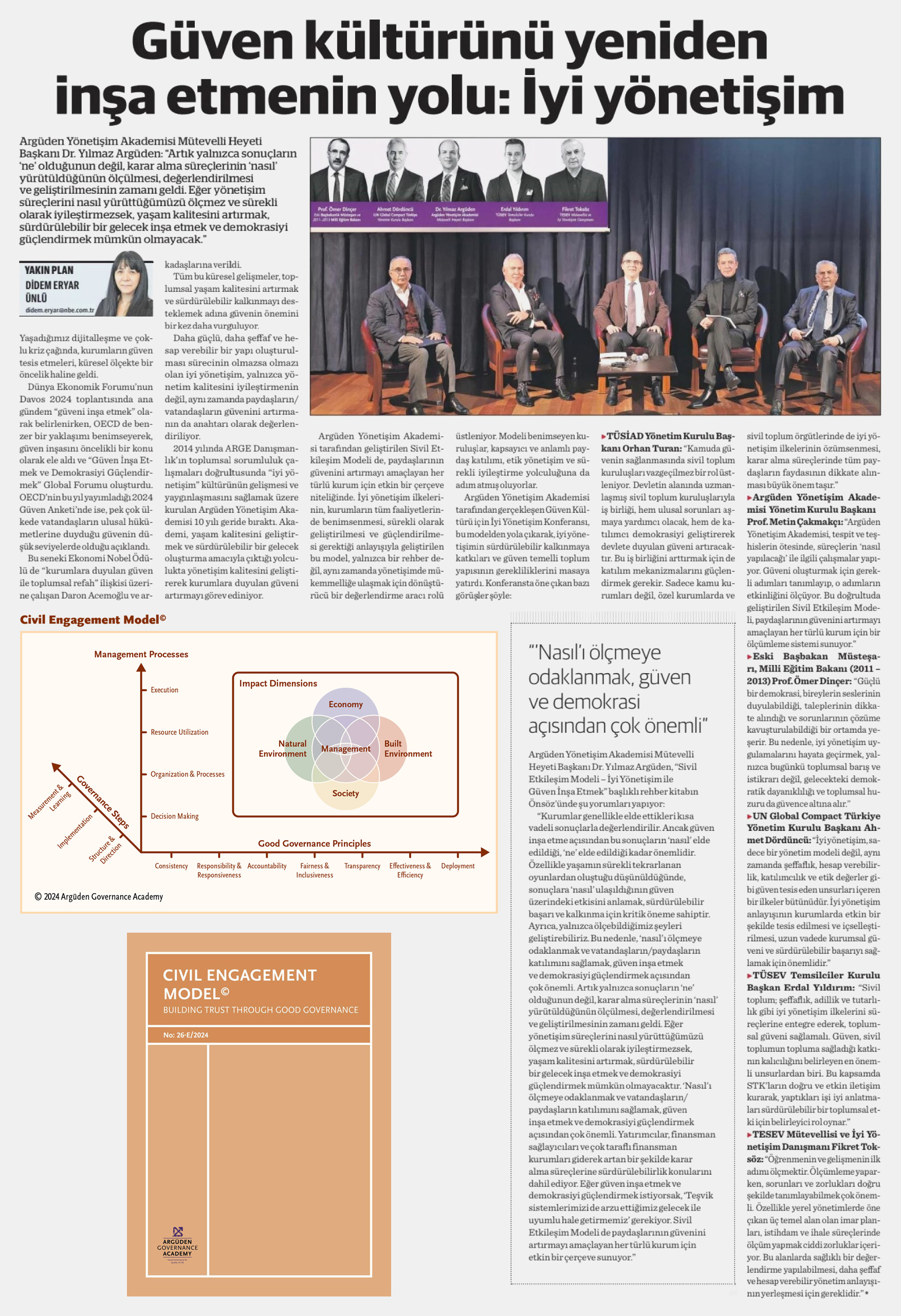
Ekonomim Newspaper, November 11, 2024.
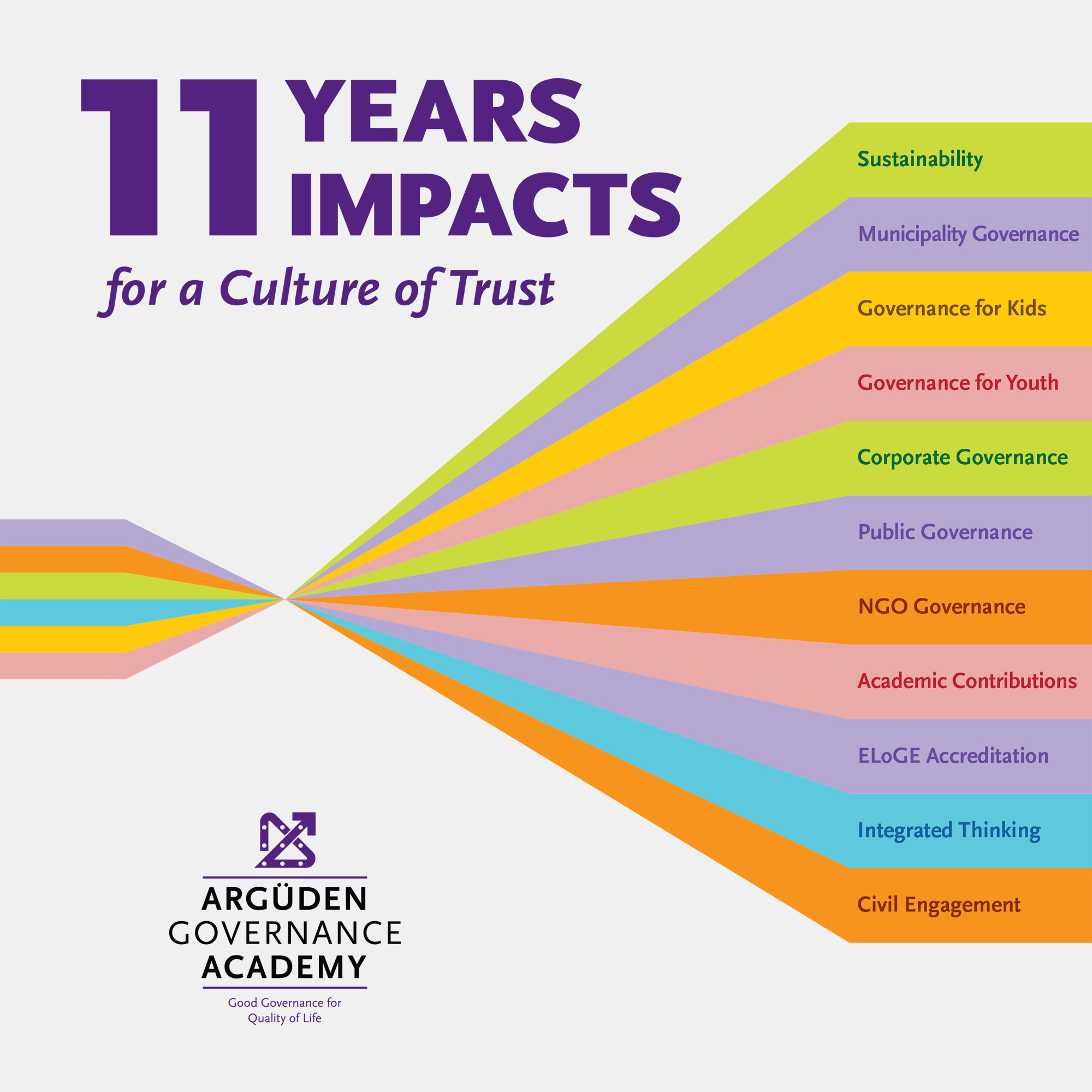
11 Years 11 Impacts
for a Culture of Trust
KalDer
Institution of the Year
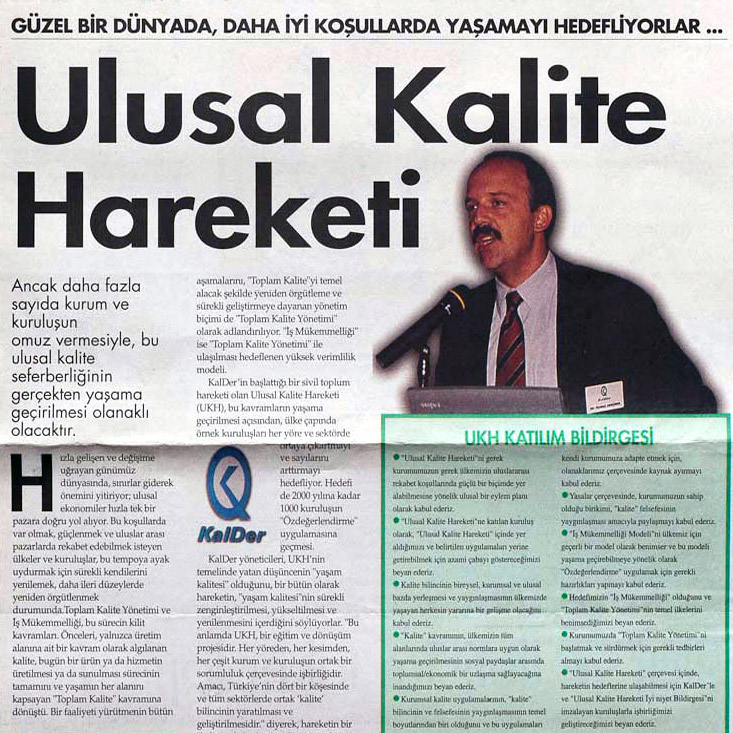
National Quality Movement
Initiated


Türkiye Becomes
a Partner of EFQM


Ministry of Education Joins
National Quality Movement
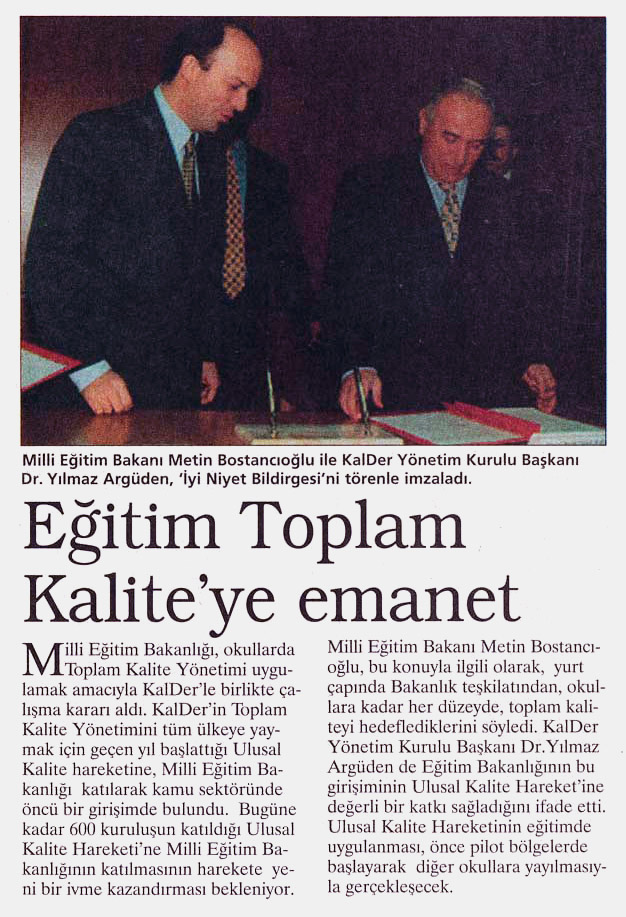
Chairman of Alumni Association
Civil Society Supported Univ.
Dr. Argüden undertook the Chairmanship of the Bosphorus University Alumni Association (BÜMED) in order to organize the graduates around the common objective of supporting the university. He facilitated the institutional development of BÜMED, initiated an annual giving program and motivated the alumni for sponsoring the development of the university by establishing facilities for the alumni at the university premises. BÜMED won the honor of being the first alumni association in Europe to win the National Quality Award for NGOs.
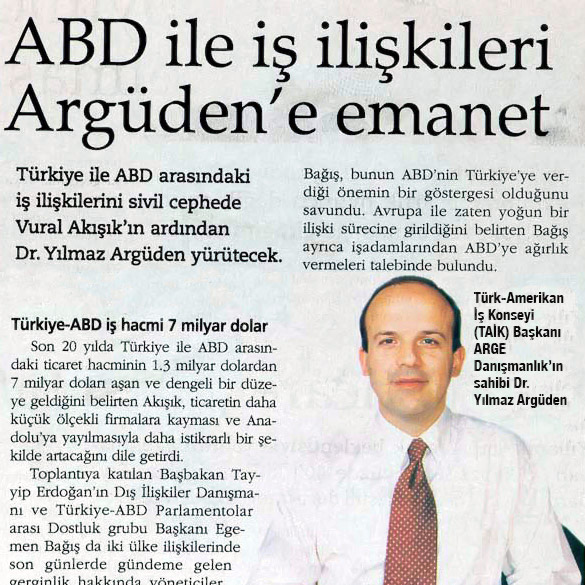
Business Relations with the US
Entrusted to Dr. Argüden

Hürriyet Newspaper, February 24th, 2005
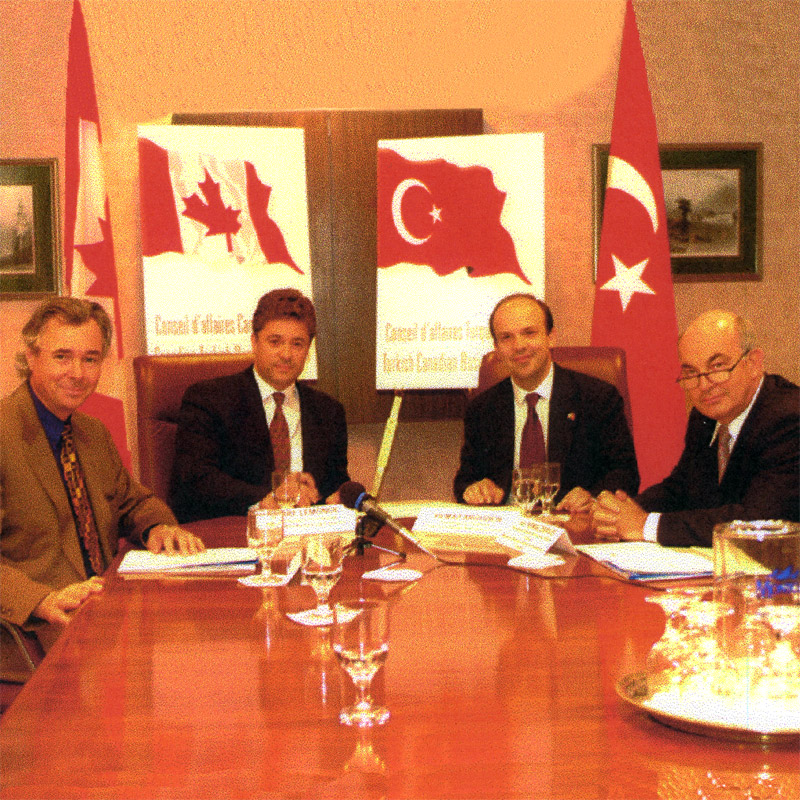
Turkish-Canada Business Council, Founding Chairman
Under the auspices of the Foreign Economic Relations Board, he furthered Turkish – Canadian business relationships and increased bilateral ties between the countries.


Turkish-French Business Council, Vice Chairman

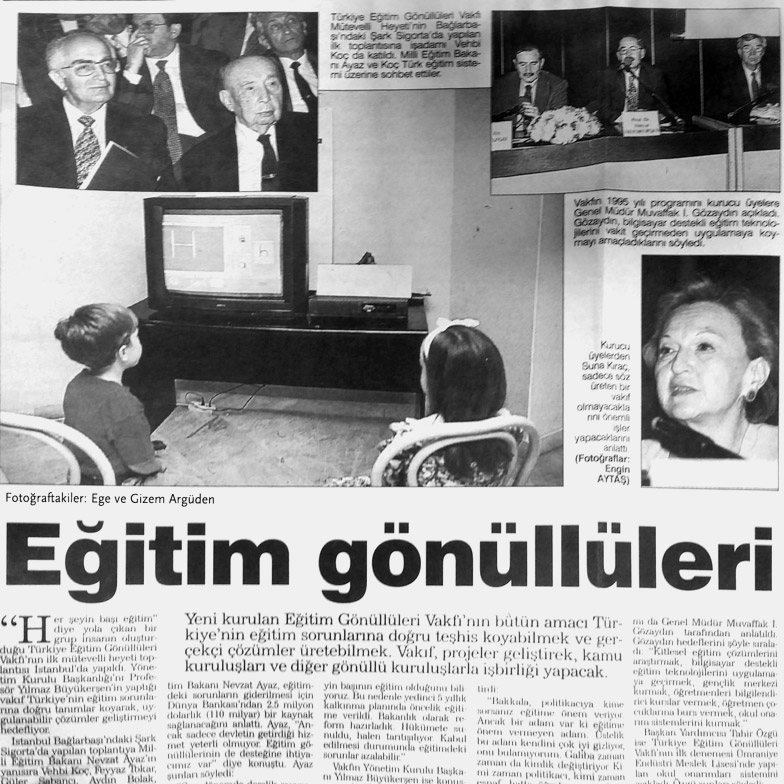
Founding Board Member of
TEGV
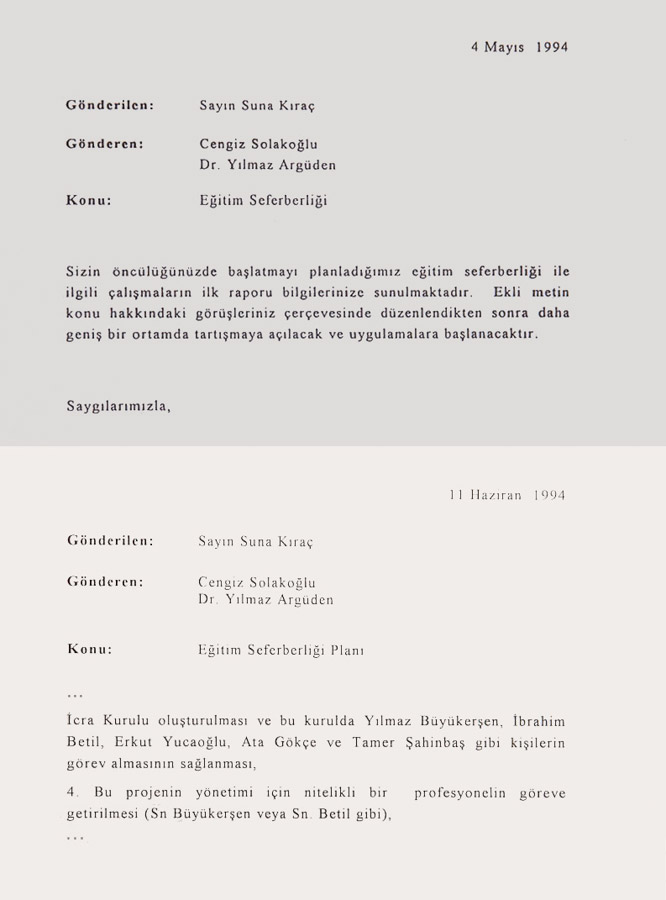
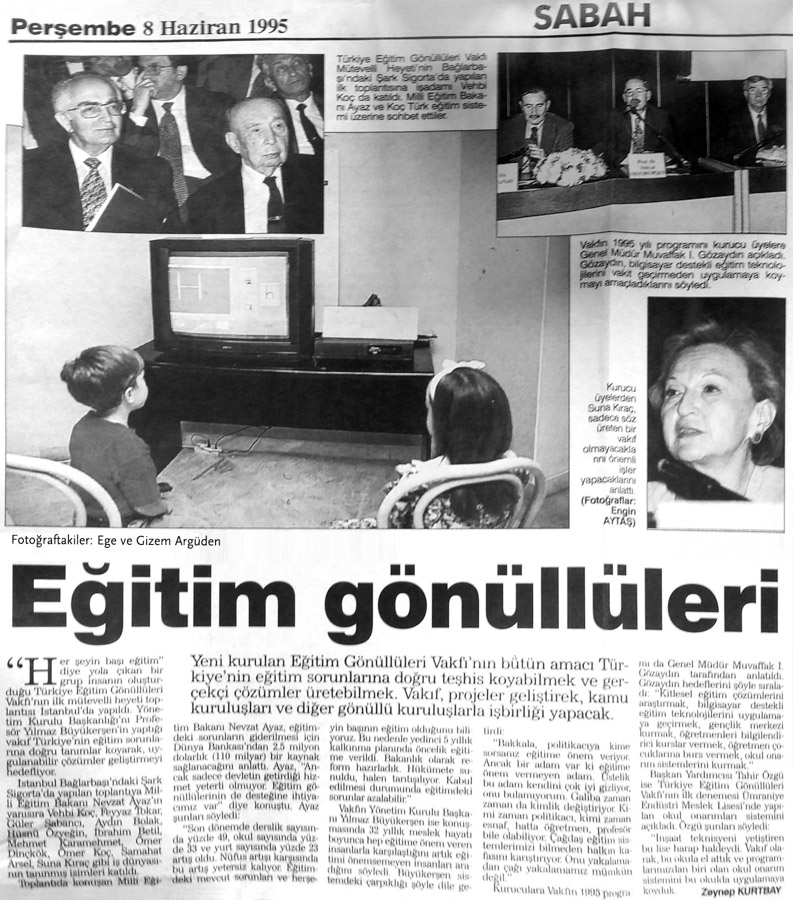
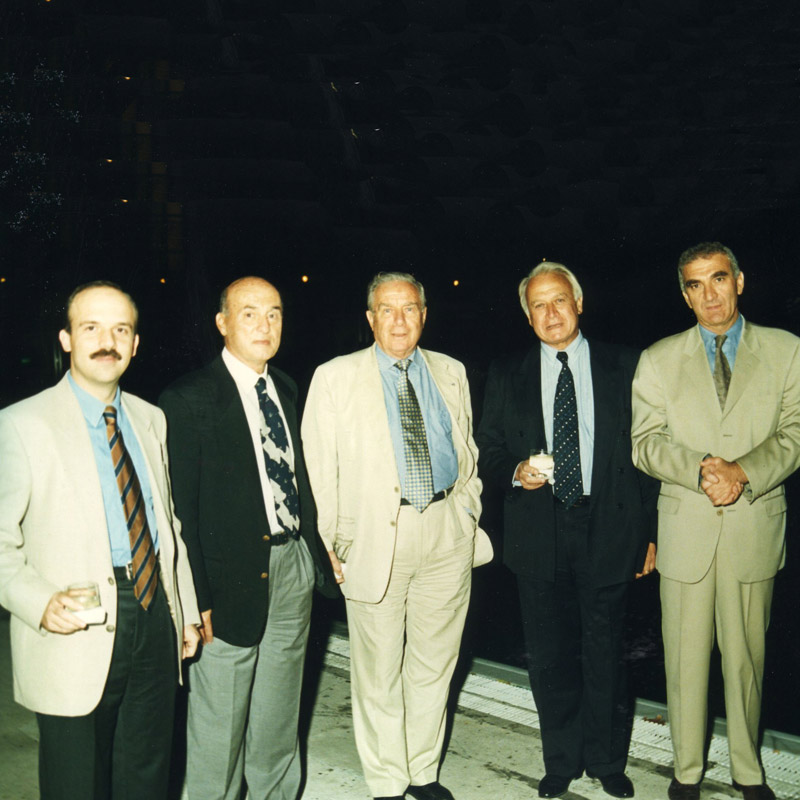
Founding Board Member of
TESEV
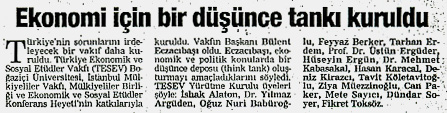
Milliyet Ekonomi, February 8th, 1994
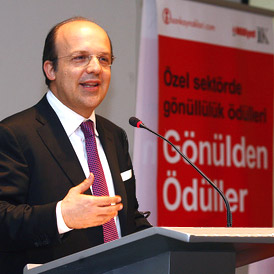
Corporate Volunteers Assoc.
Founder and Vice Chairman
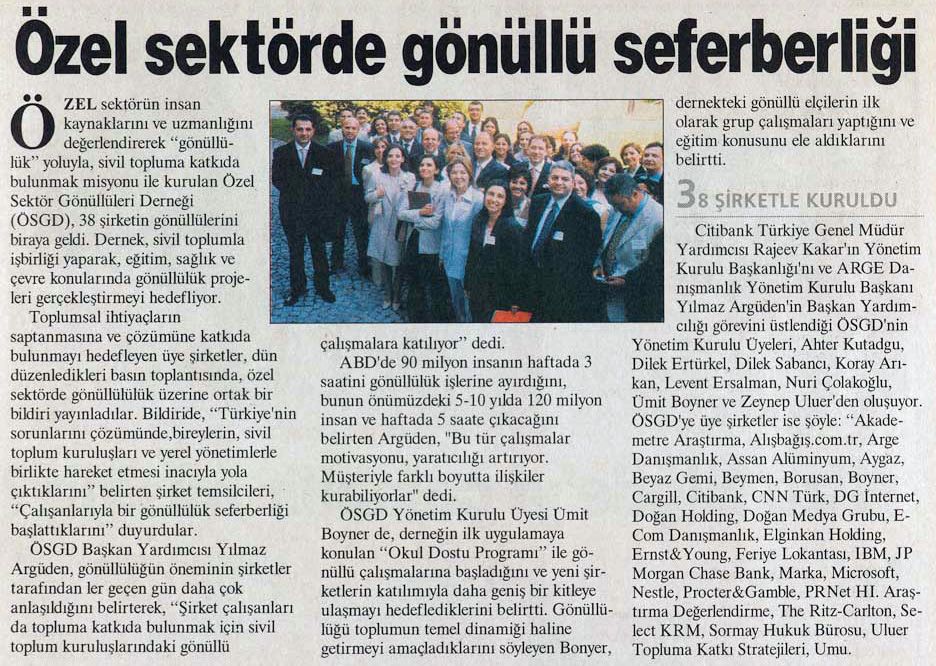
Hürriyet Newspaper, June 5th, 2003

Founding Chairman of
UNGC Turkish Network
Birleşmiş Milletler Küresel İlkeler Sözleşmesi (BMKİS) Türkiye’deki 10. Yılını Kutluyor
Türkiye’nin en büyük ve çok paydaşlı sürdürülebilirlik platformu olan BM Küresel İlkeler Sözleşmesi’nin Sekretaryası TİSK ve TÜSİAD tarafından ortaklaşa biçimde yürütülecek.
BM Küresel İlkeler Sözleşmesi Ulusal Ağı Türkiye Temsilcisi Dr. Yılmaz Argüden, BM Küresel İlkeler Sözleşmesi (UN Global Compact) imzacıları arasında yer alan Türk şirketlerinin faaliyet alanları küreselleştikçe, küresel sorunlara duyarlılıkları ve çözüm üretme yetkinliklerinin de arttığını belirtti. Türk şirketlerinin sürdürülebilir kalkınma konusunda dünyaya örnek olabilecek uygulamalarını COP15, COP18, Dünya Liderler Zirvesi 2012 ve en son Rio+20 Konferansı’nda paylaşmasının Türkiye’nin ilk 10 ekonomi arasında yer alma hedefiyle uyumlu olduğunu ifade etti.
BMKİS Türkiye Yerel Ağı, 10. yaşını ve sorumlu vatandaşlık ile kurumsal yönetimin geliştirilmesinde oynadığı liderlik rolünü 18 Aralık 2012 Salı günü 14.00-16.00 saatleri arasında İstanbul Menkul Kıymetler Borsası’nda (İMKB) gerçekleştirilecek geniş katılımlı bir toplantı ile kutlayacak.
Sürdürülebilir yaklaşımın öncüsü durumundaki 80’in üzerinde üst düzey yöneticinin katılımı ile gerçekleştirilecek toplantıya ARGE Danışmanlık, Ford Otosan, Martı Otelleri, Boyner Holding, Özyeğin Üniversitesi, KalDer, TÜSİAD, TİSK’in üst düzey temsilcileri konuşmacı olarak katılacak.
Toplantı’nın diğer konuşmacıları arasında BM Türkiye Daimi Temsilcisi Shahid Najam, İMKB Başkanı İbrahim Turhan, Dışişleri Bakanlığı Çok Taraflı Ekonomik İlişkiler ve Enerji Genel Müdürü Mithat Rende ile Kalkınma Bakanlığı Müsteşar Yardımcısı Cüneyt Düzyol da bulunuyor.
BMKİS’in kurumsal sekretaryası kuruluyor
BMKİS Ulusal Yürütme Kurulu’nun kararı doğrultusunda, bu tarihten itibaren BMKİS Türkiye Yerel Ağı’nın sekretarya ve koordinasyon hizmetleri Türkiye İşveren Sendikaları Konfederasyonu (TİSK) ile Türkiye Sanayici ve İşadamları Derneği (TÜSİAD) tarafından ortaklaşa biçimde yürütülmeye başlanacak. Kurulacak yeni sekretaryanın Türkiye Yerel Ağı’nın etkin biçimde koordinasyonuna ve dünyadaki diğer yerel ağlarla entegrasyonuna büyük katkı sağlayacağı düşünülüyor.
Birleşmiş Milletler Küresel İlkeler Sözleşmesi Nedir?
BM Eski Genel Sekreteri Kofi Annan tarafından 2009 yılında başlatılan stratejik politika inisiyatifi olan “Birleşmiş Milletler Küresel İlkeler Sözleşmesi” insan hakları, çalışma standartları, çevre ve yolsuzlukla mücadele başlığı altında toplanan 10 küresel ilkenin geliştirilmesini hedeflemektedir. Söz konusu 10 ilkeye uygun biçimde faaliyet göstermeyi taahhüt eden CEO’lar ve 3000’in üzerinde kamu ve sivil toplum kuruluşları ile BMKİS, dünyanın en büyük gönüllü kurumsal vatandaşlık girişimidir.
2002 yılında BM Kalkınma Programı (UNDP) ve Türkiye İşveren Sendikaları Konfederasyonu (TİSK) ortaklığı ile Türkiye’de başlatılan girişim, geçtiğimiz on yılda gelişerek 135 ülke içinde en geniş 17. Yerel Ağ konumuna gelmiştir.
BMKİS’in Türkiye Yerel Ağı, özel sektör öncülüğünde büyük işletme, KOBİ, sivil toplum kuruluşu, belediye ve işveren organizasyonu niteliğindeki 250 civarında kuruluşu imzacı olarak bünyesinde bulundurmaktadır.
BMKİS Türkiye Yerel Ağı 2010 yılında geliştirerek uygulamaya başladığı sektörel yaklaşım ile dünyada en iyi uygulama örneği seçilmiştir. Söz konusu çalışmalar çerçevesinde otomotiv, tekstil, ilaç ve turizm sektörlerinde sürdürülebilirlik ilkelerinin yaygınlaştırılması açısından önemli çalışmalar gerçekleştirilmiştir.

Leader for
Brilliant Endeavors


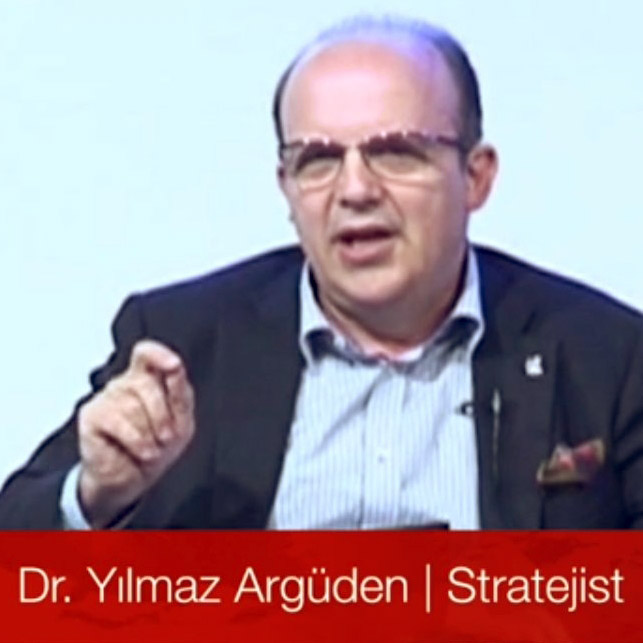
Effective Social Entrepreneur with His Strategic Vision

Social Change through NGOs with Award Schemes
Geçen hafta Türkiye’de ilk kez şirketlere “Gönüllülük Ödülleri” verildi. Beşinci kuruluş yıldönümünü kutlayan Özel Sektör Gönüllüler Derneği (ÖSGD) özel sektörün nitelikli insan kaynağını, bilgi ve birikimini gönüllü olarak harekete geçirerek toplumsal sorunların çözümüne katkıda bulunmalarını teşvik edebilmek için çalışıyor.
Bir ülkenin refah düzeyini geliştirmek için öncelikle o ülkenin kurumlarının yönetim kalitesini geliştirmek gerekir. Bu hedefe yönelik yeni yönetim anlayışı ise yöneten ile yönetilenin karşılıklı etkileşimini ifade eden yönetişim kavramı ile özetleniyor. Geniş kitlelerin ülkenin yönetimine katılımı ise ancak etkin sivil toplum kuruluşları (STK) aracılığıyla sağlanabiliyor. ÖSGD, ülkemizdeki STK’ların gelişmesi için yetişmiş insan kaynağının STK’lara yönlendirilmesini hedefliyor.
Böylelikle, ÖSGD toplum ile özel sektör arasında dinamik bir ilişki yaratabilmeyi; özel sektörde gönüllülüğün yayılmasına önderlik edebilmeyi; toplumsal sorunlara etkin çözümler üretilebilmesini desteklemeyi; ve STK’lar ve yerel yönetimlerle işbirliği içerisinde iyi yönetişim anlayışının ülkemizde yaygınlaşmasına destek olmayı amacı ile çalışıyor.
ÖSGD’nin üye şirketlerden üç önemli beklentisi var: (i) Her sene şirket çalışanlarının zamanlarının ne kadarını gönüllü hizmetlere ayırdıkları ve elde ettikleri sonuçlarla ilgili bilgiyi kamuoyu ile paylaşmaları ve (ii) şirket personeli arasında gönüllü hizmet verenlerin bu çalışmalarının da şirketin performans değerlendirme sistemi çerçevesinde değerlendirmeye alınmasını sağlamaları ve (iii) gönüllülük çalışmalarıyla destek verdikleri STK’ların kendilerinin iyi yönetişim ilkelerine uyduklarını gözetmeleri.
Böylelikle gönüllülüğün kalıcı bir şekilde desteklenmesi ve ülkedeki iyi yönetişim uygulamalarının önemli bir tarafı olan STK’ların kendi yönetim kalitelerinin de geliştirilmesi hedefleniyor.
Ölçülmeyen performans geliştirilmez. Ölçülen ve ödüllendirilen davranışlar ise yaygınlaşır. İşte bu nedenle, “Gönüllülük Ödülleri” toplumda gönüllüğün teşvik edilmesi için önemli bir araç olarak ortaya çıkıyor. Ancak, herhangi bir ödül sürecinin adil ve güvenilir olması ve doğru davranışları teşvik edebilmesi için sağlam bir modele dayandırılması gerekir. ÖSGD gönüllülük ödülleri için hem farklı kategorileri belirlerken, hem de bu kategorilerde ödüllendirilecek davranışları ölçmek üzere soruları belirlerken üç temel prensip üzerine odaklandı: (i) Gönüllülük çalışmalarının sürdürülebilir olması, (ii) Gönüllülük çalışmalarının toplumsal bir konuda gerçekten olumlu bir etki ve fark yaratması, ve (iii) gönüllülük çalışmalarının kaynakların etkin kullanılmasını sağlayacak yaratıcılık, yenilikçilik içermesi.
Bu nedenle, gönüllülük ödülleri üç ayrı kategoride verildi: En Başarılı Gönüllülük Programı Ödülü; Gönüllülük Programı’nı kurumsal bir şekilde ve etkin olarak yürüten ve gönüllülüğü yaygınlaştırmada başarılı olan şirketin ödüllendirilmesi.
En Başarılı Gönüllülük Projesi Ödülü; Toplumun bir ihtiyacını karşılamada başarılı olan ve/veya ilgili konuda önemli derecede katma değer ve pozitif etki yaratan Gönüllülük Projesi’nin ödüllendirilmesi.
En Yaratıcı Gönüllülük Projesi Ödülü; Bir toplumsal ihtiyacı belirleyerek buna yaratıcı ve kalıcı çözüm geliştiren Gönüllülük Projesi’nin ödüllendirilmesi
En başarılı gönüllülük programını belirlemek için gönüllülük programının şirket içerisinde nasıl bir organizayon yapısı ile desteklendiği, bu konuda şirket içi iletişim faaliyetlerinin yaygınlığı, üst yönetimin programa verdiği destek, gönüllülük anlayışının şirketin diğer paydaşlarına yaygınlaştırılmasına yöneilik faaliyetler, gönüllü katkıların sonuç etkinliğinin takibine ilişkin yaklaşımlar, şirketin farklı bölümlerinin uzmanlıklarını bu programa destek vermek için nasıl kullandıkları, programın şirket içinde yaygınlaşmasını ve sürdürülebilirliğini sağlamak üzere ne gibi ölçümlemeler, iyileştirmeler ve yaklaşımlar sergilendiği gibi konular üzerinde duruluyor.
En başarılı gönüllülük projesini belirlemek için projenin başında hedeflerin nasıl belirlendiği ve ulaşılan sonuçlarla nasıl karşılaştırıldığı, gönüllülük projesi ile destek olunan hedef kitlenin kapsamı, proje ile hedef kite üzerinde yaratılan değişim, ve ortya konan yaklaşımların ve değişimlerin sürdürülebilir olmasına ilişkin yapılan faaliyetler değerlendiriliyor.
En yaratıcı gönüllülük projesini belirlemek için ise projede ihtiyaç belirleme aşamasında ne gibi yenilikçilik kullanıldığı, belirlenen ihtiyacın karşılanmasında ne gibi yaratıcı çözümlerin üretildiği, hedeflenen değişimler için gerekli kaynakların geliştirilmesinde izlenen yenilikçi yaklaşımlar, projelerde ne gibi yaratıcı işbirliklerinin oluşturulduğu, gerçekleştirilen farklılık, ve sonuçların kalıcılığı için kurulan teşvik mekanizmalarının hangi yenilikçi yaklaşımlar içerdiği gibi konular değerlendiriliyor.
Bu soruların sorulması bile başlı başına şirketlerin gönüllülük programlarının gelişmesine katkıda bulunuyor. Ayrıca, bu ödüllere başvuran şirketler en iyi uygulamalarla kendi uygulamalarını karşılaştırma fırsatları bularak kendi programlarının etkinliğini de artırabilecek ipuçları yakalayabiliyorlar.
ÖSGD üyeleri çeşitli sivil toplum kuruluşları ile de işbirliği yapmakta, özel sektör çalışanlarının sivil toplum kuruluşlarında gönüllü olmasını desteklemektedir. Derneğin eğitim çalışmaları kapsamında, çalışanların yetkinliklerini destekleyecek ve sosyal farkındalıklarını artıracak çeşitli projeler, gönüllülük organizasyonları da bulunmaktadır.
Ülkemizdeki yetişmiş profesyonellerin toplumsal sorunlarla daha yakından ilgilenmesi birçok faydayı da beraberinde getirecektir. (i) Bu sorunların çözümünde daha yaratıcı yaklaşımların ortaya çıkmasını sağlayacak, (ii) Ülkemizde katılımcı demokrasinin gelişmesine katkıda bulunacak, (iii) STK’ların yönetim kalitesi özel sektör deneyiminden faydalanarak artacak, (iv) Ülkemizde toplumsal sorumluluk duygusu artacak, (v) Özel sektör çalışanlarının liderlik ve çözüm üretebilme yetkinliklerini geliştirmelerine destek olacaktır.
En başarılı gönüllülük programı ödülünü kazanan Boyner Holding’i; En başarılı gönüllülük projesi ödülünü kazanan HSBC’nin Kardeş Okullar projesini; ve En yaratıcı gönüllülük projesi ödülünü kazanan Koç Holding’in Ülkem için Günü projesini kutluyor, ülkemizin yönetim kalitesini artırmak üzere gönüllü olarak toplumsal katkılarda bulananların artmasını diliyorum.
Gönüllülük, zenginliği paylaşabilmeyi ifade eden hayırseverliğin ötesinde insanın zamanını, bilgisini ve gönlünü paylaşabilmesidir. Önemli olan sadece bağış yapmak değil, kaynakların etkin kullanımını sağlayarak çözüm üretebilmektir. Bu nedenle zamanını gönülden verebilenler, gönülleri kazanır.
Yılmaz Argüden

Aligning Incentives
With the World We Want
7 Leading banks that are signatories of UN Global Compact have signed the Declaration on Sustainable Finance. The declaration was initiated under the leadership of the Global Compact Türkiye during the chairmanship of Dr. Argüden who also served on the Board of UN Global Compact representing over 100 countries. It aims to integrate the evaluation of both environmental and social risks with the credit evaluation processes of the signatory banks.
Leading financial institutions across the world have begun to implement the sustainability criteria into all of their corporate activities and customer services, and thus creating long term value for the benefit of the business community and the society. On the other hand, initiatives based on voluntary cooperation such as Banking Environment Initiative, Equator Principles, and Principles for Responsible Investment are shaping the global agenda of sustainable development.
In accordance with the strategy of “creating a multiplier effect by leveraging natural stakeholders”, Global Compact Türkiye believes that the integration of the sustainability criteria into the credit evaluation processes of the financial institutions can play a crucial role in spreading the concept of sustainability across the society. The “Declaration on Sustainable Finance” prepared with this spirit is an important step forward that will improve current practices of the financial sector in Türkiye and mobilize all stakeholders in order to build a sustainable future.
With this declaration signed by Akbank, Garanti Bankası, ING Bank, İş Bankası, Şekerbank, Yapı Kredi and TSKB, we invite all the banks to participate in this transformation.

This ground-breaking declaration was launched at the V. Forum on Sustainable Finance, on September 29, 2017. Jointly organized by SKD Türkiye, UNEP Finance Initiative (UNEP FI) and Global Compact Türkiye, the Forum was graced with the presence of the Deputy Prime Minister Mr. Mehmet Şimşek who has made a call to all other banks to join this initiative. This year, the central theme of the Forum on Sustainable Finance was “The Fight Against Climate Change and the Financial Sector”.
Please find the text of the Declaration at the following link: Global Compact Türkiye Sustainable Finance CEO Letter

Tarsus American College
Broke All The Records
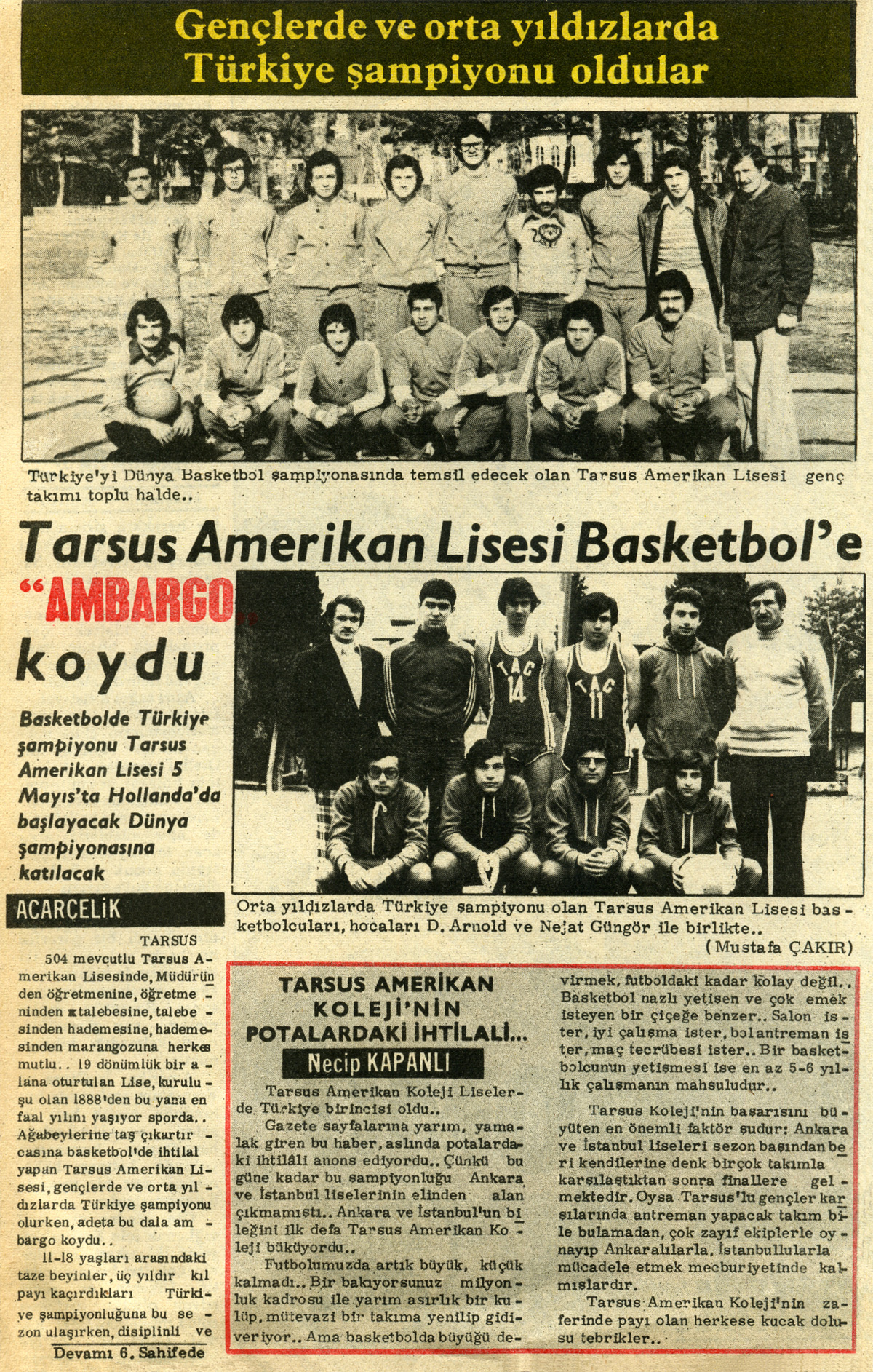
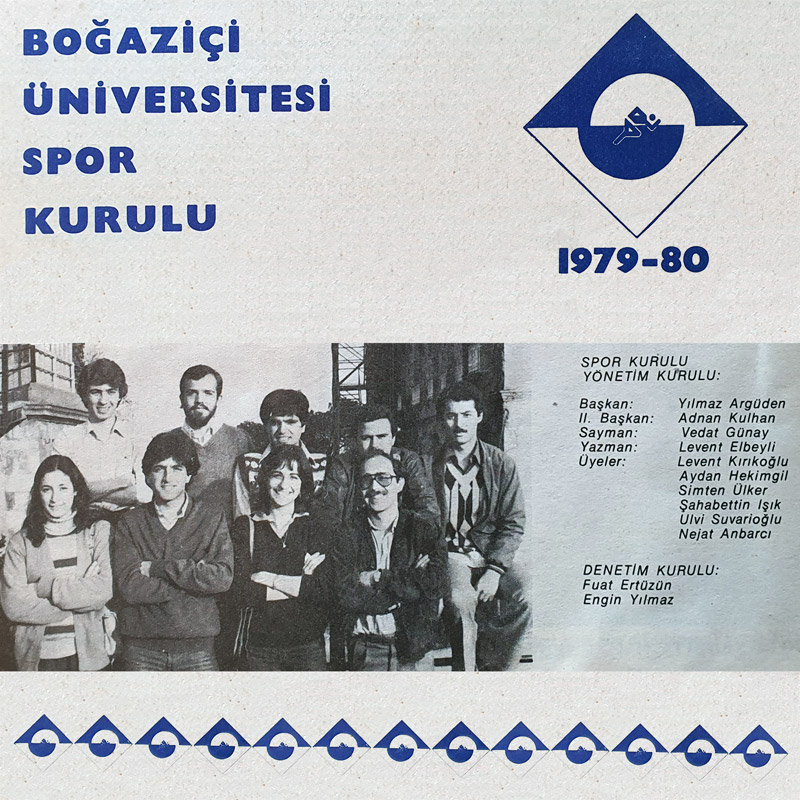
Chair of University Sports Club
International Sports Festival
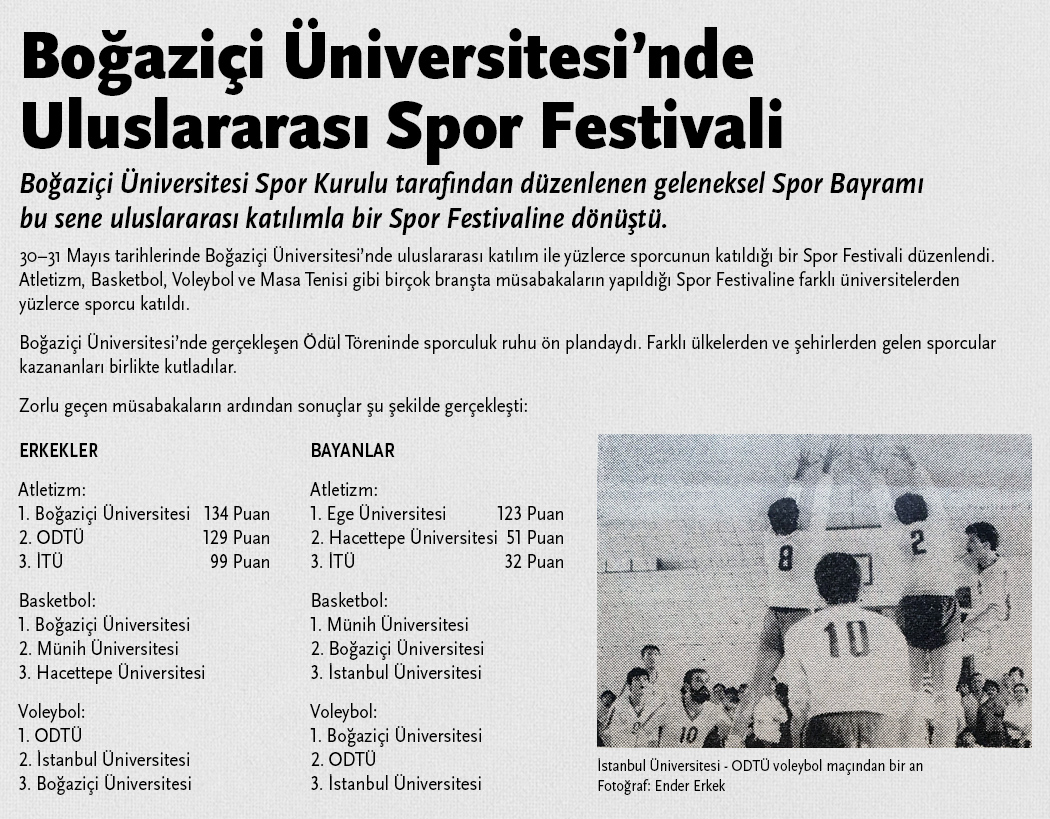

Among the Founders of
Basketball Players Association
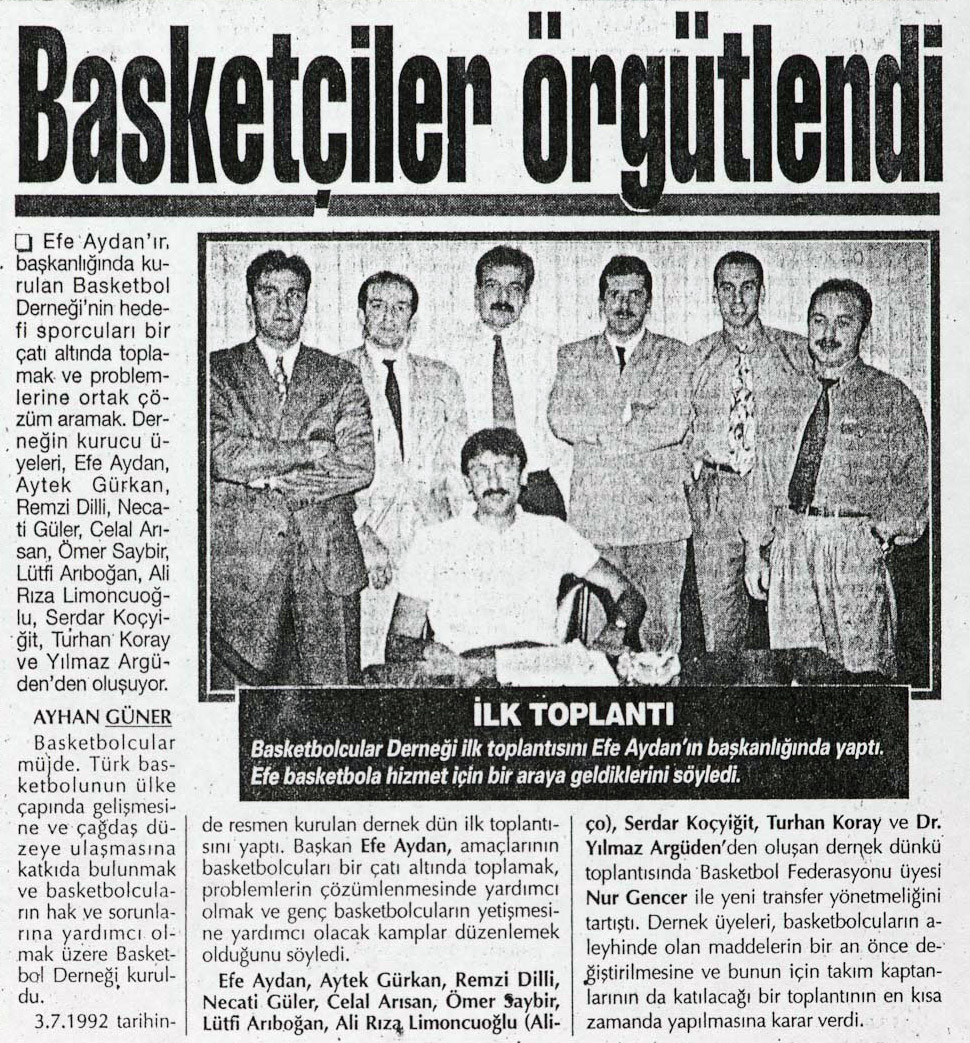
Türkiye Newspaper, July 29th, 1992

Turkish Basketball Federation
Vice Chairman

World Leaders are
Recommending This Book
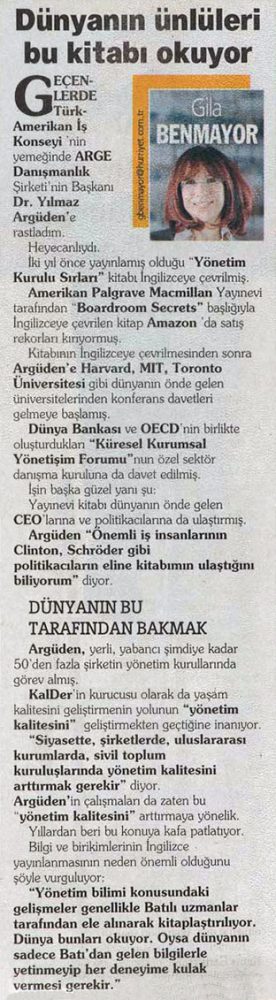
Gila Benmayor,
Hürriyet Economy Newspaper, December 1st, 2009

Global Leaders look up to
Turkish Strategist
In his new book ‘Key to Governance,’ strategist Yılmaz Argüden sheds important insights on how to improve global institutions like the United Nations or the European Union to become more effective global players.
Turkish strategist and businessman Yılmaz Argüden, who serves as a board member for leading local and international firms, continues to inspire world leaders with his new book, “Keys to Governance.”
Argüden writes for world-class publications, including leading business journals such as Insead Knowledge and the Harvard Business Review blog. His books are published by the prestigious publishing house Palgrave MacMillan and followed by world leaders in government, business world, nongovernment organizations, as well as academia. Dean Emeritus of Harvard Business School, John McArthur called him “…a well known and widely respected modern day renaissance thinker and leader.” The chief advisor of President Clinton in his re-inventing the government initiative, Bob Stone says he is “… out front of the rest of us, and that’s the right place for a thought leader.” A leading Turkish industrialist, Bülent Eczacıbaşı’s remarks for one of his books reads: “You have achieved a ‘management guru’ status, and I congratulate you for sharing your deep experience with your books and articles.”
Argüden told the Hürriyet Daily News about his journey from professional businessman to a globally renowned author of business books on governance.
“The essence of good governance is ensuring trustworthy relations between the institution and its stakeholders,” Argüden, chairman of Istanbul-based ARGE Consulting, said in his previous book which aroused the interest of world leaders.
A few months after the publication of “Boardroom Secrets” in 2009, the book was ranked by London-based periodical Professional Manager as one of the best books written on corporate governance.
“The unfolding financial and economic crisis has fundamentally been due to a wideranging failure of corporate governance. Argüden’s book, focusing on governance as a culture and a climate based on insights coming from long experience, will be invaluable to all who must try to rebuild the world economy on more solid foundations,” Kemal Derviş, director of the Global Economy and Development Program at the Brookings Institution, said in his review of the book.
In “Keys to Governance: Strategic Leadership for Quality of Life,” published in December 2011, Argüden gives hints on how to improve the governance of global institutions like the United Nations, North Atlantic Treaty Organization, and European Union to be more effective global players. He also elaborates on the role of nationstates, companies and NGOs while discussing improvements to the quality of governance and democracy.
“Good governance is the key to the sustainability of our organizations and success of humanity in improving the quality of life for all global citizens,” said Argüden, noting that governance was much more than a set of rules or regulations. “Governance is a culture and climate of consistency, responsibility, accountability, fairness, transparency and effectiveness that is deployed throughout an institution.”
Leaders praise his works
World-renowned figures have expressed admiration for his works. “Argüden outlines the keys to good governance and sustainable development …. and what this means for the actors in the world, for the political and economic elites,” former German Chancellor Gerhard Schröder said in his review of the book. “The book provides new insights into how the global community can be a better place economically, socially, politically, and culturally,” said Nobel Laureate Mohammad Yunus. “It is must read for all,” said Muhtar Kent, chairman and chief executive of The Coca Cola Company. “In his book, Argüden provides holistic solutions to complex issues.”
Argüden is a leading strategist, adviser and board member of major public and private institutions and NGOs. In addition to his role as chairman of ARGE Consulting, Argüden is also the chairman of Rothschild investment bank in Turkey.
Gökhan Kurtaran
Hürriyet Daily News, March 12th, 2012
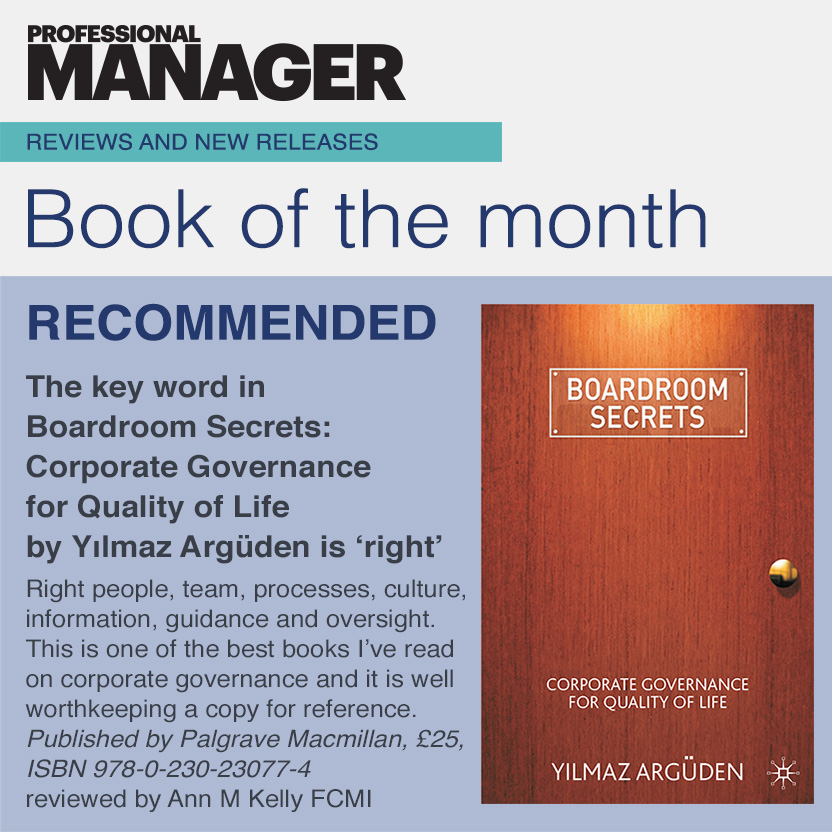
Boardroom Secrets
Book of the Month

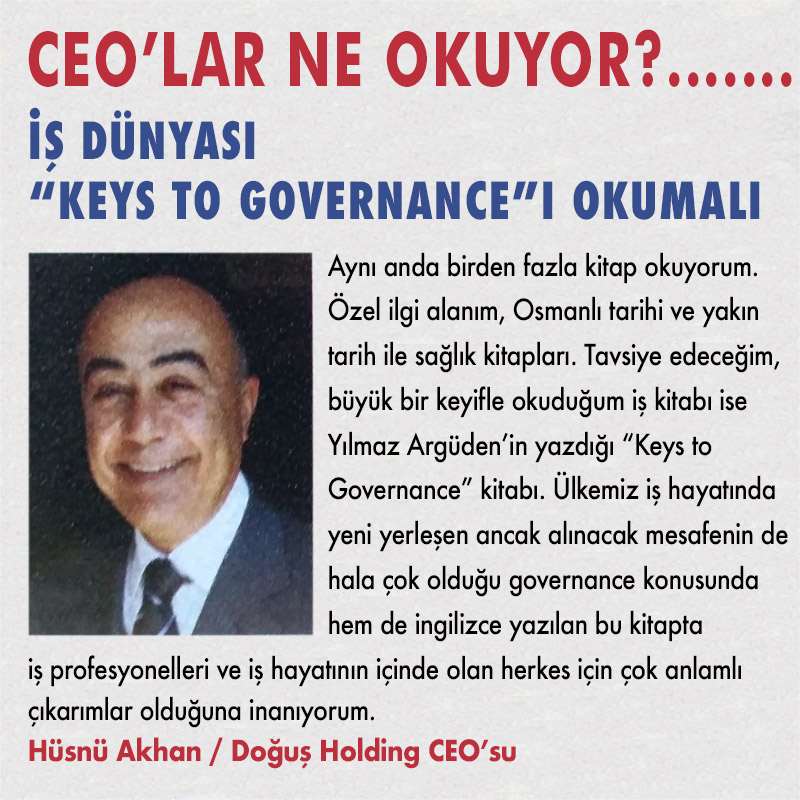
Business Leaders Follow
Keys to Governance
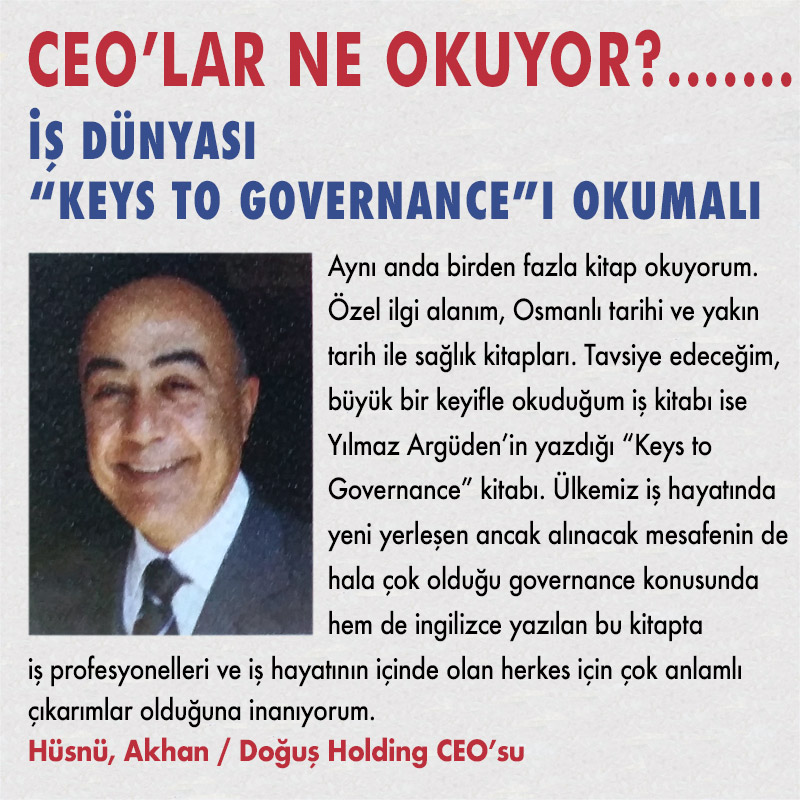
The Essence of Strategy
is Choice
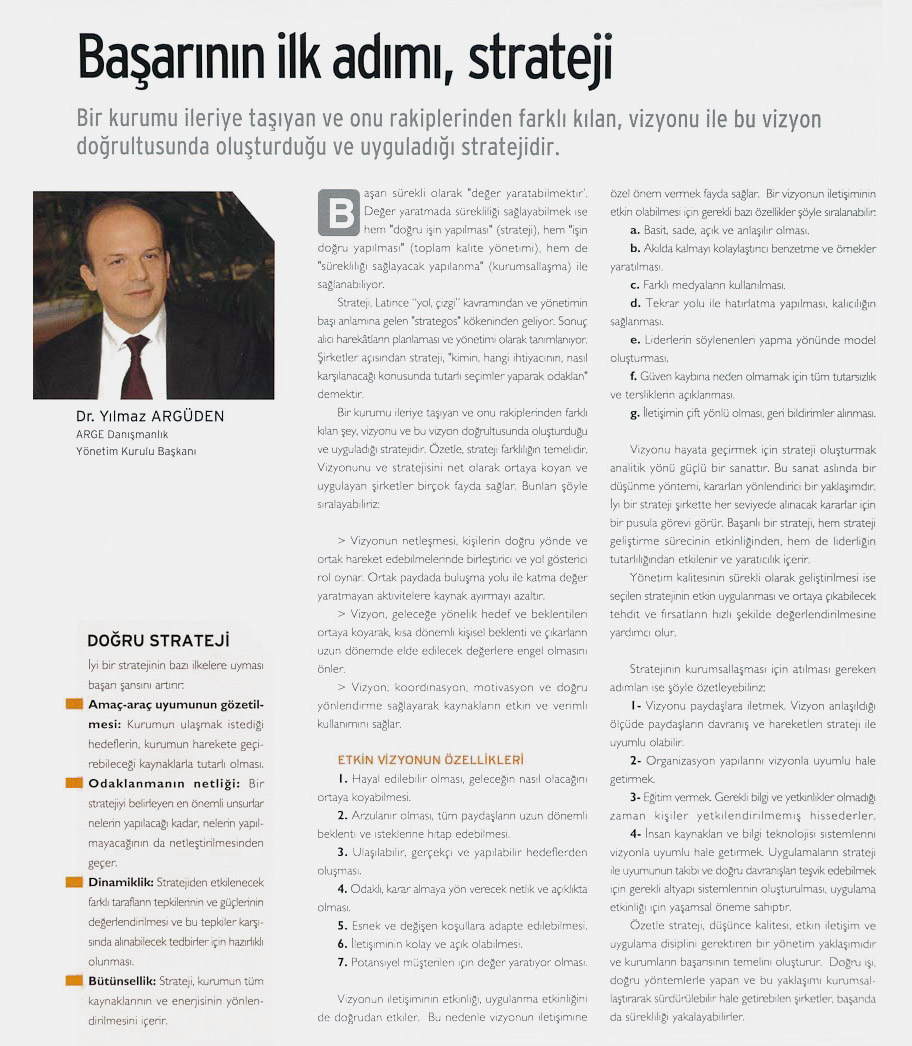

Milliyet HR Newspaper
Quality is
Exceeding Expectations
Responsible Leadership is key
for Good Governance
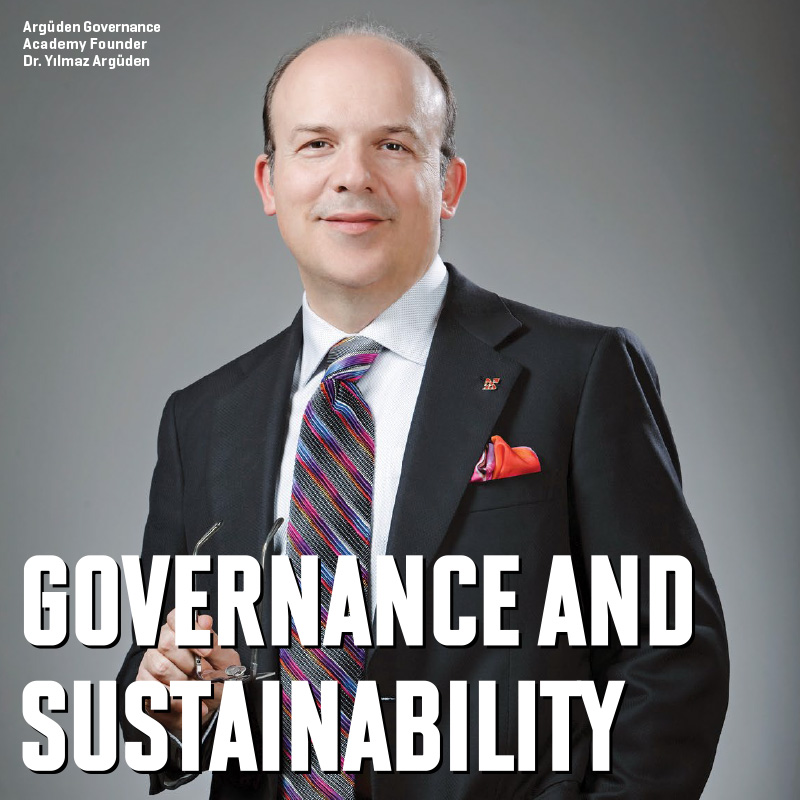
Trust is the Foundation of
Sustainable Development

Distinguished Citizenship
Award
Dr. Yılmaz Argüden, Chairman of ARGE Consulting and Rothschild-Turkey, received The Distinguished Citizenship Award from Gen. Brent Scowcroft, Chairman of ATC (American-Turkish Council) and Ferit Şahenk, Chairman of TAIK (Turkish-US Business Council) for his innovative leadership in promoting Turkey in North America.
Previous recepients of the Award include Richard B. Cheney, Alexander M. Haig, Dr. Zbigniew Brzeziskinky, Richard Holbrooke, as well as the Founder of Atlantic Records Ahmet Ertegün, Chairman of the leading Turkish conglomerate Mustafa V. Koç, Chairman of Turkish Chambers of Commerce and Industry Rıfat Hisarcıklıoğlu, and NATO’s Civilian Representative in Afghanistan Hikmet Çetin.
Dr. Argüden had assumed various leadership positions at the leading NGO promoting Turkish-American relations before assuming the Chairmanship of TAIK between 2005-6. This award recognized his tremendous volunteer efforts to promote Turkey over period of about two decades. The citation reads “In tribute to a successful career and extraordinary achievements, as public servant, entrepreneur and businessman, and for his innovative leadership of the Turkish-US Business Council, where he made his voice one of insight and reason and his promotion of Turkey throughout North America a model of outstanding leadership.” and is signed by Brent Scowcroft, Ferit Şahenk, and Amb. James H. Holmes.
During the ceremony, Dr. Argüden said “It is an honor for me to have had the opportunity to contribute to the relations between two great countries that share the common values of democracy and freedoms in social, economic and political spheres. The strength of the relationship between Turkey and the USA is important not only for their own citizens, but also for a sustainable peace in the Middle East, for economic independence of Central Asian countires and for the economic dynamism of Europe.”
Dr. Yılmaz Argüden is a leading strategist, advisor, and board member of major public and private institutions, and NGOs. He is the Chairman of ARGE Consulting, a leading management consulting firm in Turkey. ARGE has been recognized at the European Parliament as one of the best three companies “shaping the future” with its commitment to corporate social responsibility and is the first Turkish signatory of the Global Compact.
He is the Chairman of Rothschild investment bank in Turkey; an independent board member of numerous companies in Turkey, Canada, Netherlands and Russia, as well as many NGOs. He is also an Adjunct Professor of Business Strategy at the Bosphorus University and the MBA program of the Koç University; an author of numerous books and a columnist focusing on business and strategy issues. He was selected as a Global Leader for Tomorrow, by the World Economic Forum for his commitment to improve the state of the world.
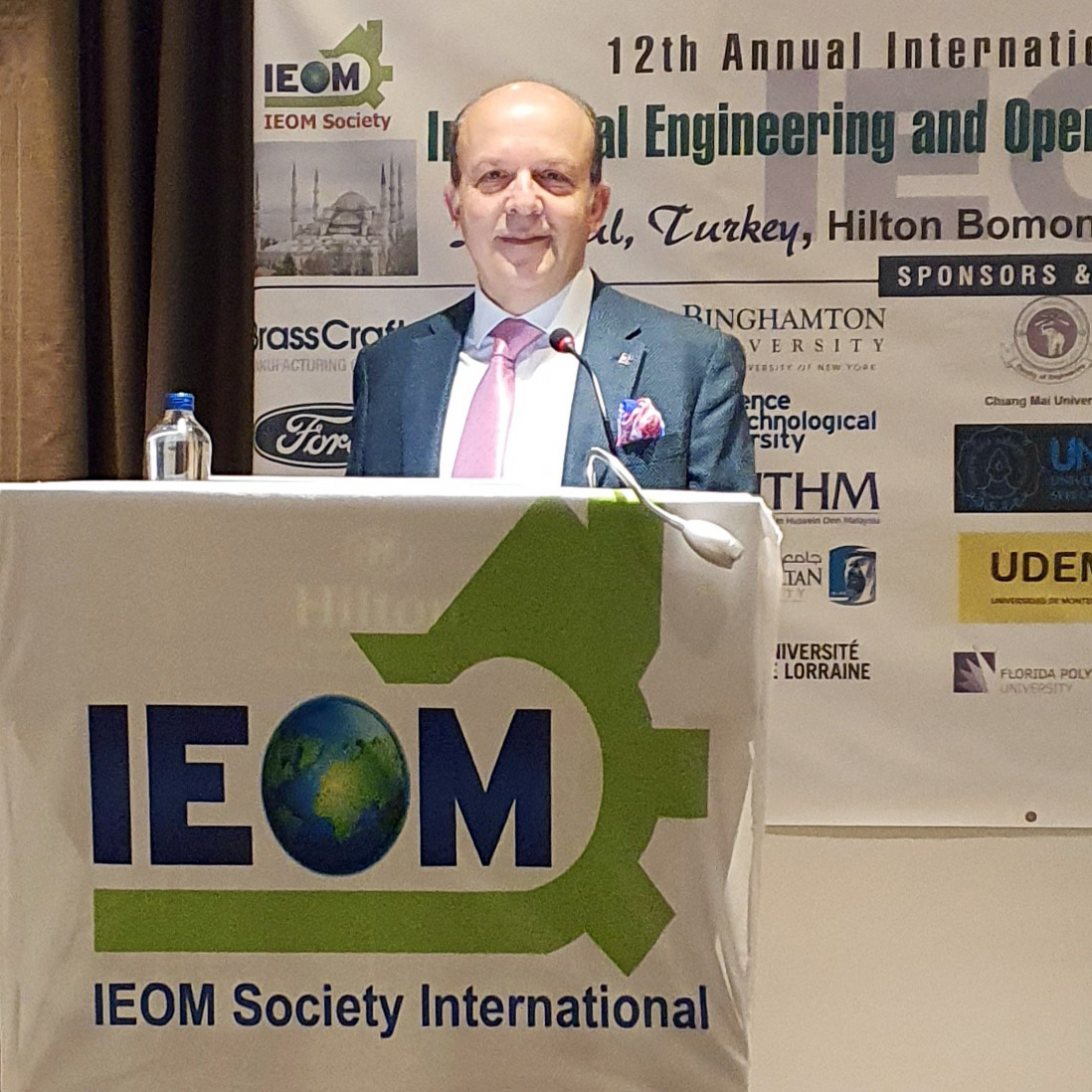
Distinguished Leadership
Award
Dr. Yılmaz Argüden, Founder and Chairman of ARGE Consulting, was recognized with the Distinguished Industry Leadership Award by the International Industrial Engineering Society.
Industrial Engineering & Operations Management Society International (IEOM) gave Dr. Yılmaz Argüden, “The Distinguished Industry Leadership Award”.
Dr. Argüden received the award at a ceremony on March 10, 2022, organized at the Gala Dinner of Society’s 2022 Conference.
At the Awards Ceremony IEOM President Prof. Dr. Hamid Parsaei said that “This year’s conference has attracted over 1100 participants from over 60 countries and made significant scientific contributions to the development of industrial engineering profession.” He also thanked the Chair of the Award Jury Emeritus Prof. Dr. Abu Masud’a and congratulated the Frederick Taylor Award winner Dr. Adedeji Badiru.
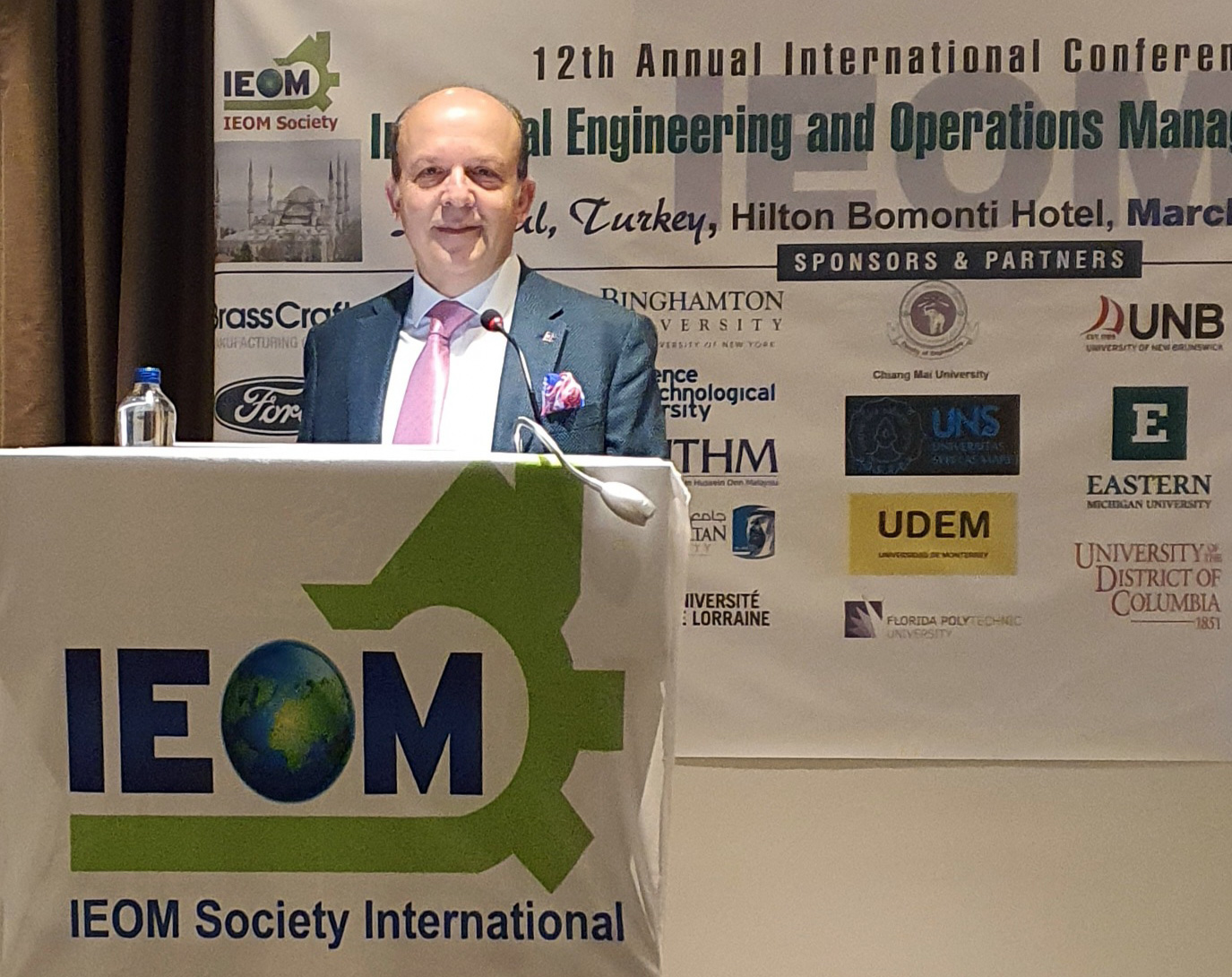
Speaking at the ceremony, Dr. Argüden pointed out that the “industrial engineering improves the quality of life and helps improve productivity through continuous improvements in all sectors and in future business areas like artificial intelligence” and said that “he was honored to receive this global professional award, as a person who started his career in industrial engineering in 1977, while he was still studying at Boğaziçi University.”
Based in Michigan State of USA, International Industrial Engineering and Operations Management Society fosters critical thinking and its effective utilization in the field of Industrial Engineering and Operations Management globally by providing means to communicate and network among experts in the industry.
The Distinguished Industry Leadership Award is given to individuals who created a difference in the field of industrial engineering through their academic and professional leadership achievements and made unique contributions to the profession.
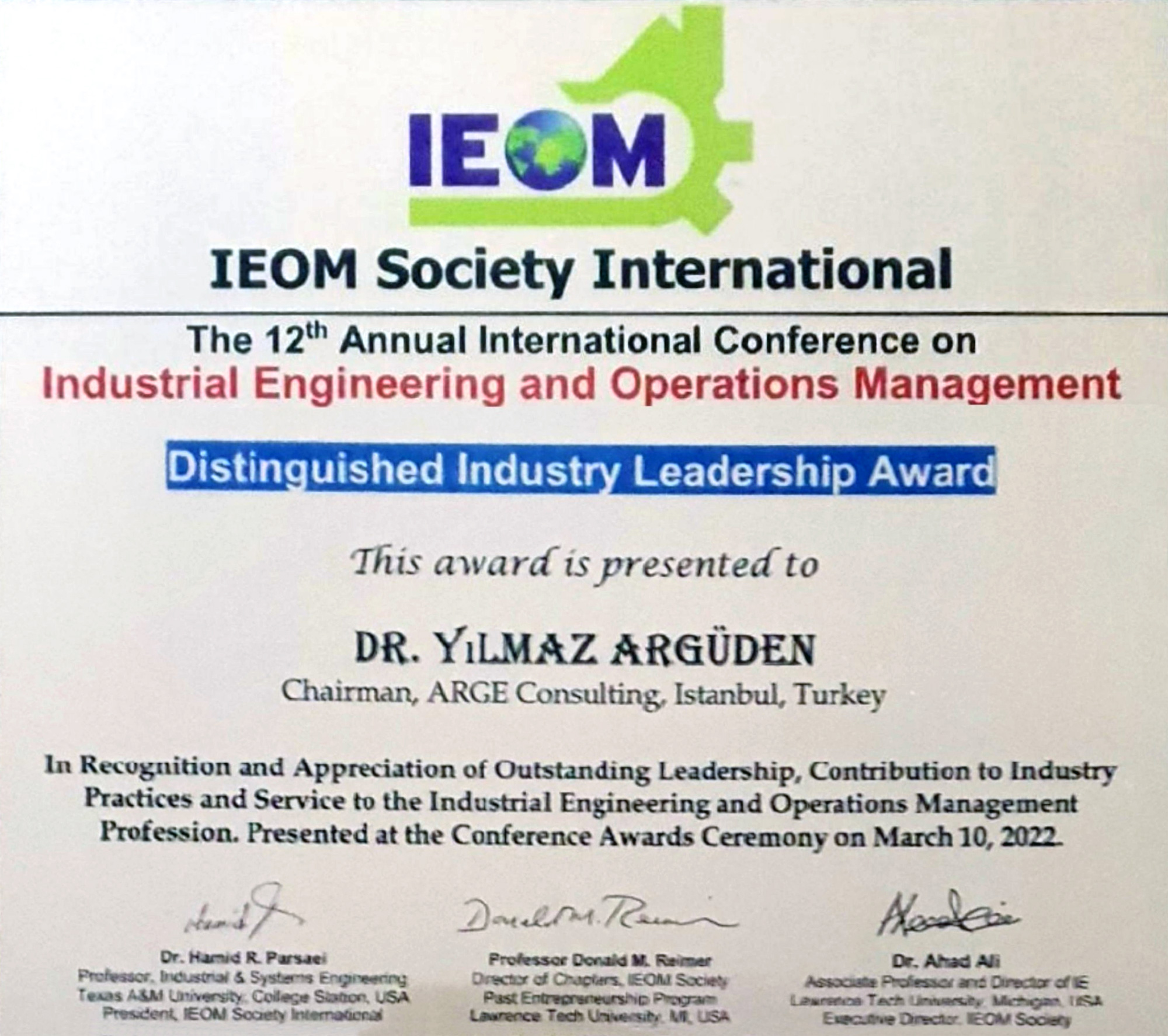
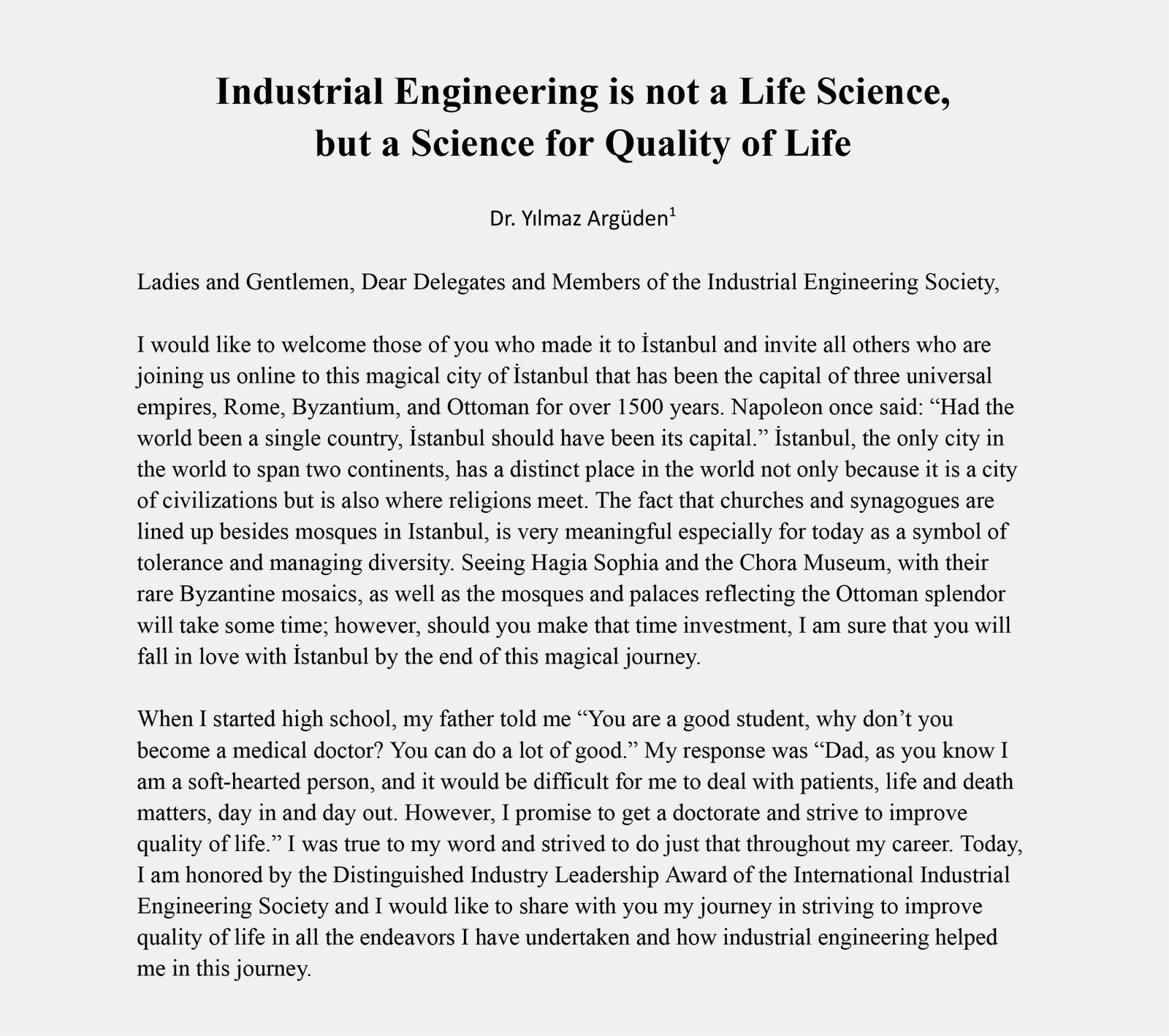
Dr. Argüden started his industrial engineering career at the R&D Center of the leading Turkish conglomerate, Koç Holding, in 1977 while he was still a student at the Boğaziçi University. He graduated from the Boğaziçi University in 1980, winning top Academic Achievement Award and continued his studies with a NATO scholarship at the RAND Graduate School where he has received his Ph.D. in policy analysis and strategy with General Distinction.
After working for the World Bank as a senior officer and serving as the Chief Economic Advisor to the Prime Minister, Dr. Argüden has founded ARGE Consulting in 1991, which has become a globally recognized Turkish management consulting firm with its innovative management strategies and its contributions to society.
Dr. Argüden is also the Chairman of Rothschild & Co. investment bank in Türkiye and served on the boards of more than 70 companies in different countries.
He is an author of numerous books and articles focusing on business strategy and governance issues. He has served as an adjunct professor of strategy at the Boğazici University, Koç University, and the Military Academy.
As a renowned governance expert, he serves as the Chairman of the Governance Committee of the Business at OECD, as a member of the IFC’s Corporate Governance Advisory Board, and as the Chairman of the Trustees of the Argüden Governance Academy.
March 11, 2022, Istanbul

Strategic Leadership
Award
“Wishing you continued success in leading organizations to challenging visions…”
Ferit Sahenk and Gen. Brent Scowcroft
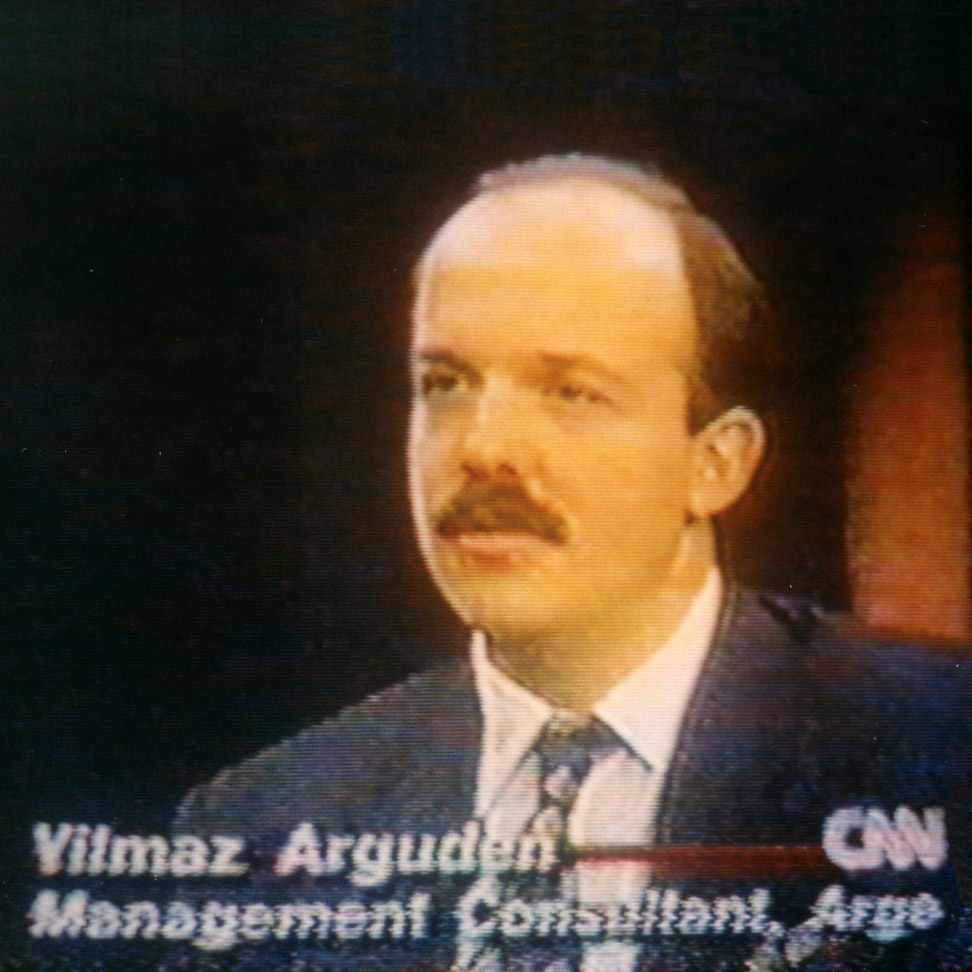
Leadership in Quality
Award
Dr. Argüden was invited as a keynote speaker to the general assembly of The Association on Employment Practices and Principles in San Francisco and received the Leadership in Quality Award in 2001.
The Association on Employment Practices and Principles (AEPP) is a professional organization dedicated to advancing ethical employment practices, human resources management, and organizational principles through education, research, and networking. It hosts annual meetings and conferences, often focusing on leadership, quality management, and best practices in responsible business.
The AEPP General Assembly meeting took place in San Francisco in 2001, where Dr. Yılmaz Argüden was awarded the Leadership in Quality Award for his contributions to governance, quality management, and ethical employment practices. This event highlighted themes of leadership and organizational excellence, aligning with AEPP’s focus on responsible employment principles.
Dr. Yılmaz Argüden, a prominent Turkish governance expert, author, and Chairman of the Turkish Quality Association (KalDer), was invited as a keynote speaker to the AEPP’s general assembly meeting held in San Francisco. During this event, he received the Leadership in Quality Award, recognizing his contributions to quality management, governance, and leadership in both public and private sectors.
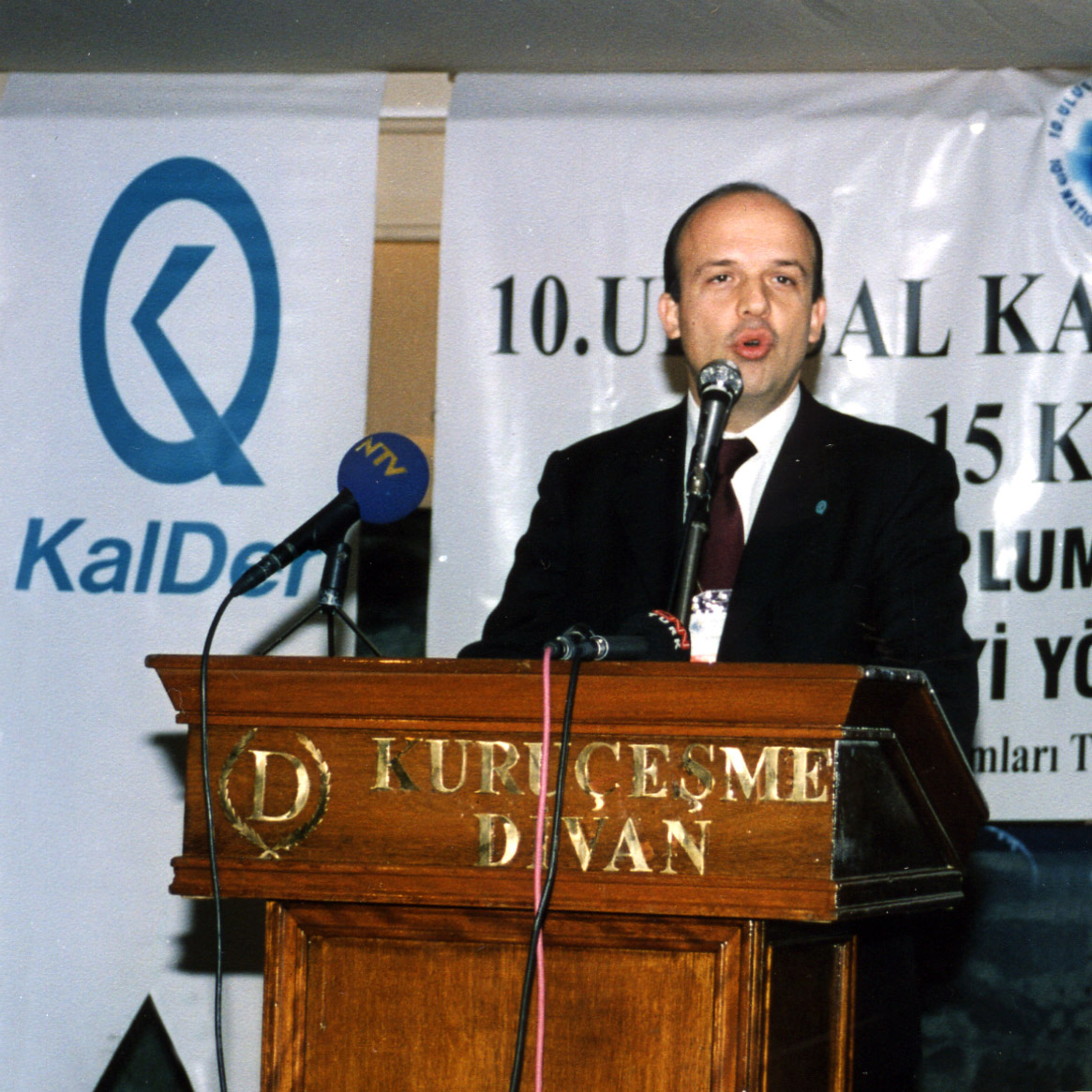
Visionary Leadership for
Bringing Quality
Someone has Undertaken the Challenge to Bring “Quality” to Our Lives
At times national leaders are very important. They motivate people, even when they do not get sufficient support they continue with their struggle, sometimes they fail, but generally they succeed…
Atatürk is such a leader. And his achievements are far beyond what many other leaders have accomplished.
Despite certain justified criticisms, Turgut Özal is also such a leader. One could perhaps come up with other examples. However, unquestionable leaders such as Atatürk are hard to come by.
People who try to bring “quality” to Türkiye may also be considered among such leaders. Among them, one in particular, named Yılmaz Argüden has been continually striving to bring quality to all aspects of life.
When he has started this mission, some have even suggested that this was a self satisfying endeavor. However, he has demonstrated persistence and and brought the concept of quality to the agenda in all dimensions of our lives.
Argüden and his colleagues have brought the subject of quality in public life, politics, and business world into the national agenda. Lately, this issue is turning into a national issue.
Particularly this year, the establishment of a new category for quality awards for the SMEs will extend the reach of this concept throughout the country.
It is imperative to support the “National Quality Movement” initiatied by Argüden and his colleagues, if we are to improve the quality of our future.

December 21, 1998
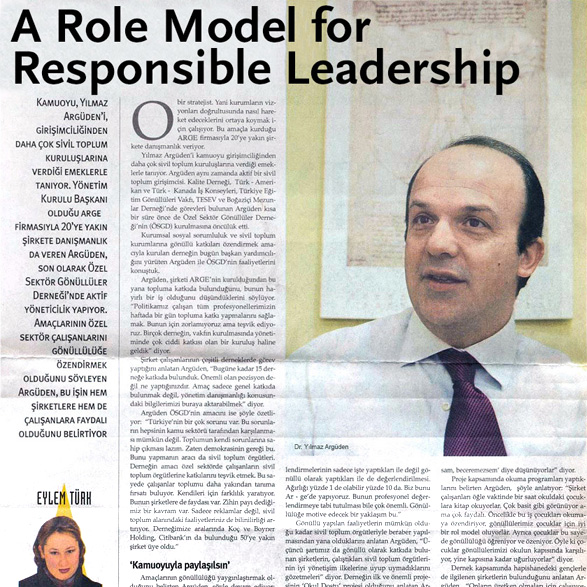
Pioneer for
Responsible Leadership
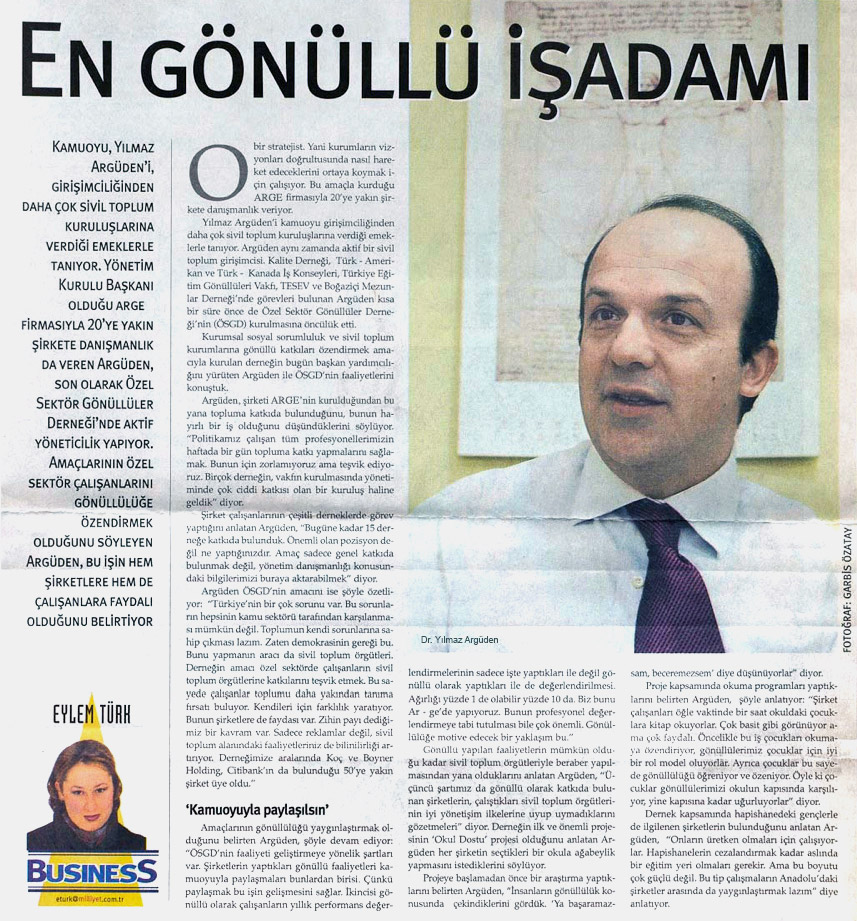
Milliyet Newspaper, February 6th, 2005